
BRAND STORIES ARE HOW COMPLEX IDEAS BECOME UNDERSTANDABLE, RELATABLE, AND MEANINGFUL
A tagline such as Harcourts Queenstown;
“Known, Trusted, Proven”
is in-fact their brand story in a tagline
Brand stories
Brand stories are how complex ideas are made understandable, relatable, and usable.
Much of BrandCom’s work involves translating things that are difficult to explain; complex organisations, large-scale projects, emerging technologies, or unfamiliar ideas, into brand stories people can grasp, trust, and act on.
That process is storytelling: shaping meaning so it can travel, be remembered, and be repeated accurately.
A strong brand story provides coherence. It becomes part of the organising structure of an organisation or venture, helping people align around what they are building and guiding decisions as the work unfolds.
At the same time, it brings simplicity, clarifying how something is positioned in the market and giving people language they can use with confidence.
The examples shown here span different moments in time and very different formats. They include long-form commercial narratives, photographic briefs, print-led storytelling, and more recently, live conversations and owned media. Some are strategic and complex. Others are cultural, human, and occasionally humorous.
What connects them is not the medium, but the underlying philosophy: storytelling used for strategic purpose, translating complexity into clarity, and ideas into something people can understand, relate to, and take forward.
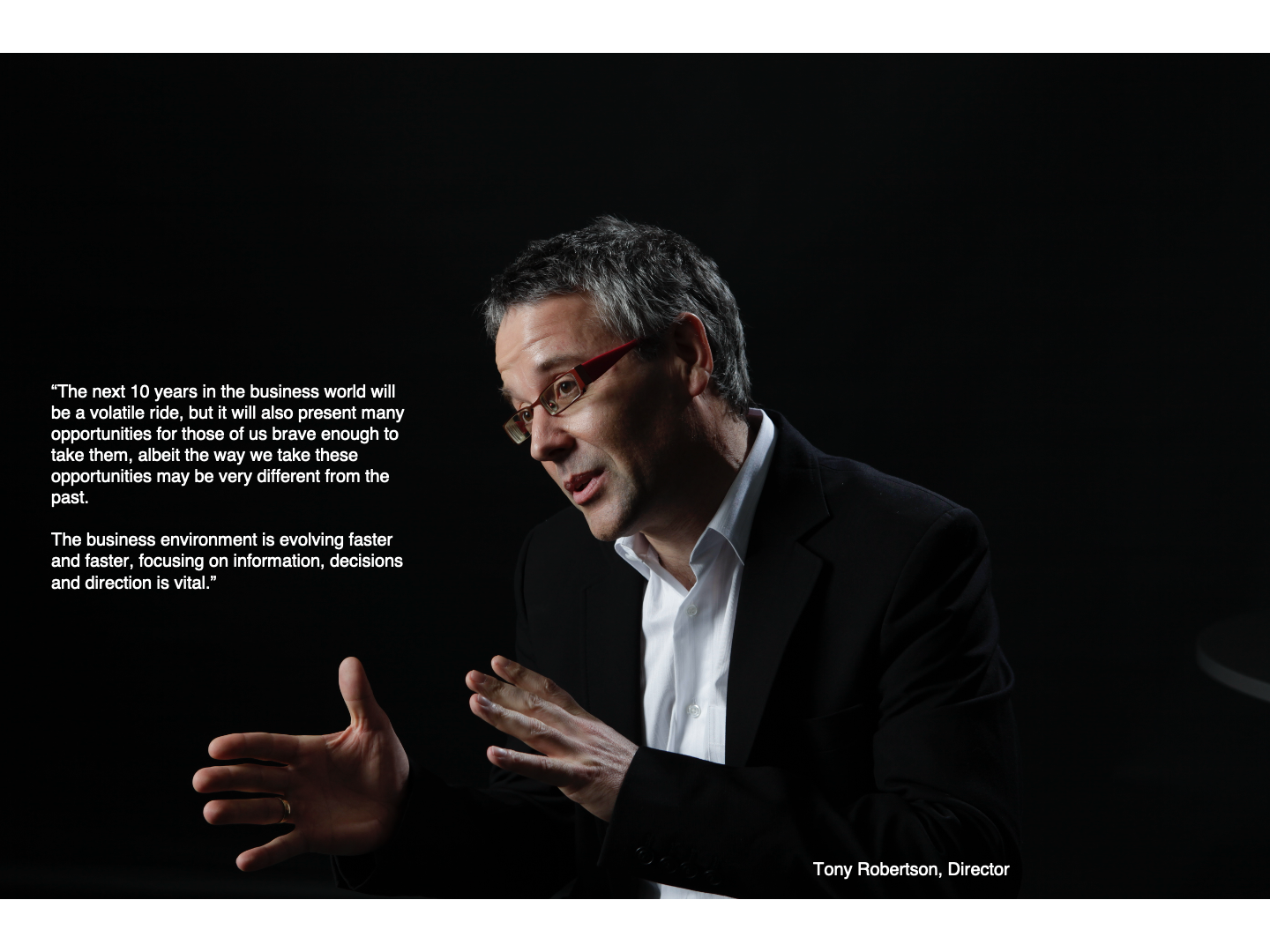
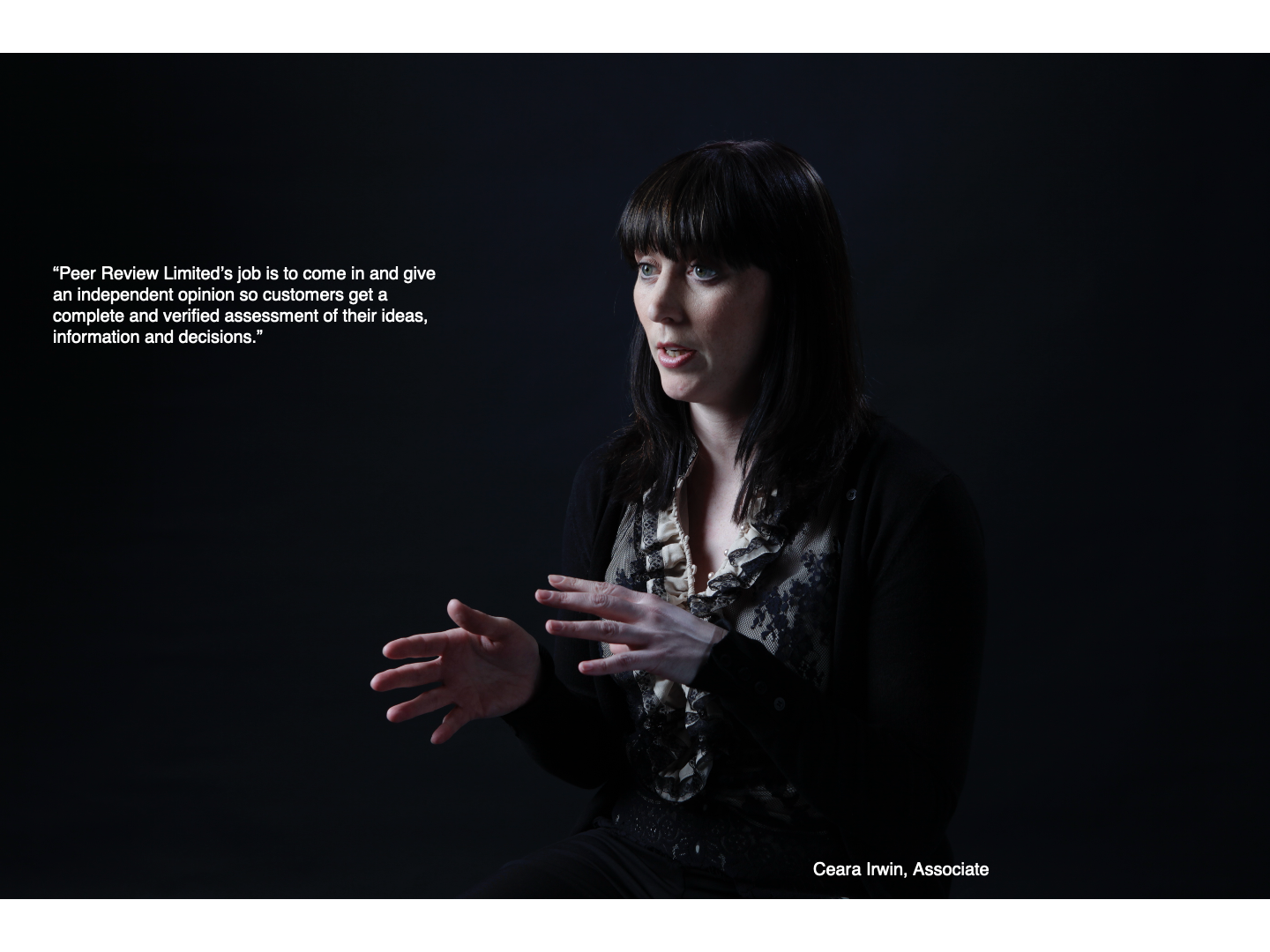
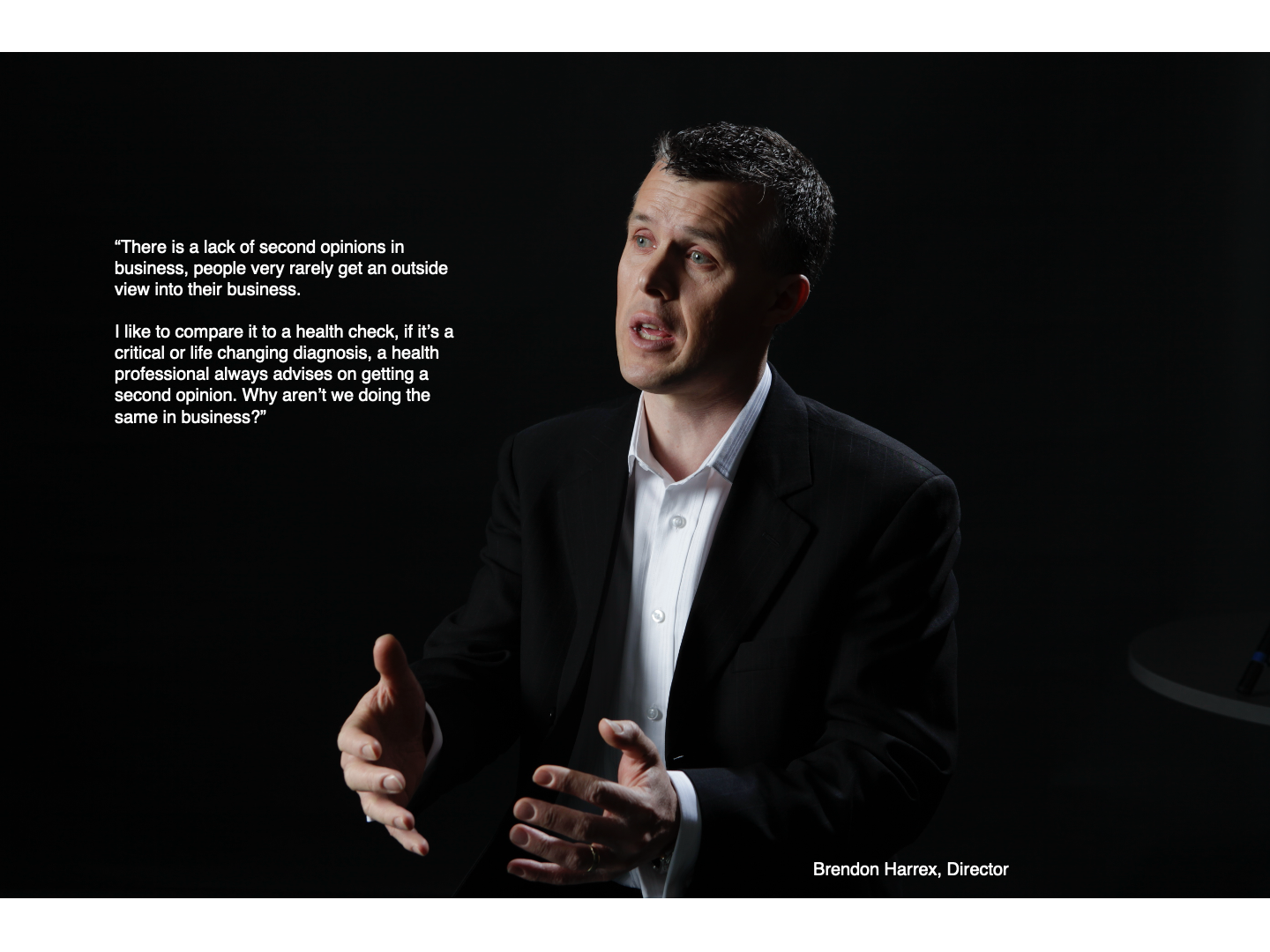
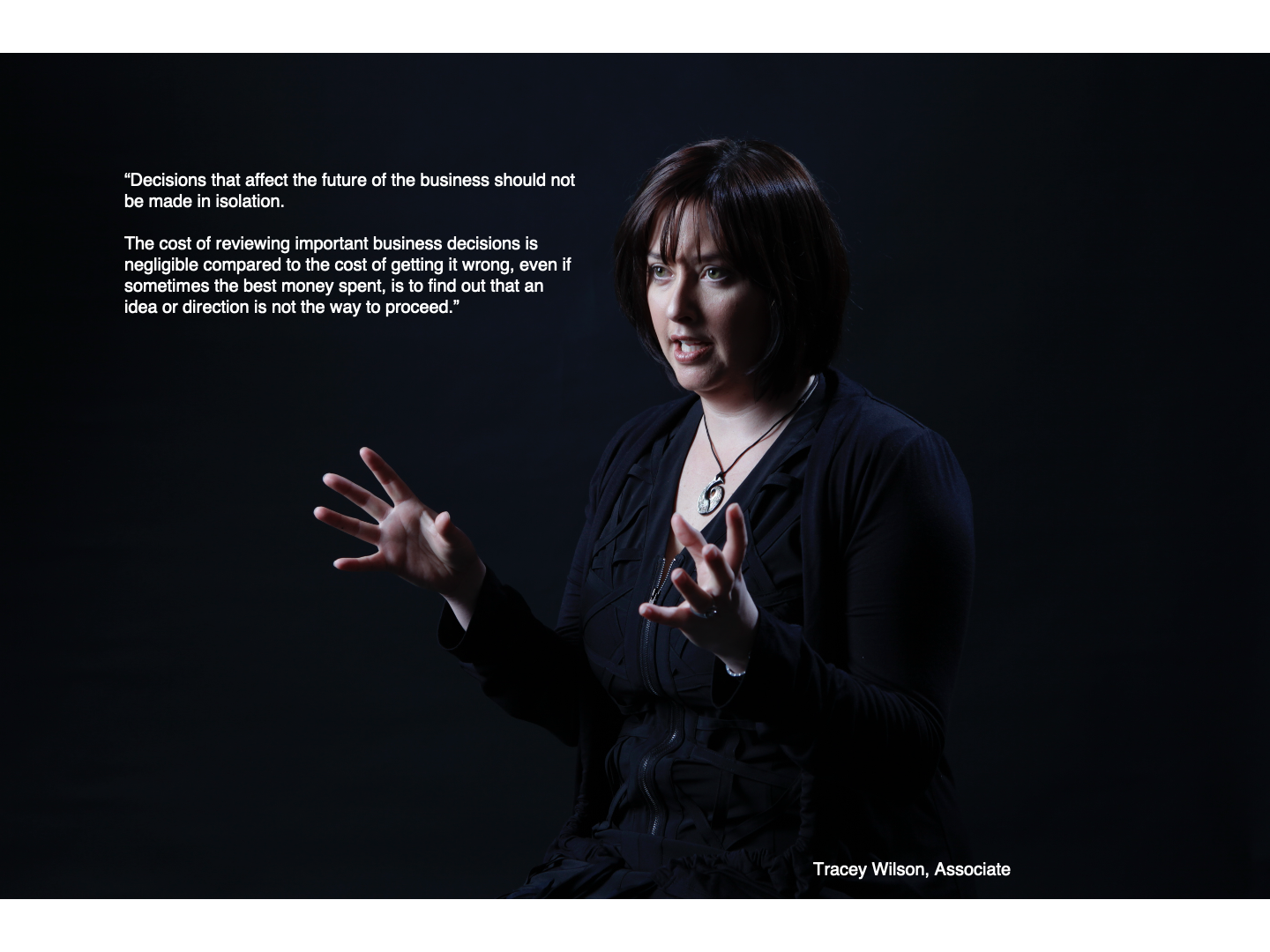
Peer Review - Business Launch Collateral
When the brand story is clear, everything else has a place
The starting point was not visual style or creative execution. It was the brand story itself, used as the strategic device around which everything else was organised.
The brief defined who Peer Review were, how they worked, and what mattered to them, and it set the direction for every decision that followed.
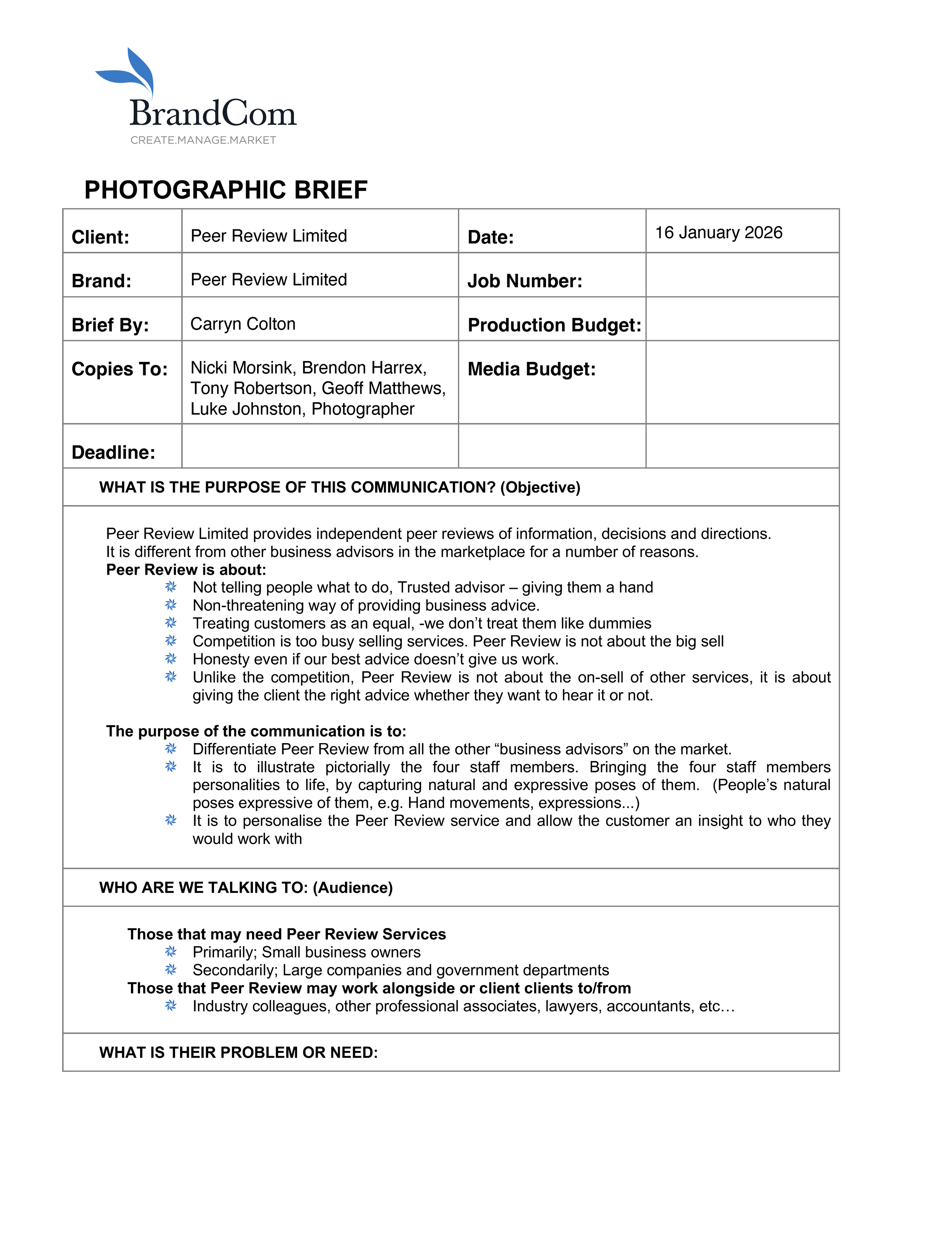
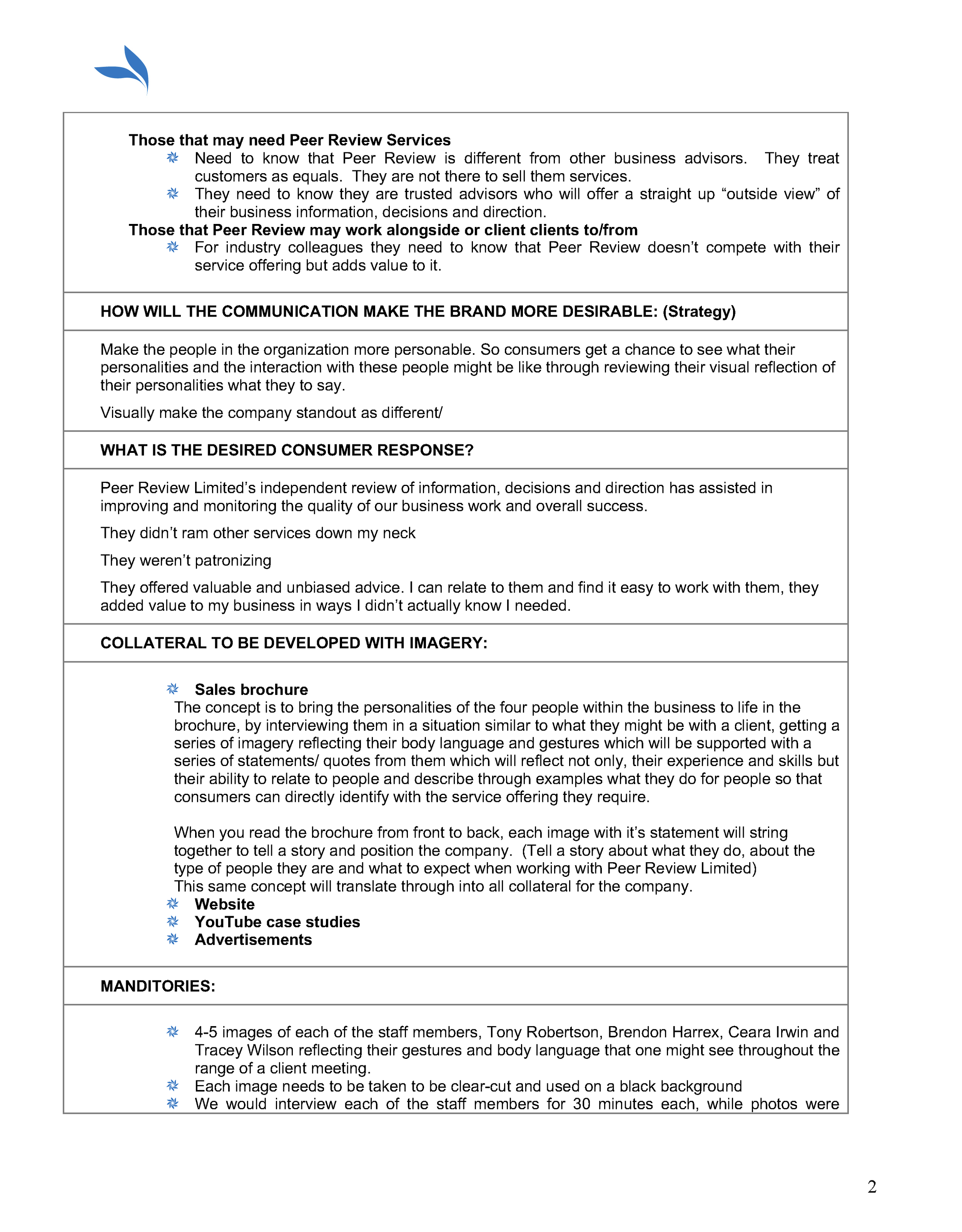
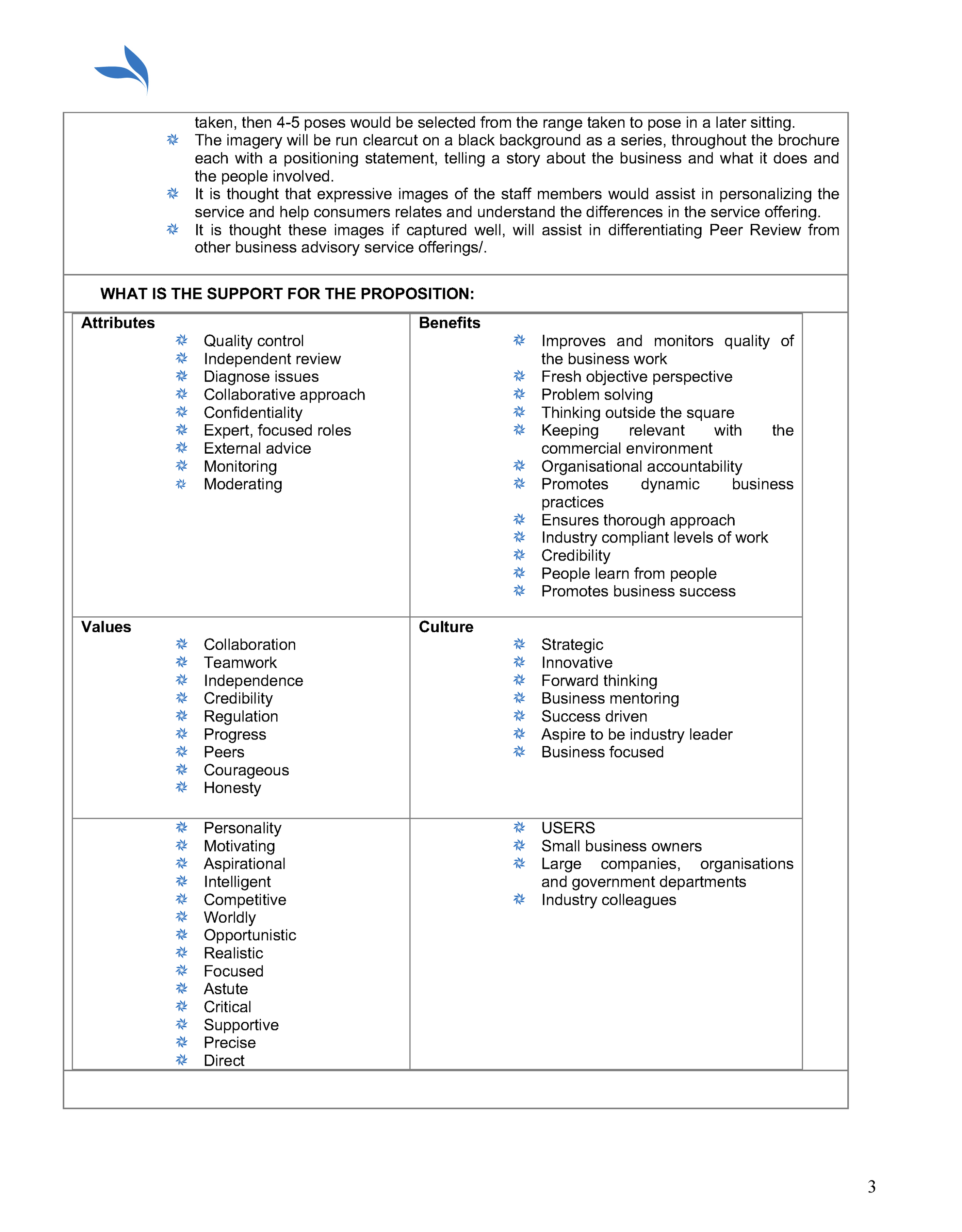
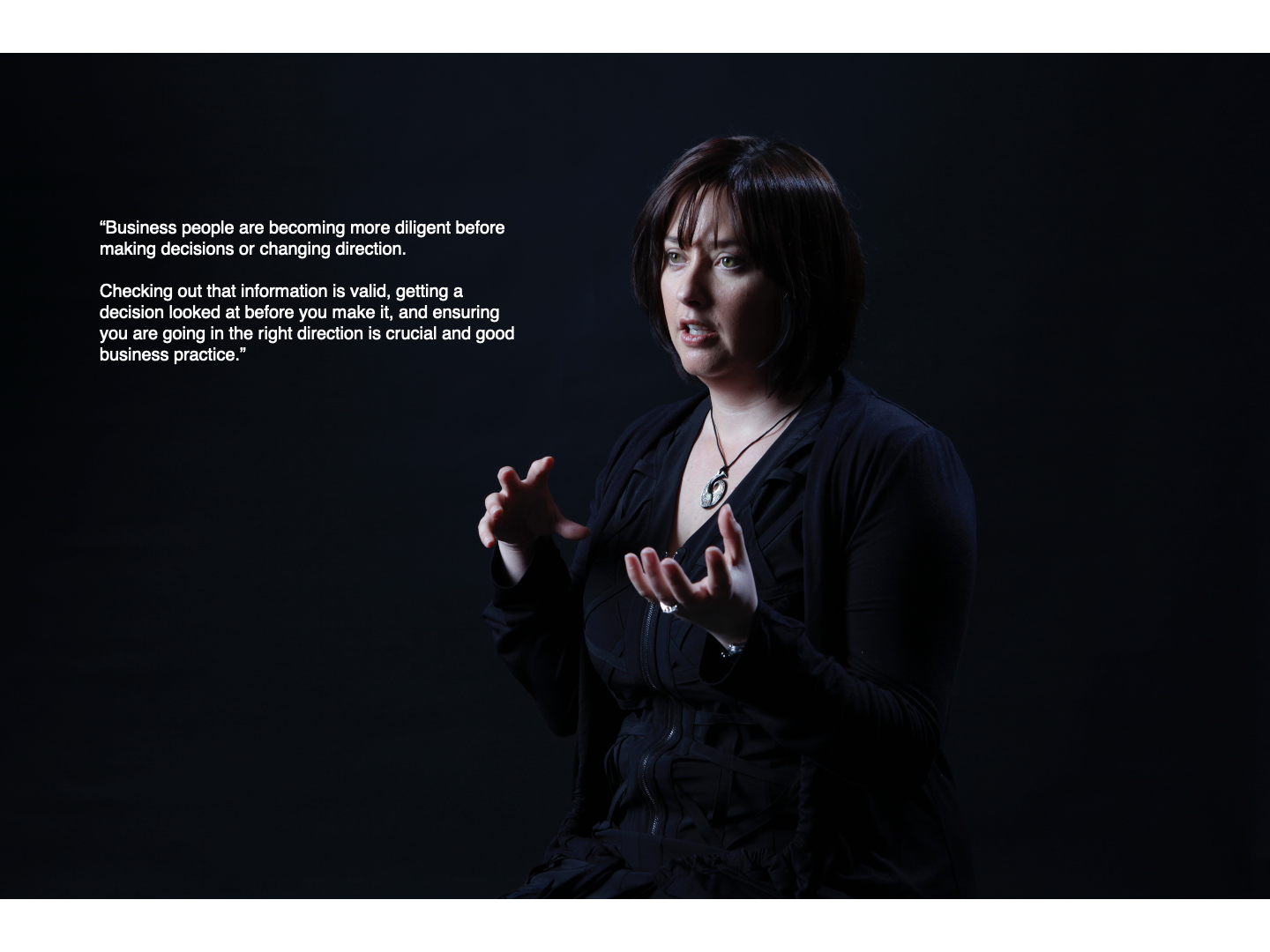
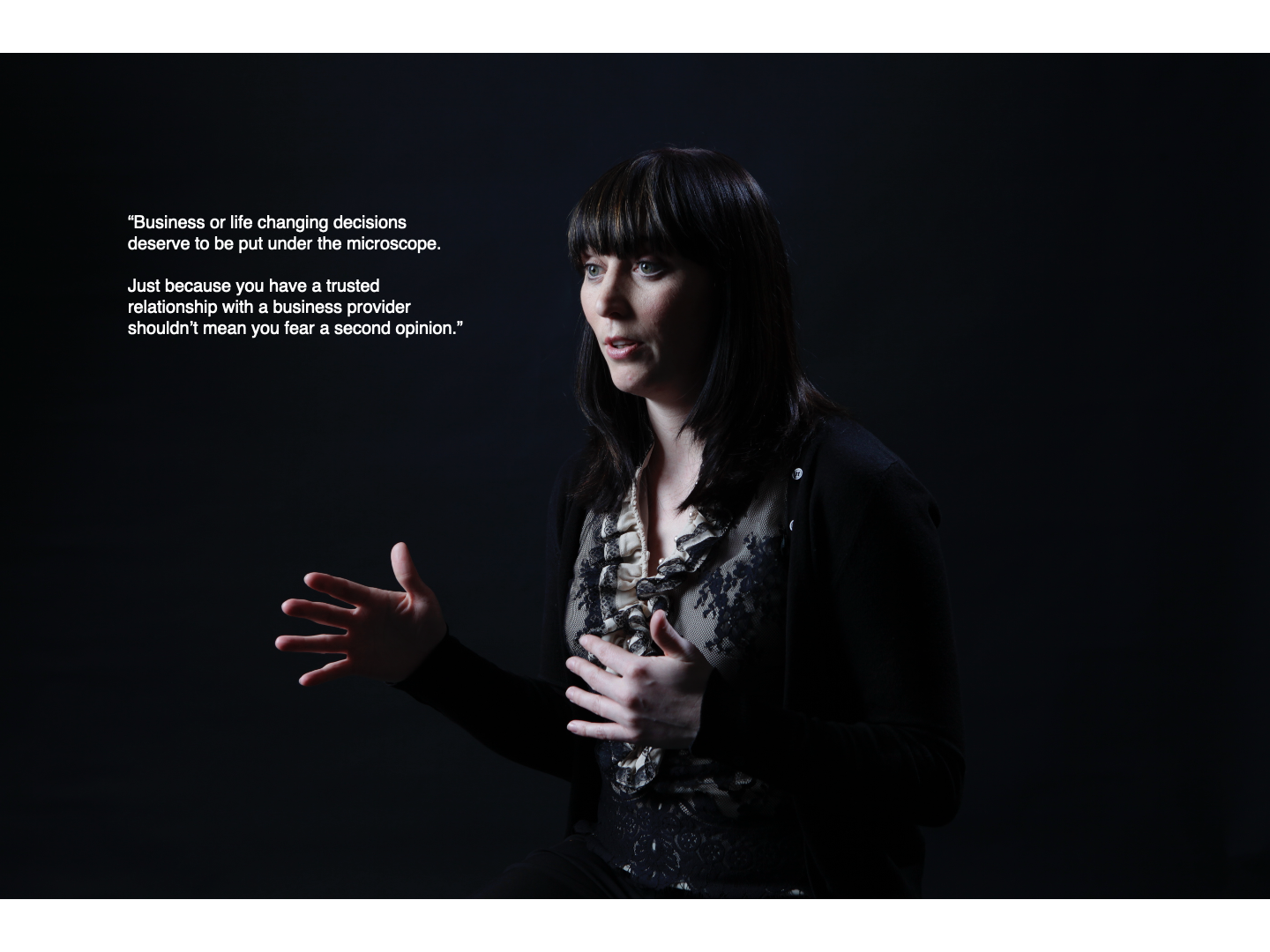
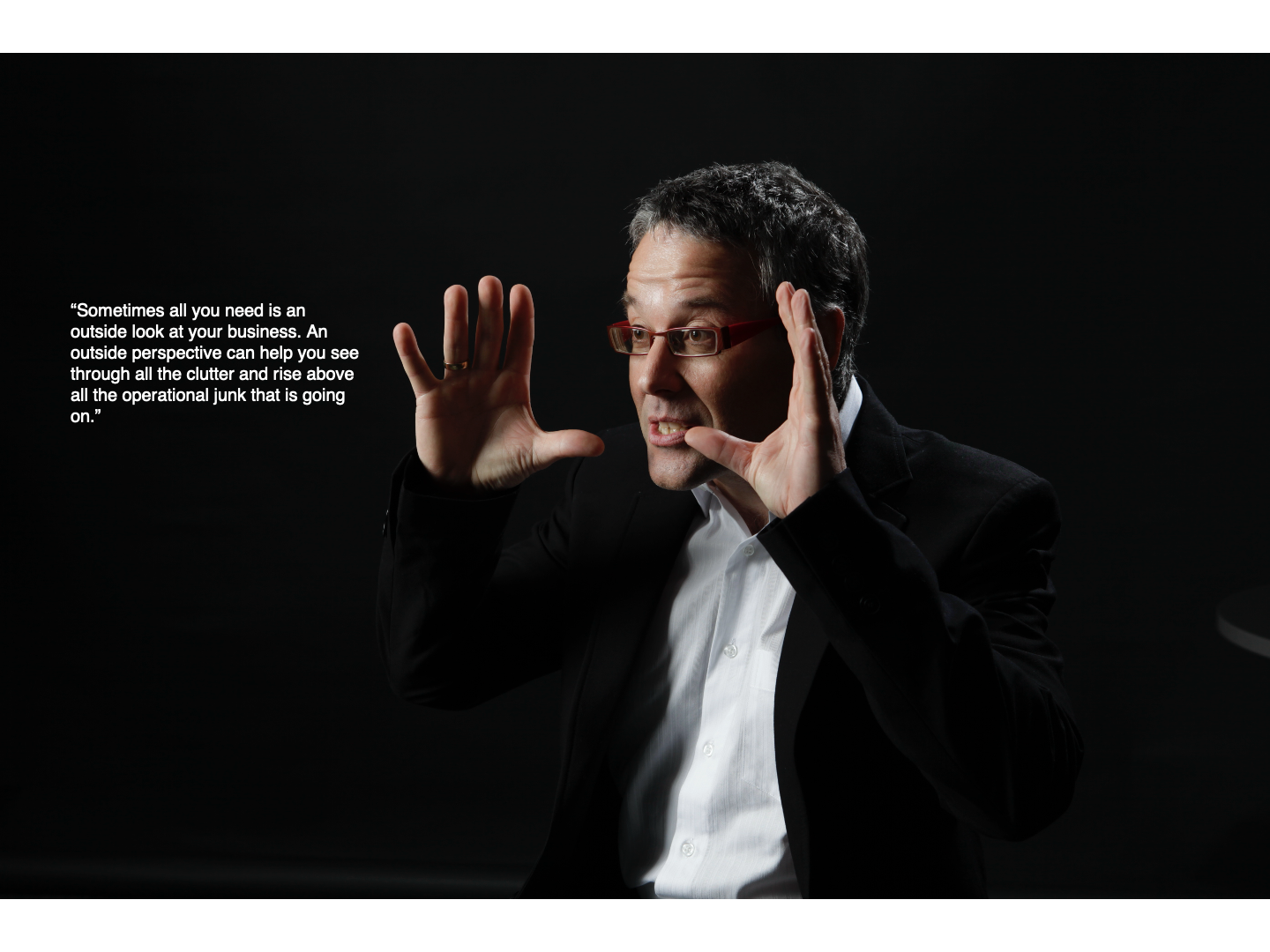
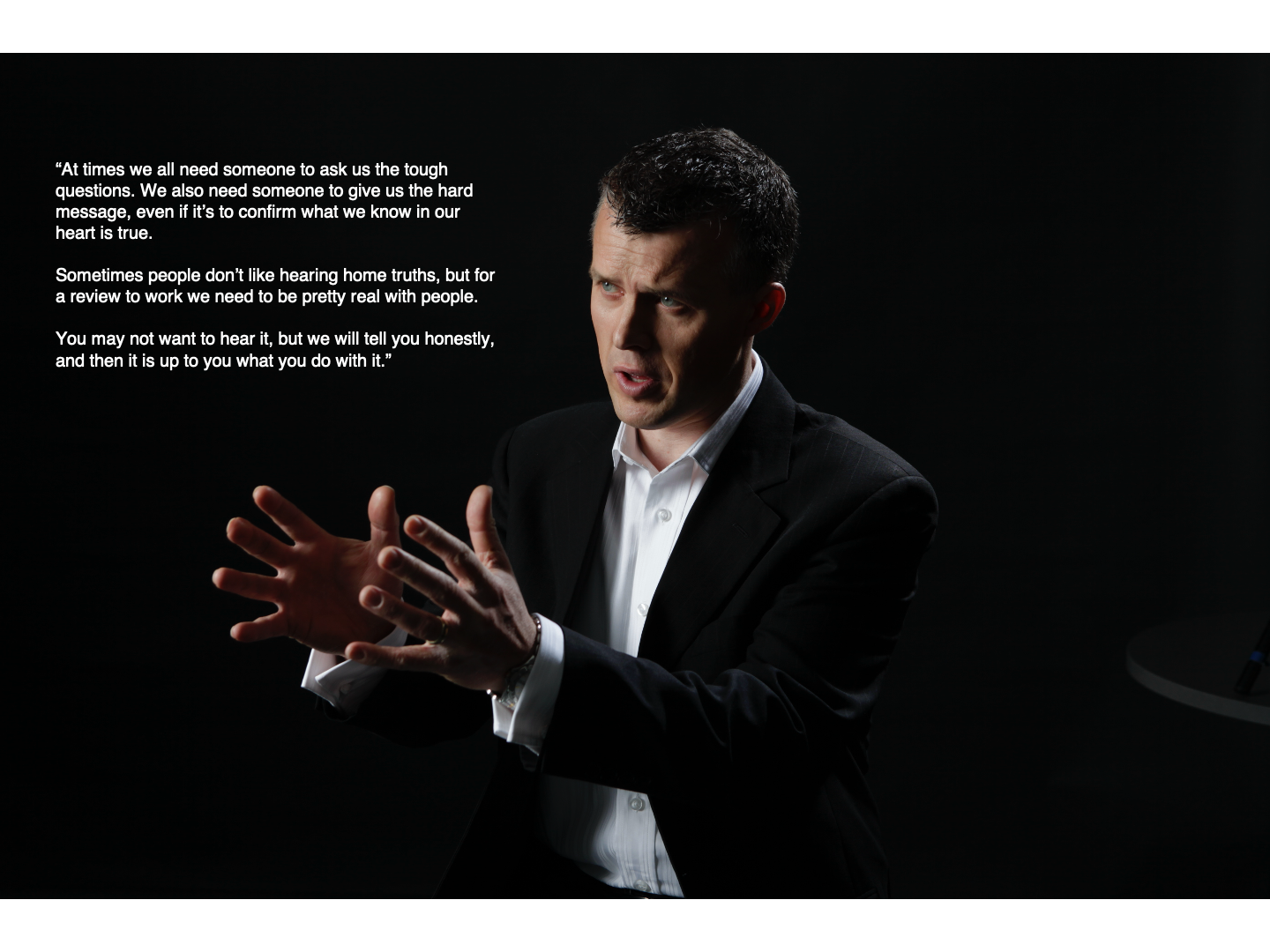
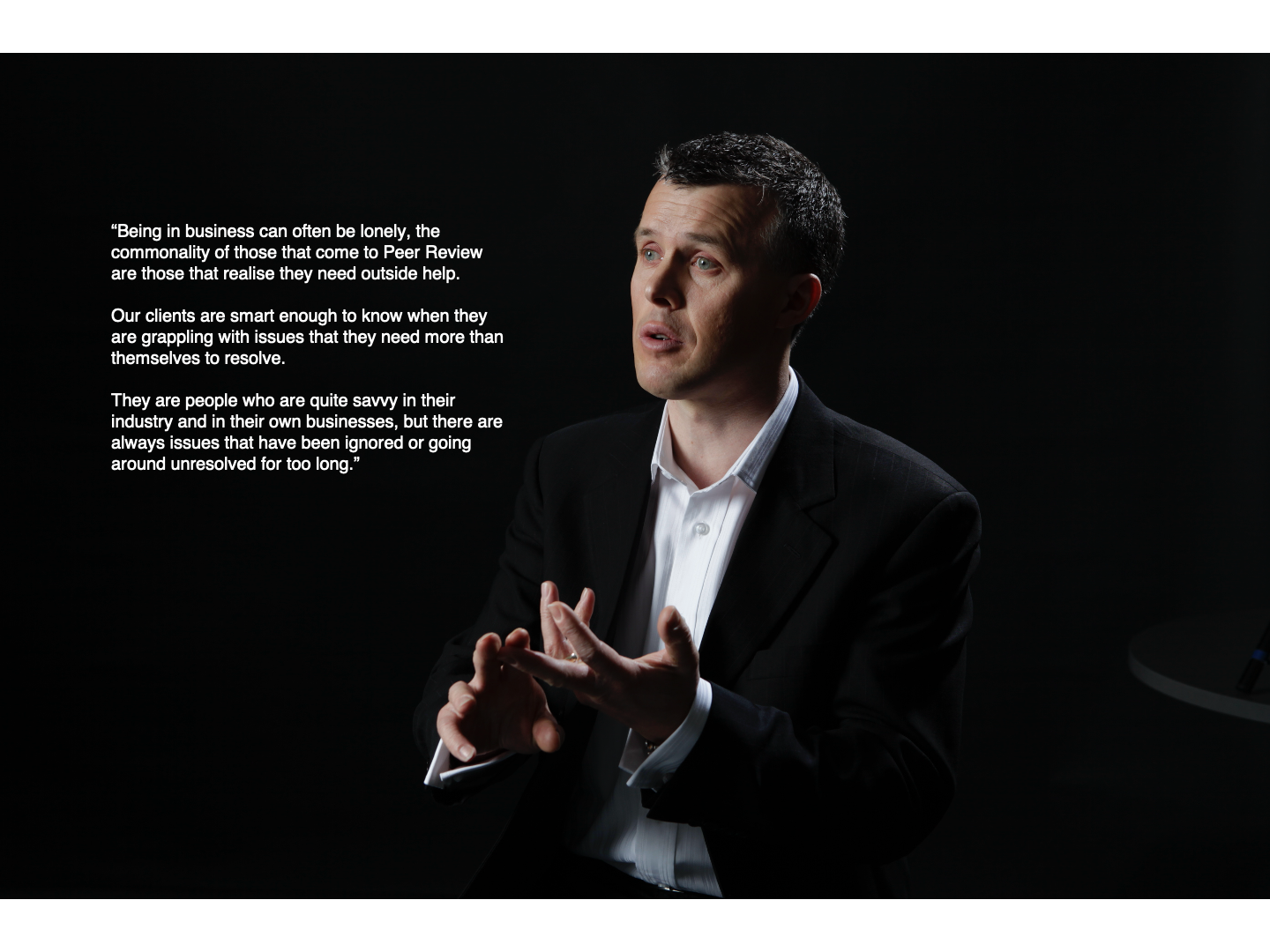
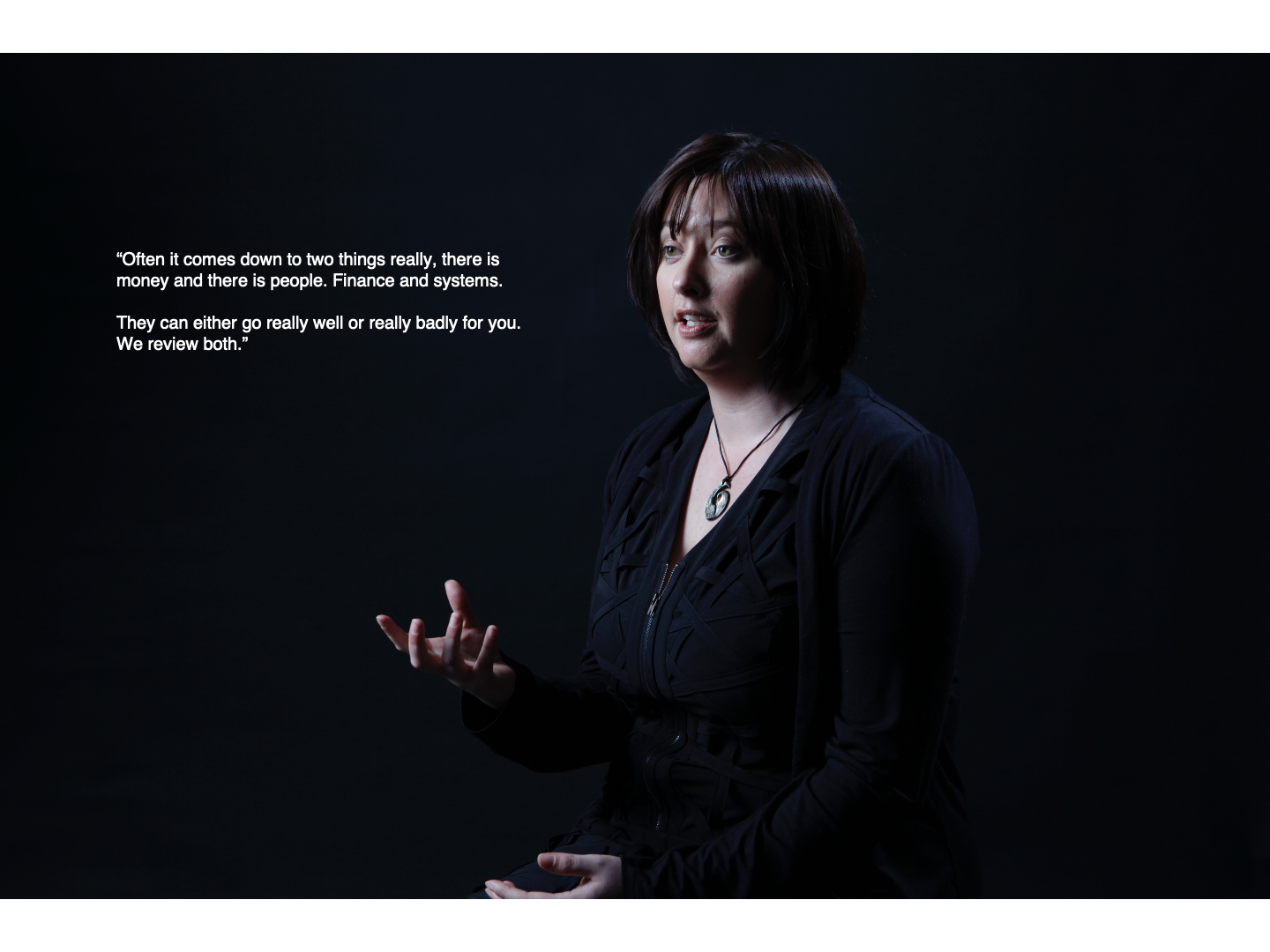
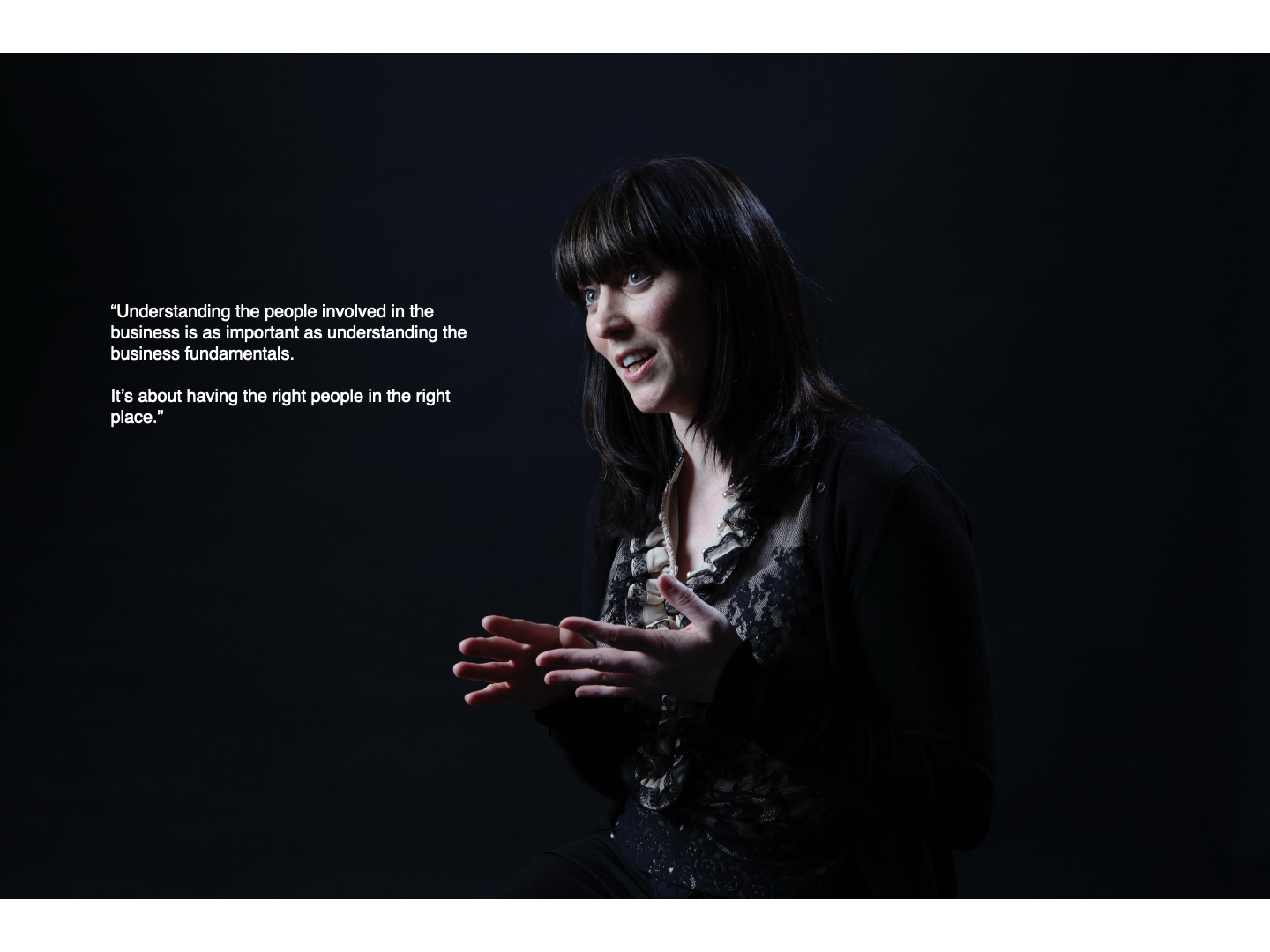
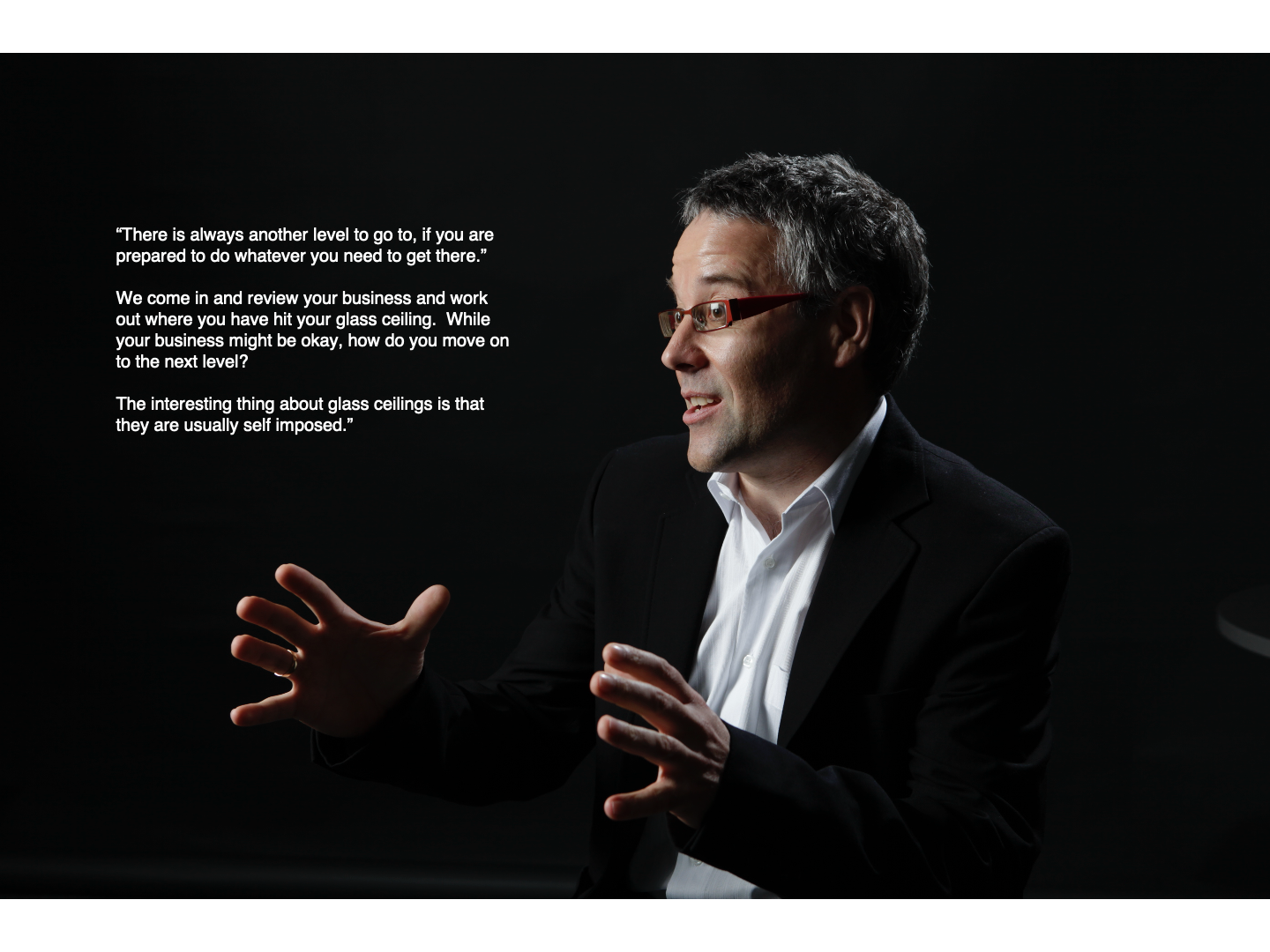
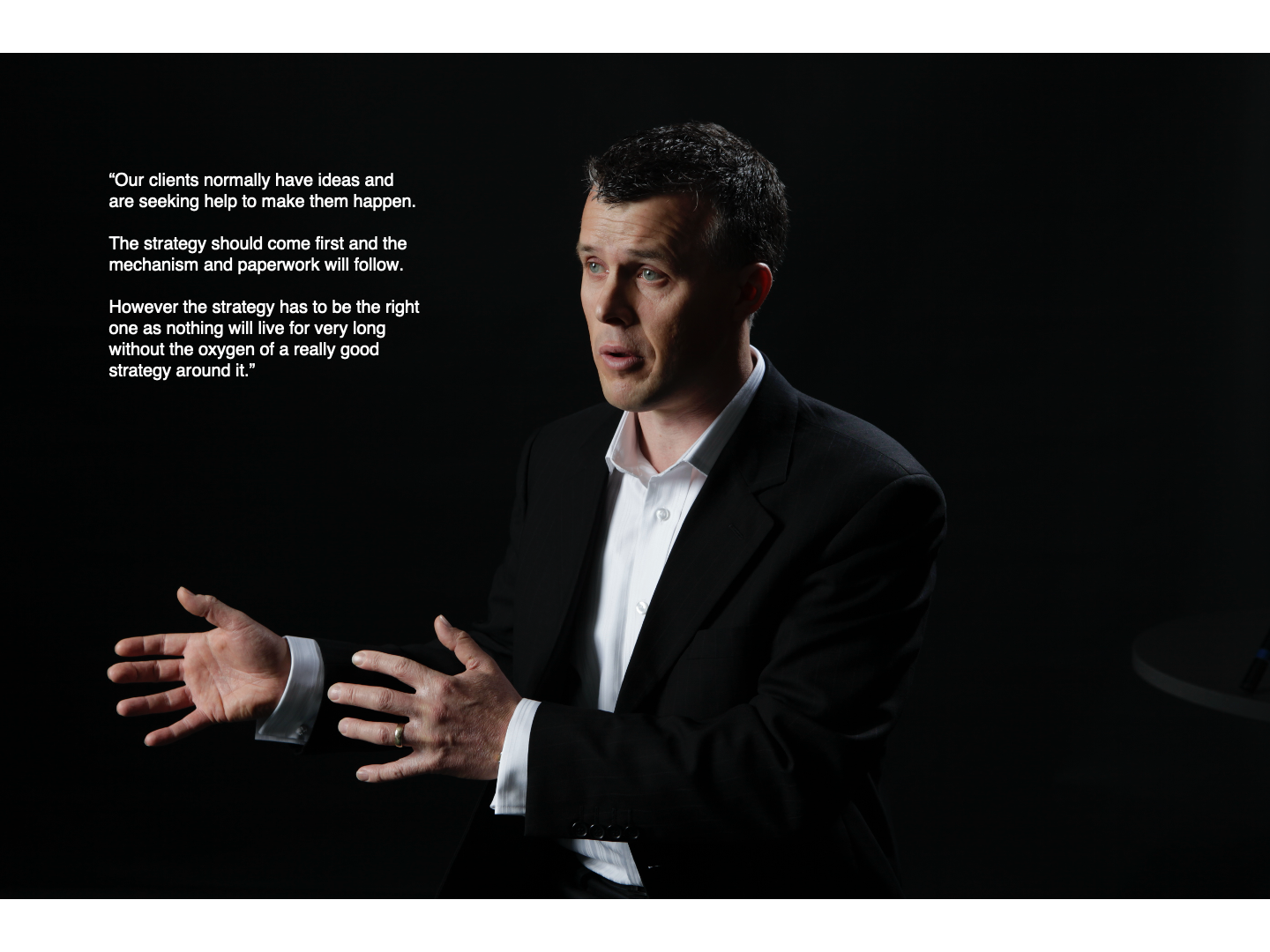
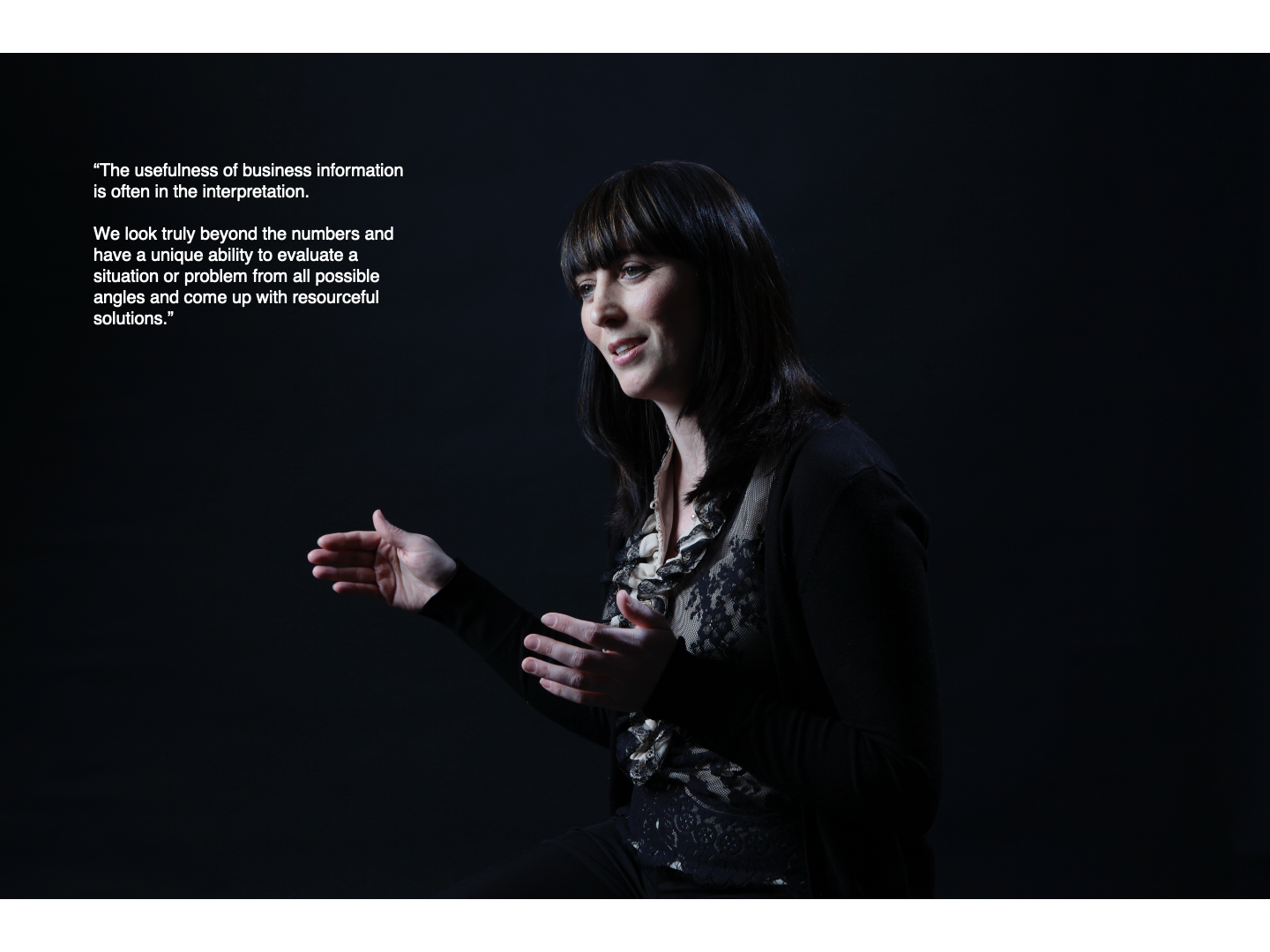
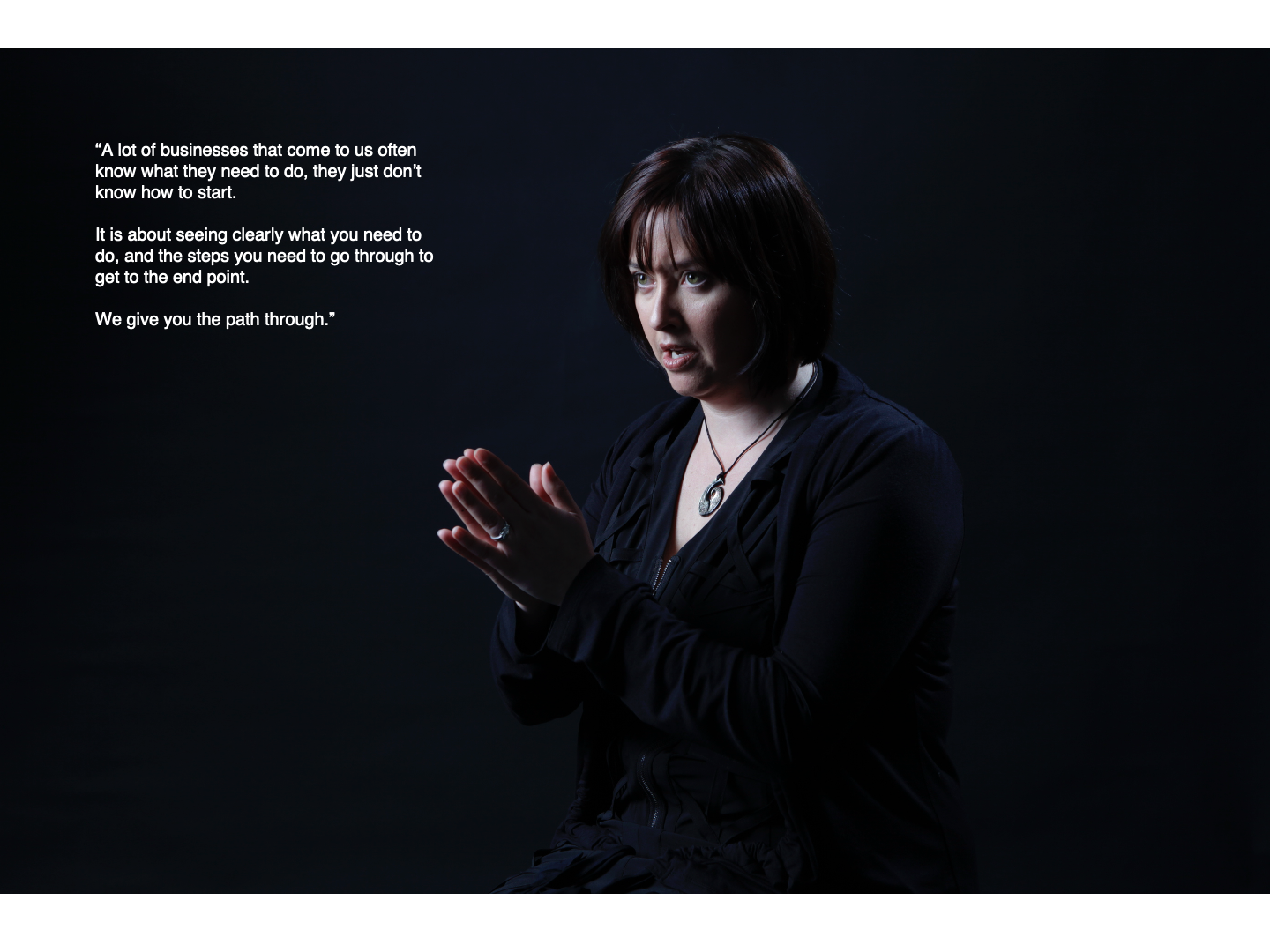
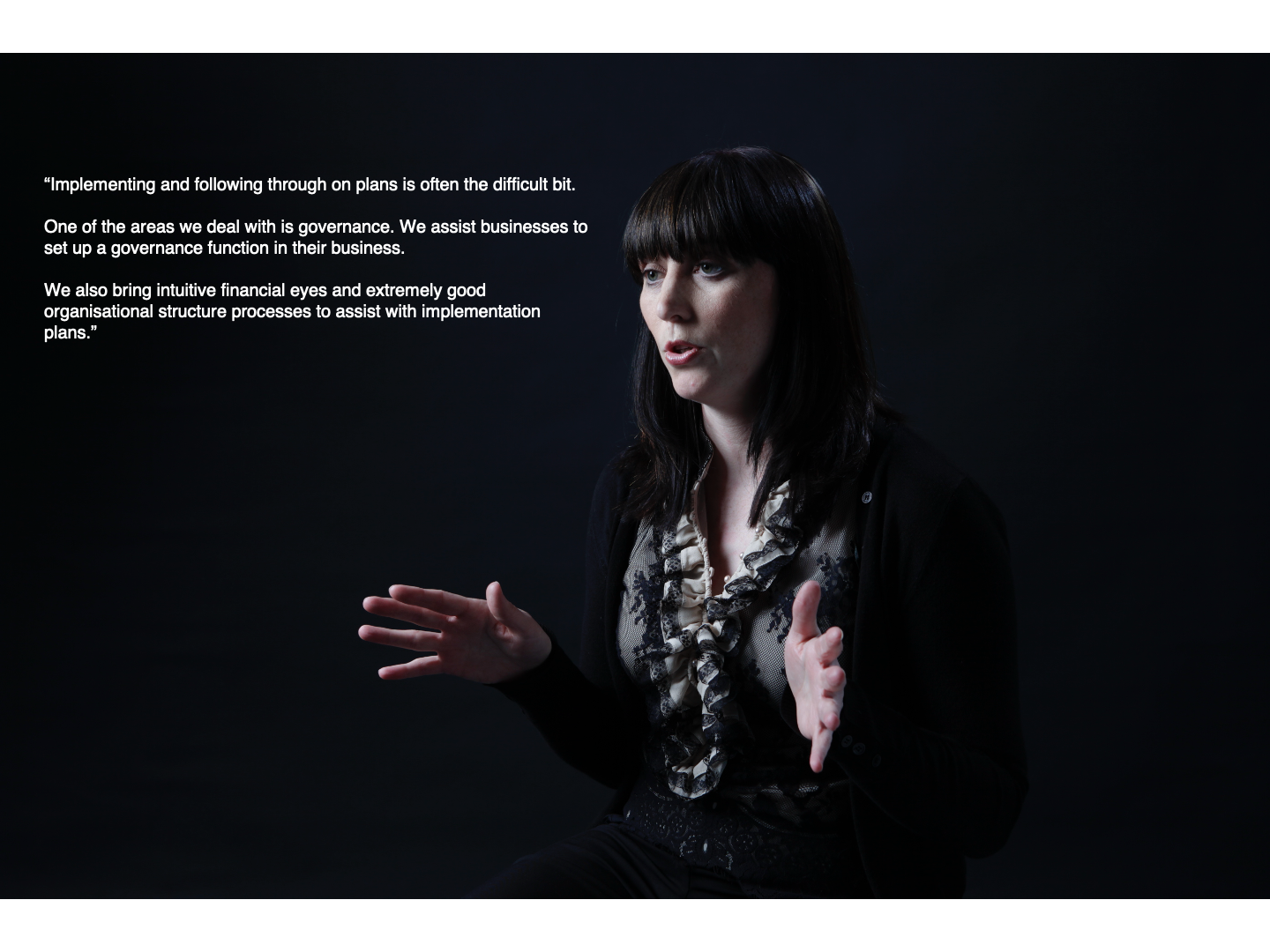
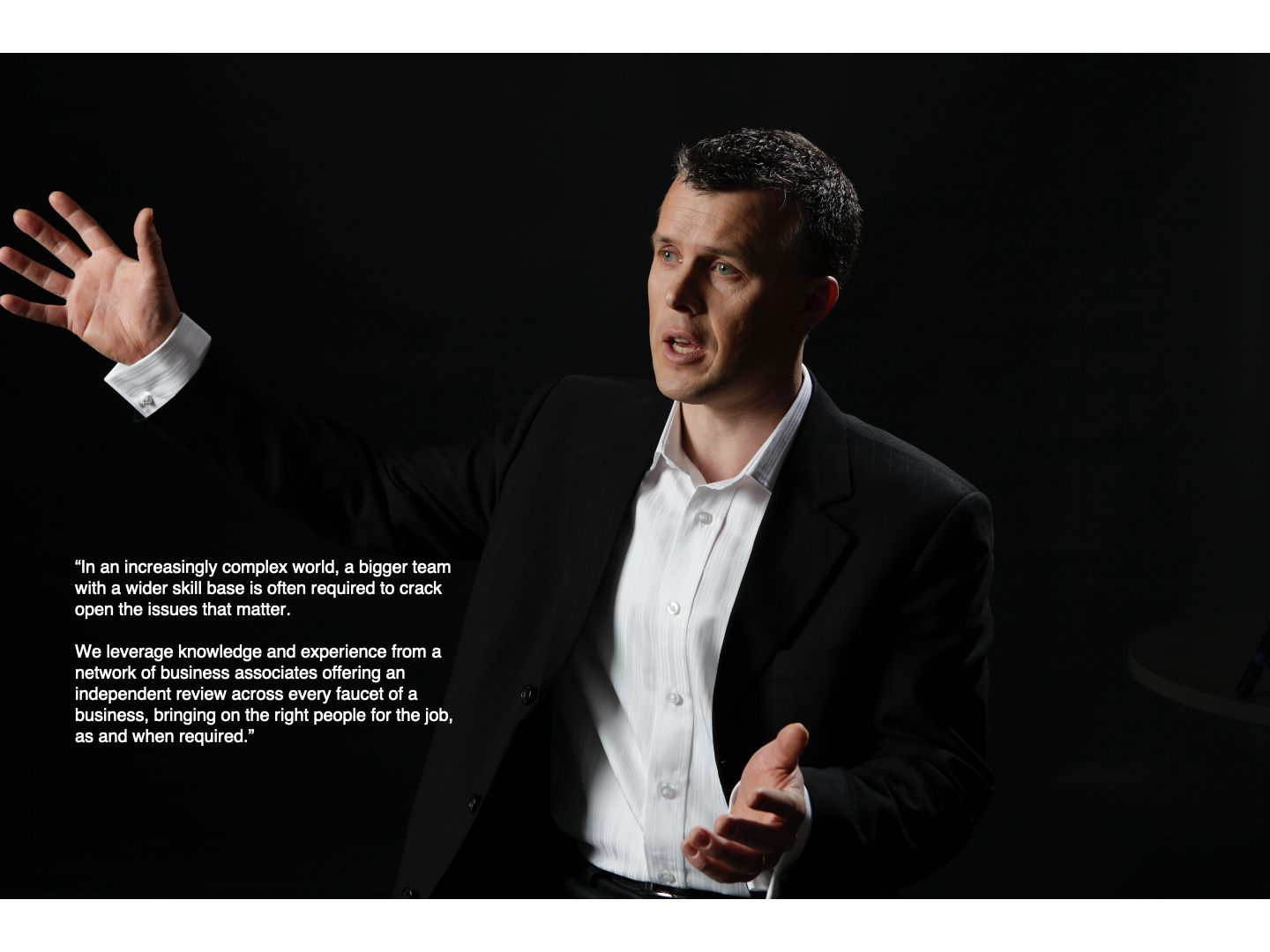
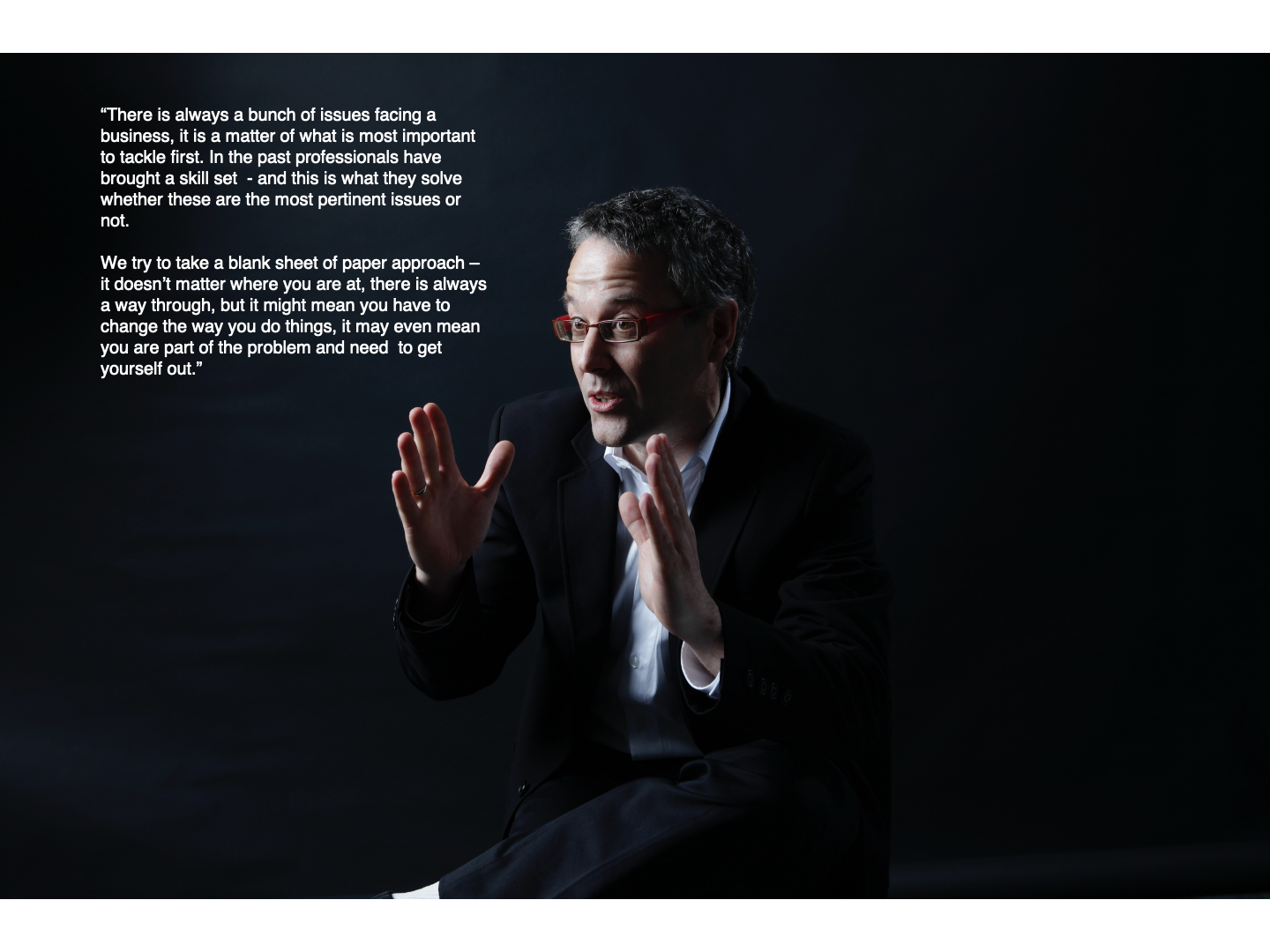
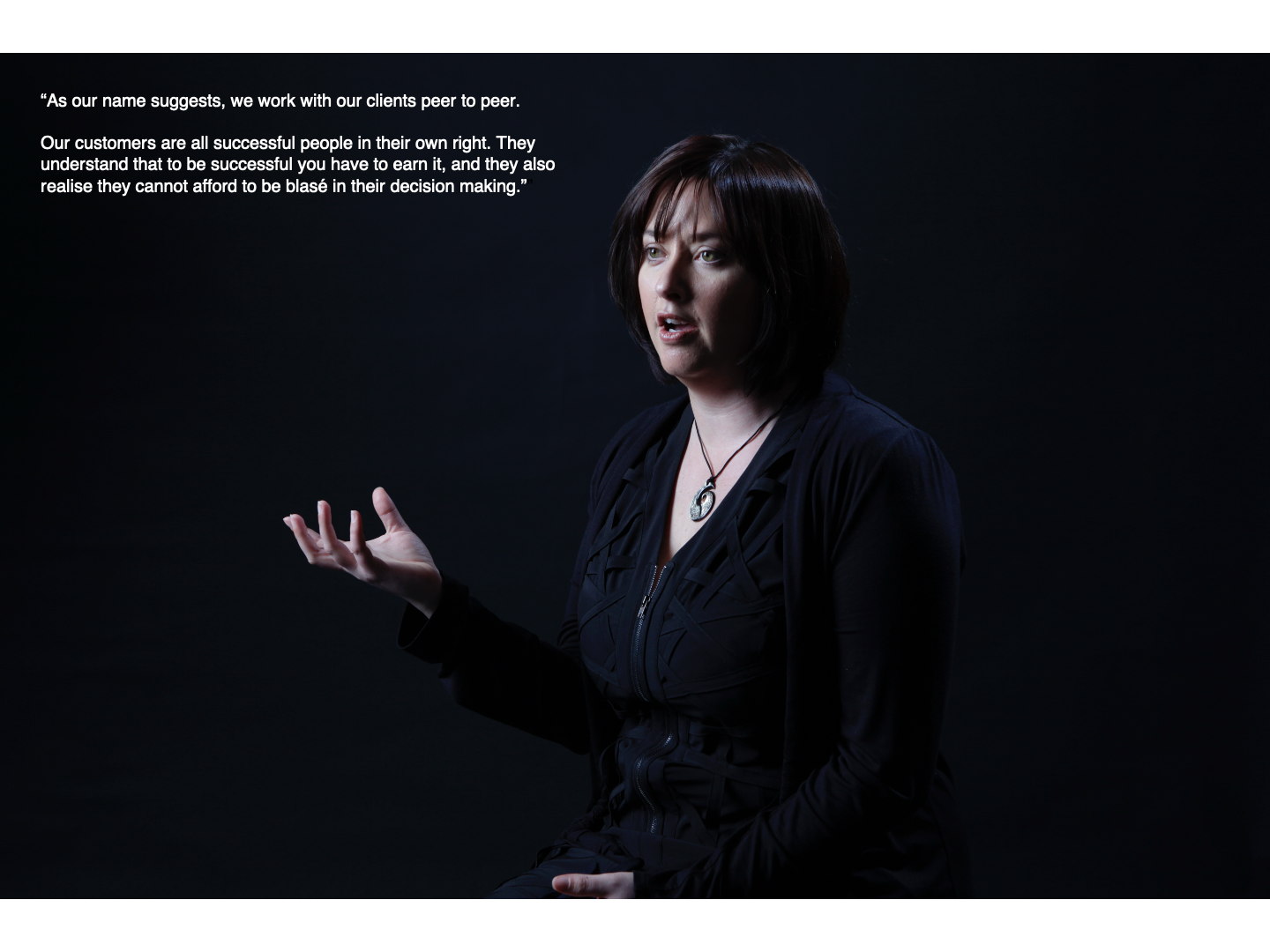
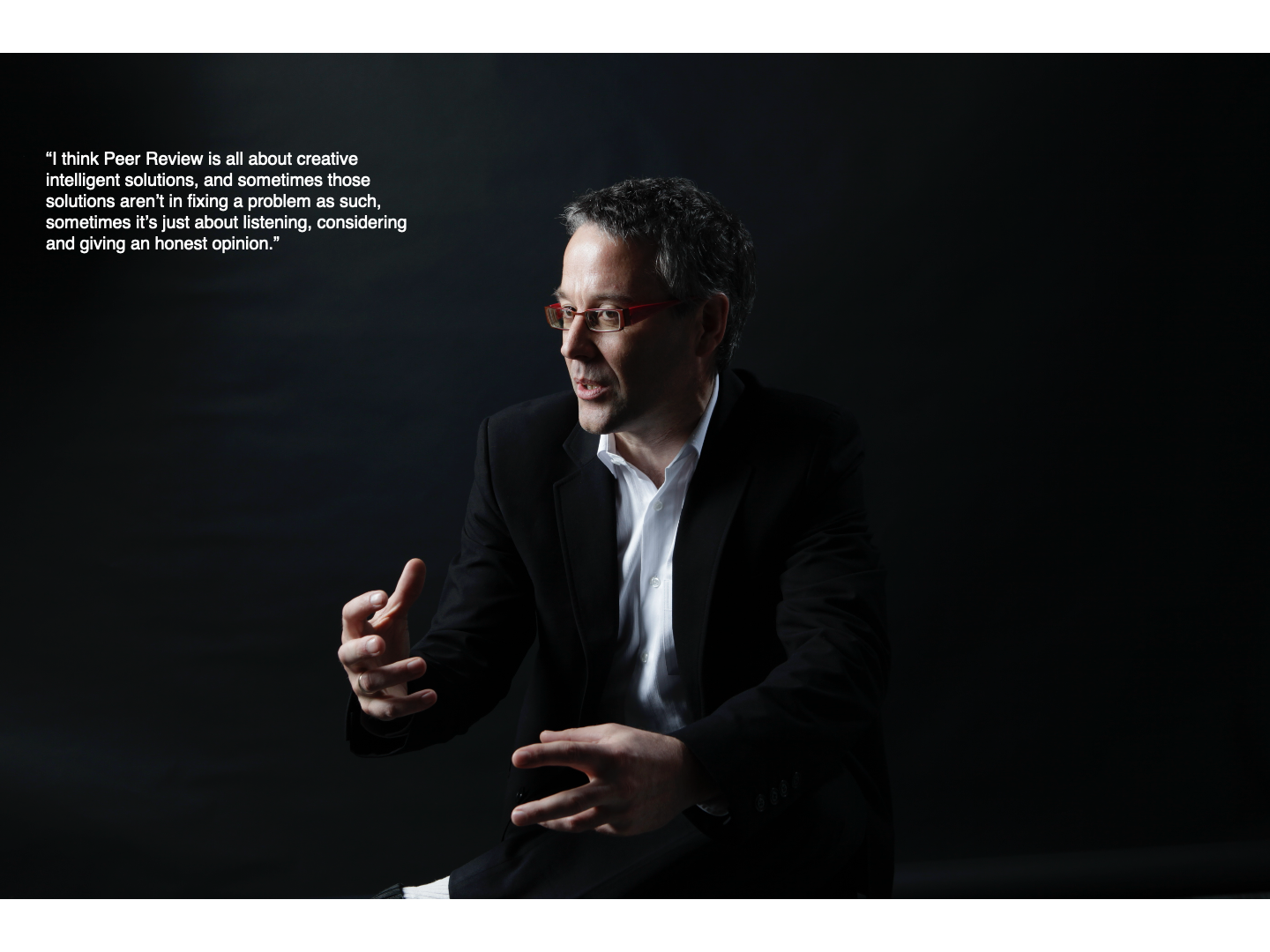
That strategic work was captured in a detailed photographic brief written by Carryn Colton. Rather than describing how the work should look, the brief articulated what needed to be understood in language drawn directly from the people inside the business.
Each of the principals was interviewed in depth. The words used throughout the work are their words, taken from real conversations about how they think, how they operate, and the role they play for their clients.
The photography was captured during those interviews, allowing the creative execution to respond directly to the story as it was being told.
Because the strategy, language, and imagery were developed together, the finished work feels integrated and coherent.
The brand story shaped not only the creative outcome, but the way the business was positioned and presented as a whole.
This project is included here as a lead example because it shows how BrandCom brings strategy, storytelling, and creative execution together, and how brand strategy, when taken seriously, drives business strategy in practice.
The original photographic brief and the finished work are included side by side, allowing the thinking and the outcome to be viewed together.

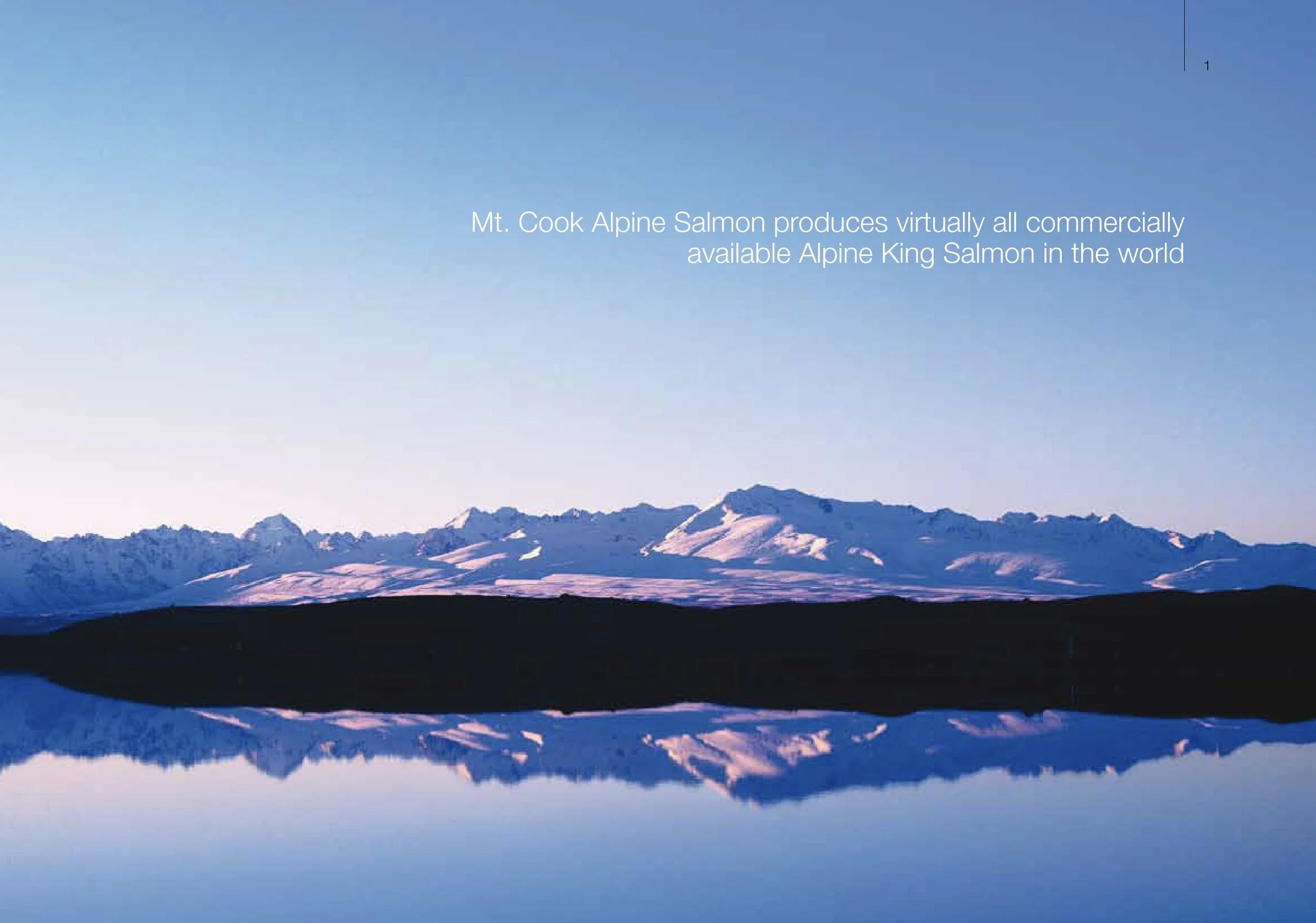
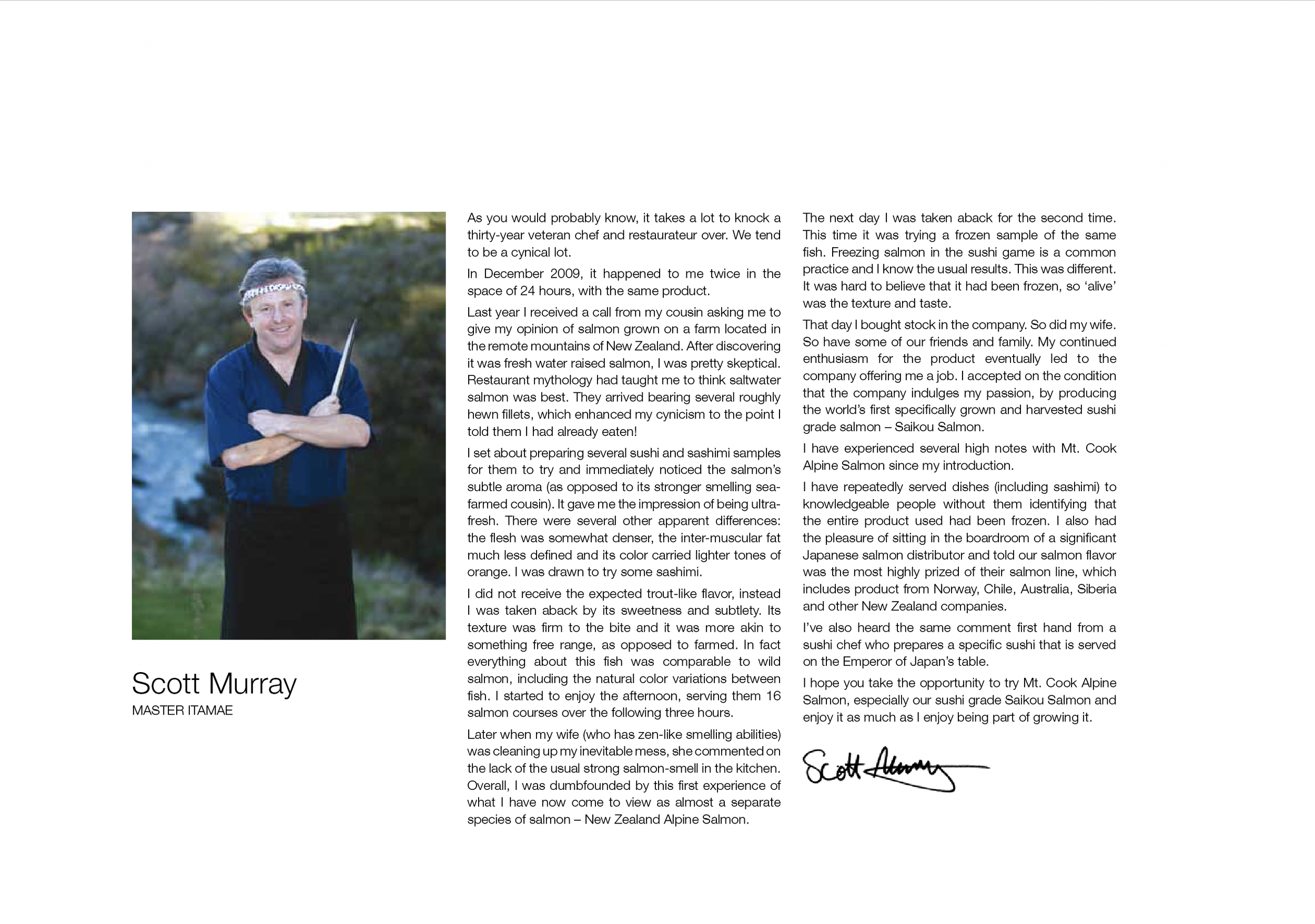
Mt Cook Alpine Salmon — Saikou Sushi Grade (US Chef Brochure)
Strategy led the story, the creative made it unforgettable
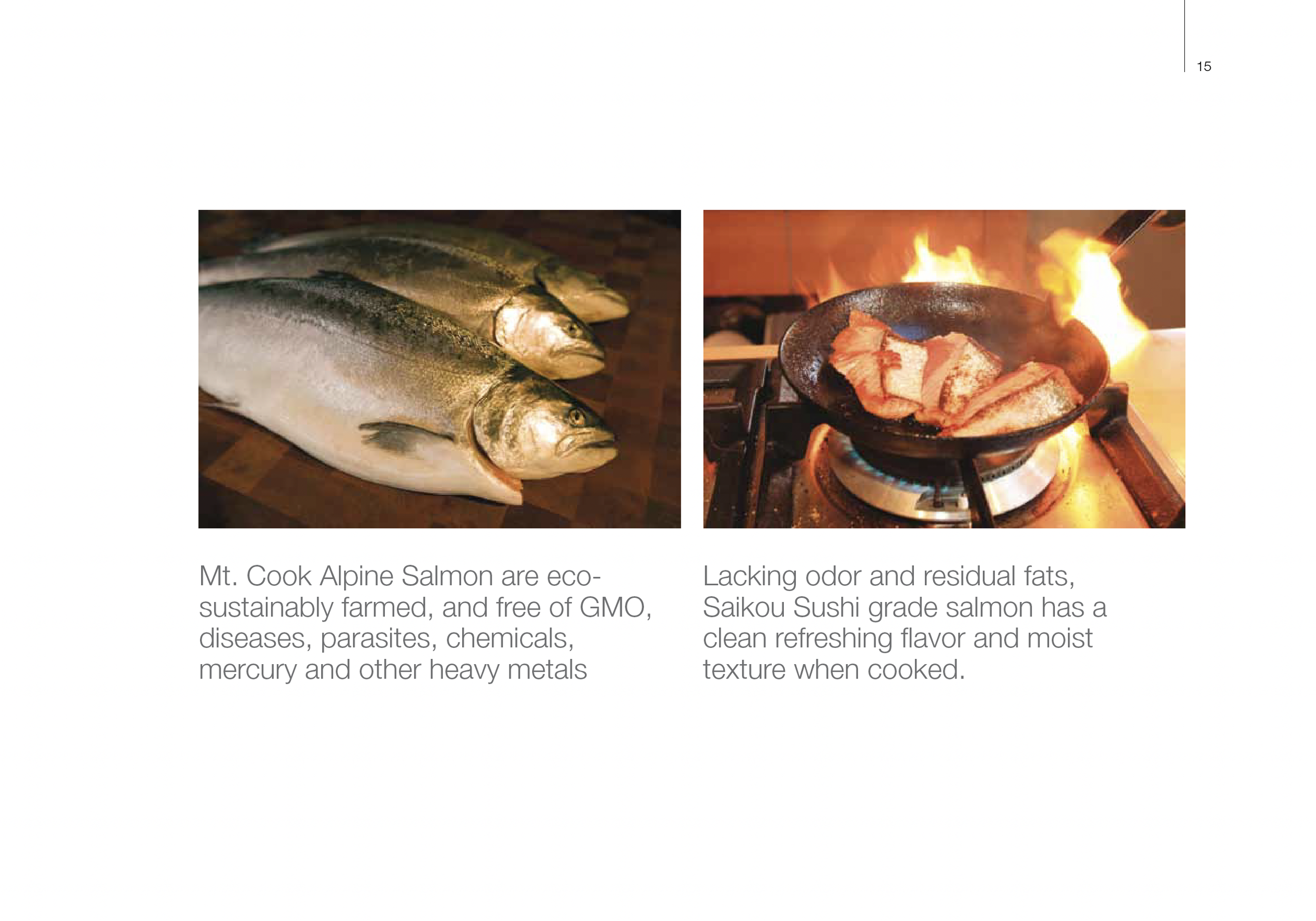
The challenge was deceptively simple: explain why this salmon was different. In reality, the task was far harder. The product was frozen, unfamiliar, and operating at the very top end of a highly sceptical chef market. As we often joked at the time, marketing a dead fish is one of the hardest things you can do.
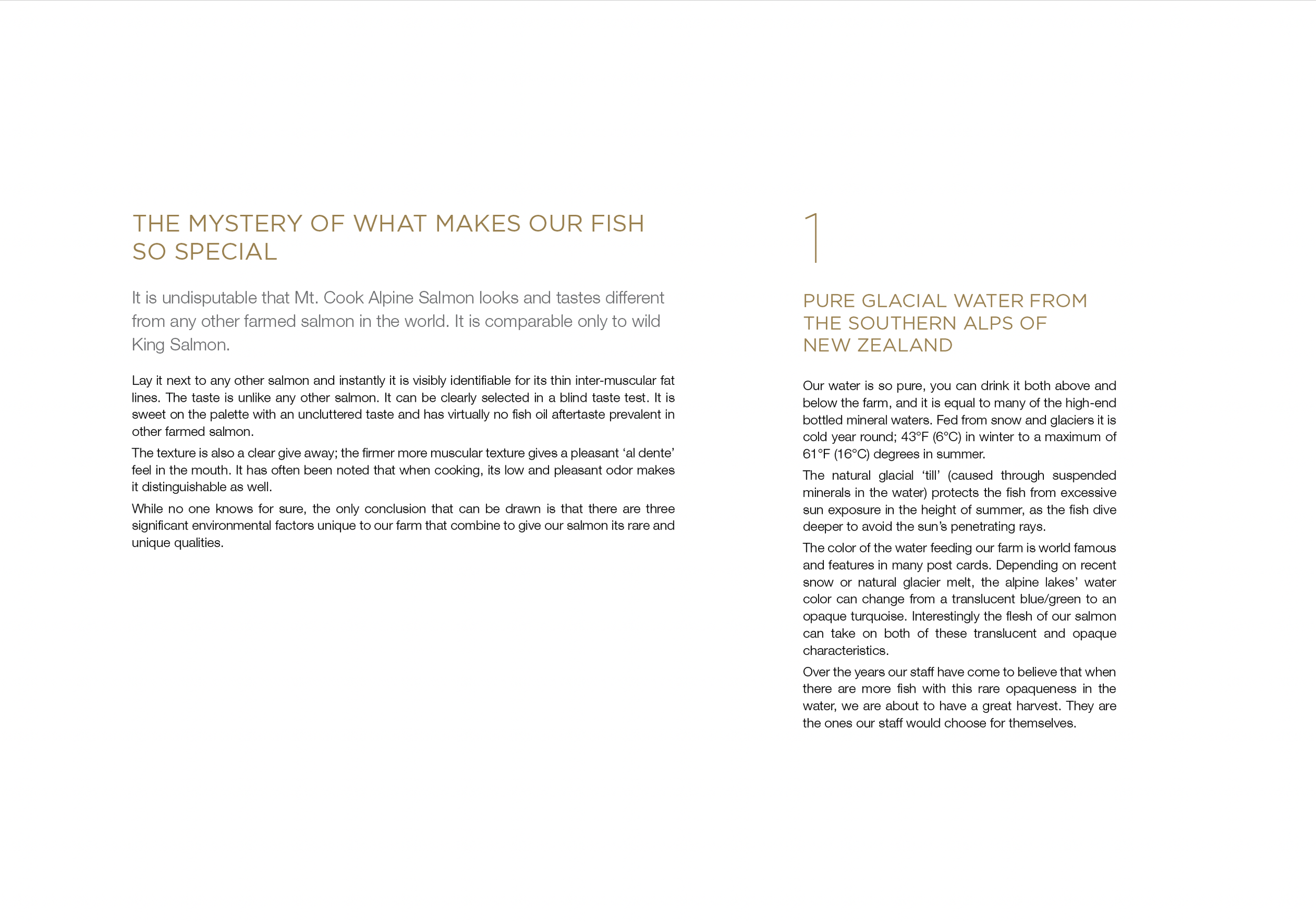
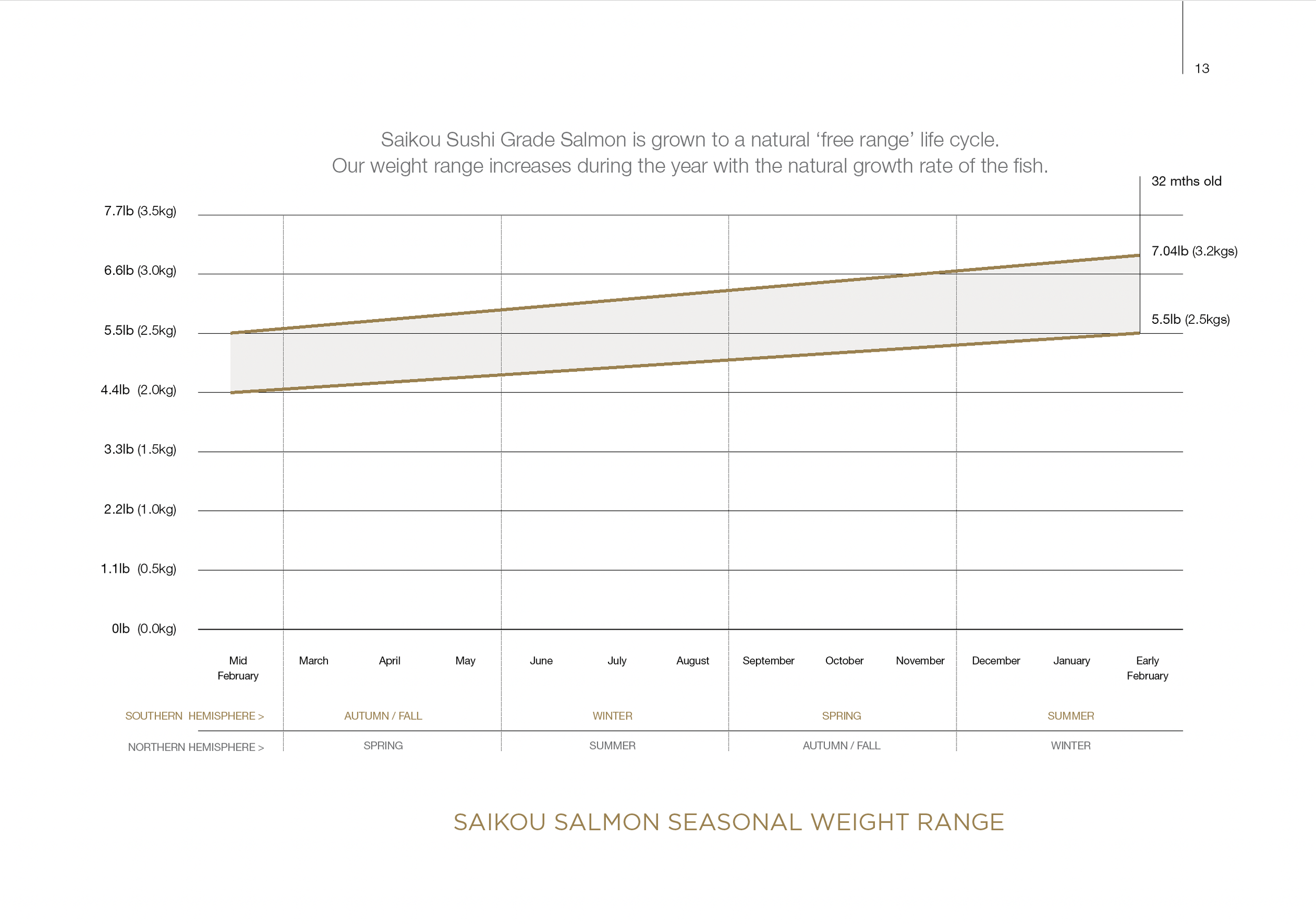
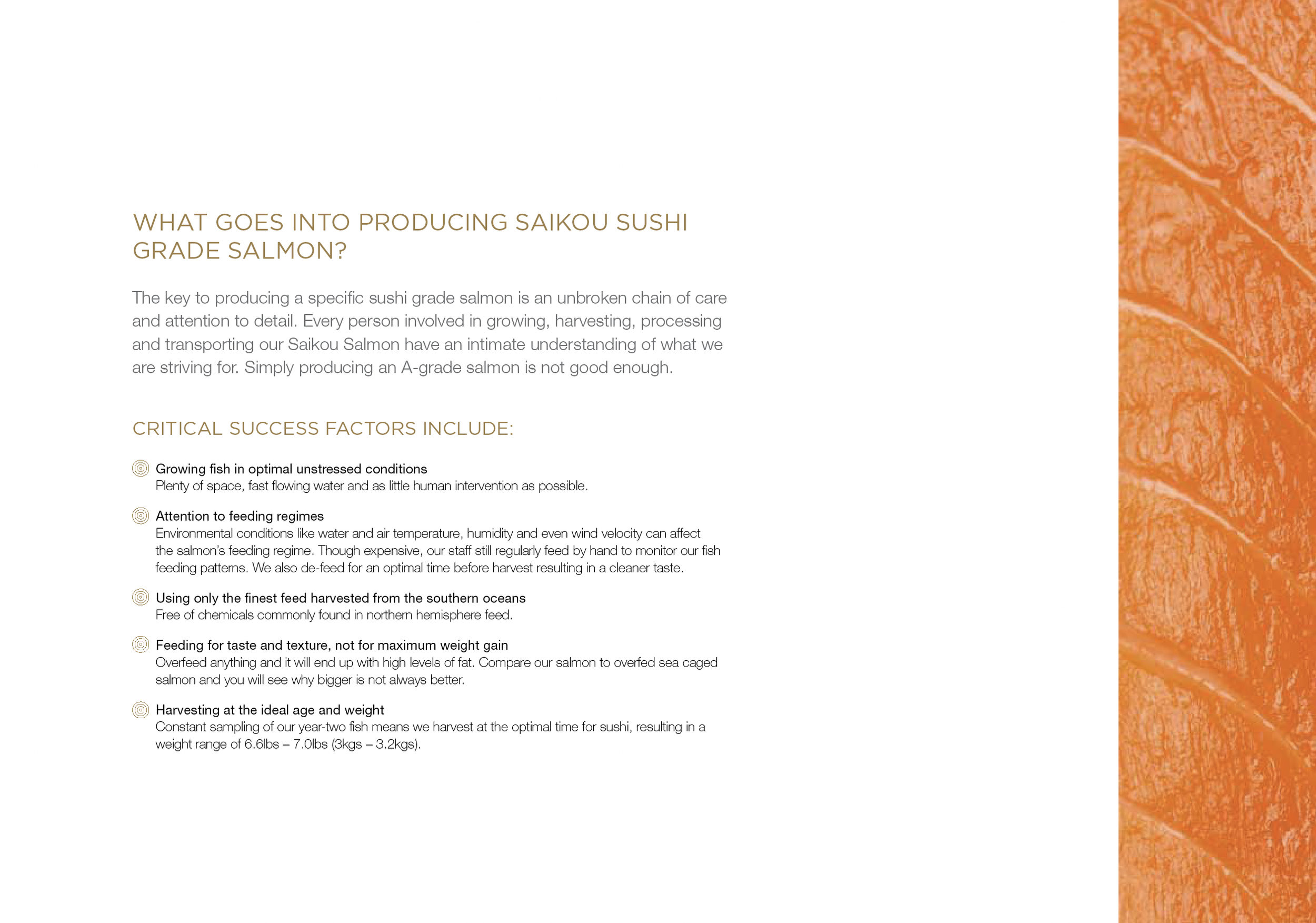
The strategy was built around story. Not marketing claims or product features, but a coherent narrative that connected place, purity, farming conditions, process, and craft, and framed Saikou as something genuinely distinct. That story set the spine for everything that followed.
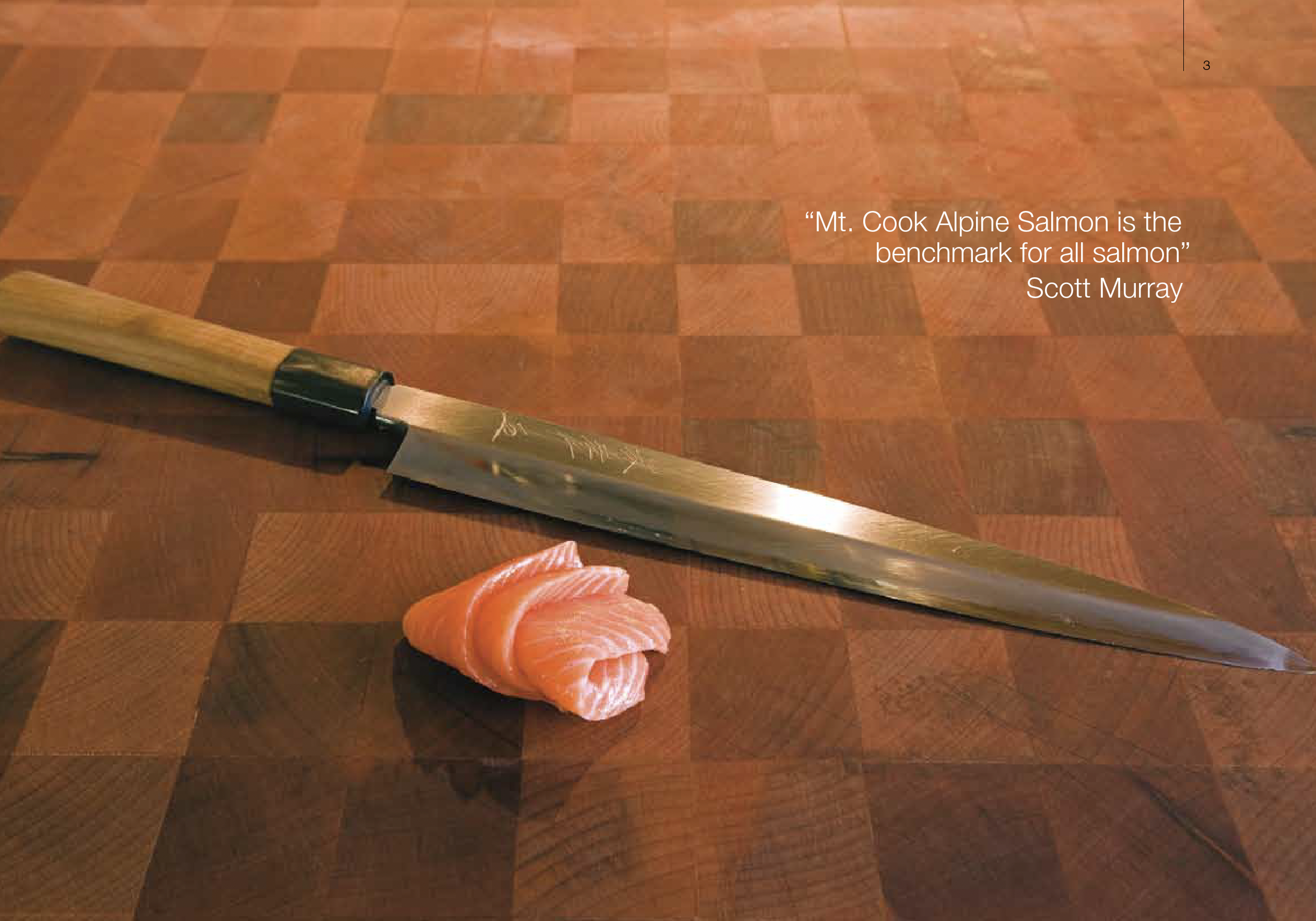
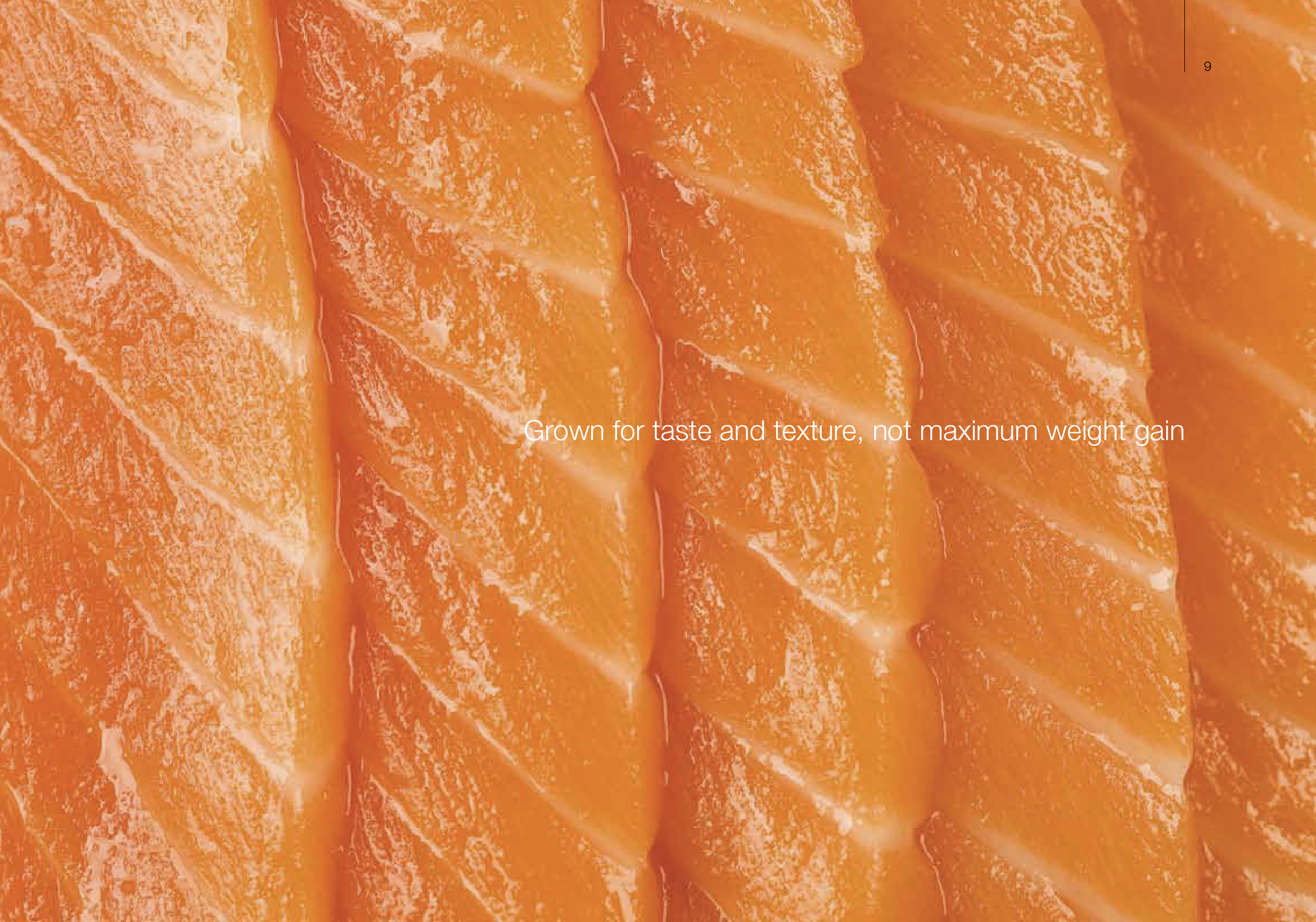
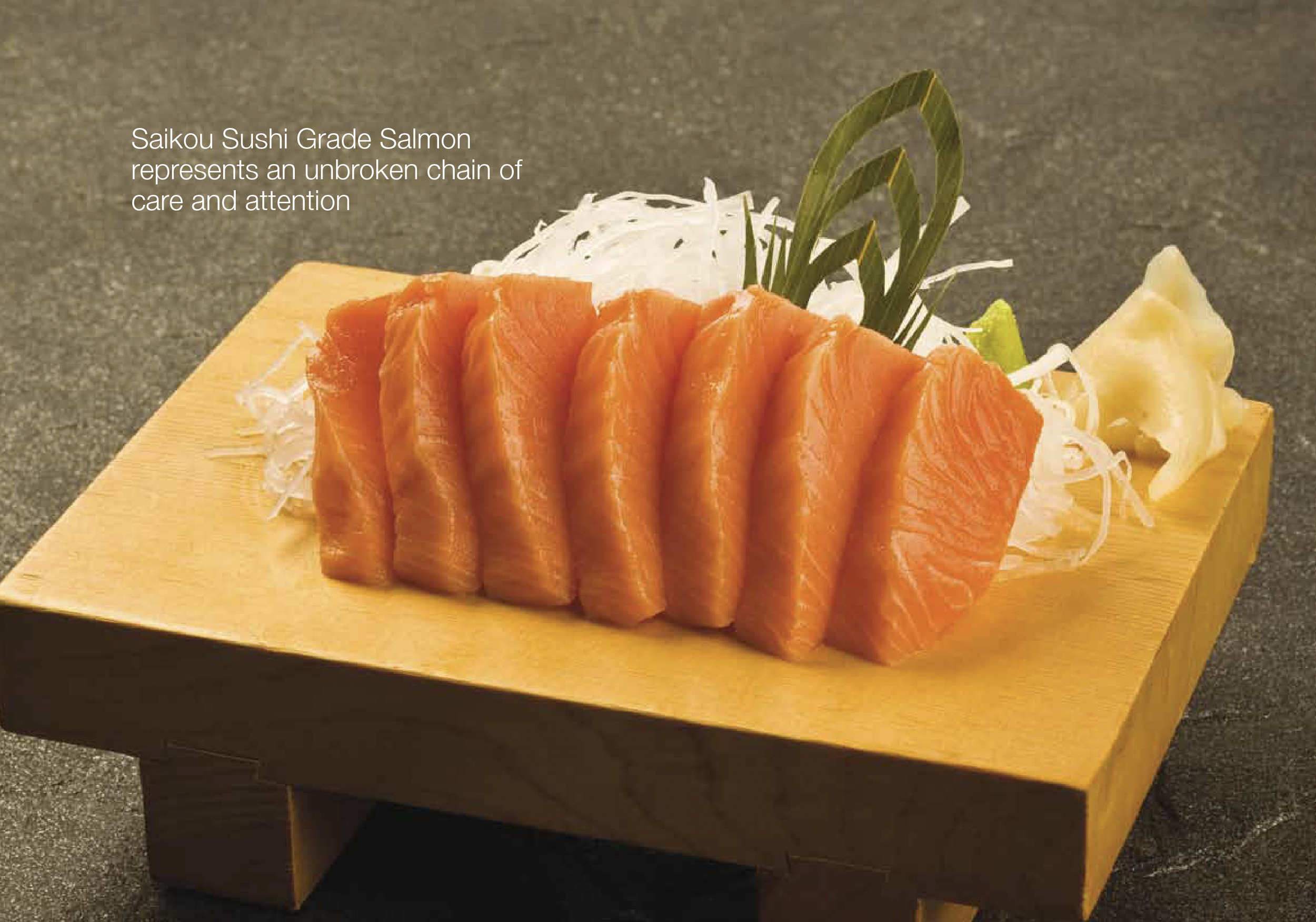
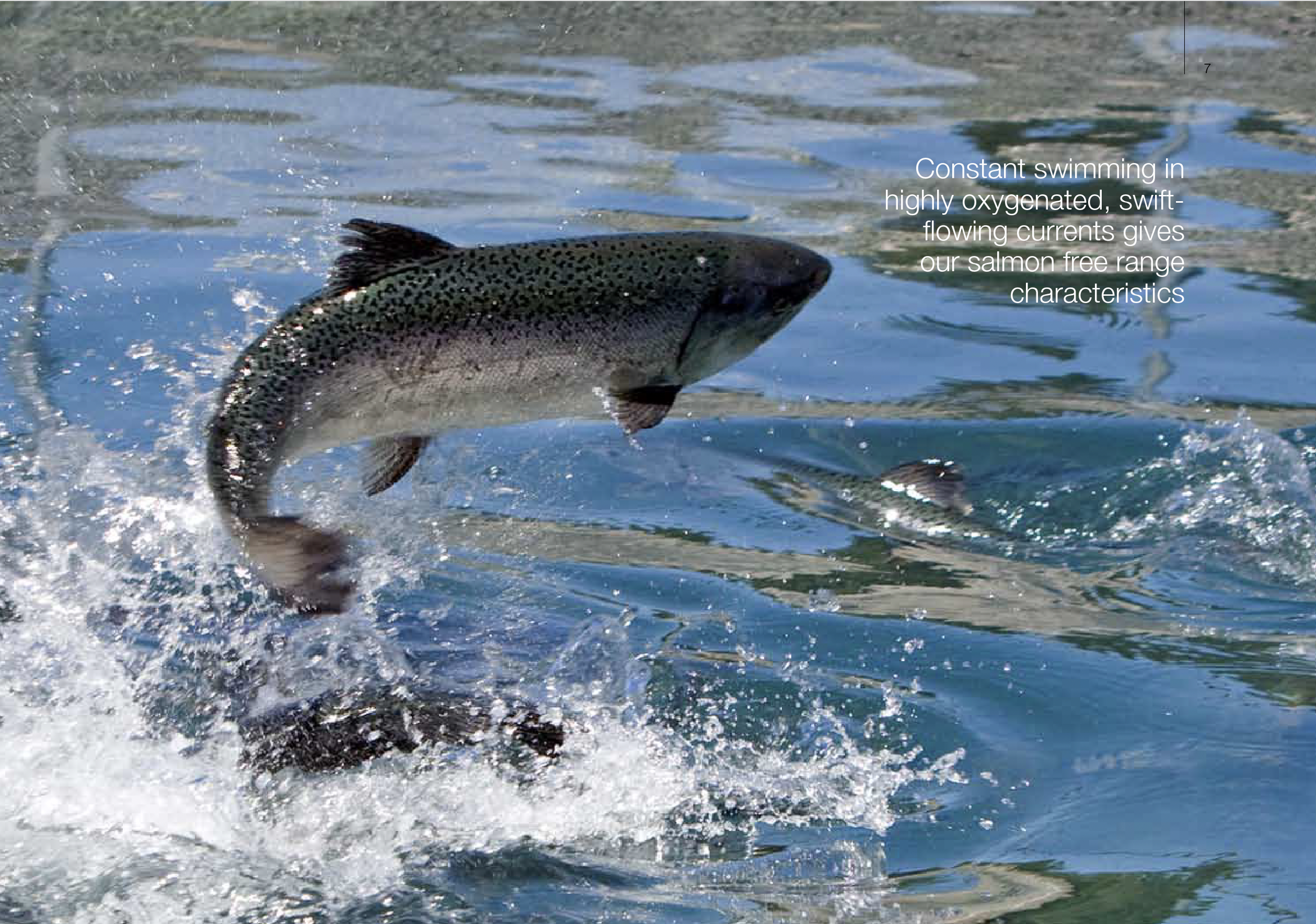
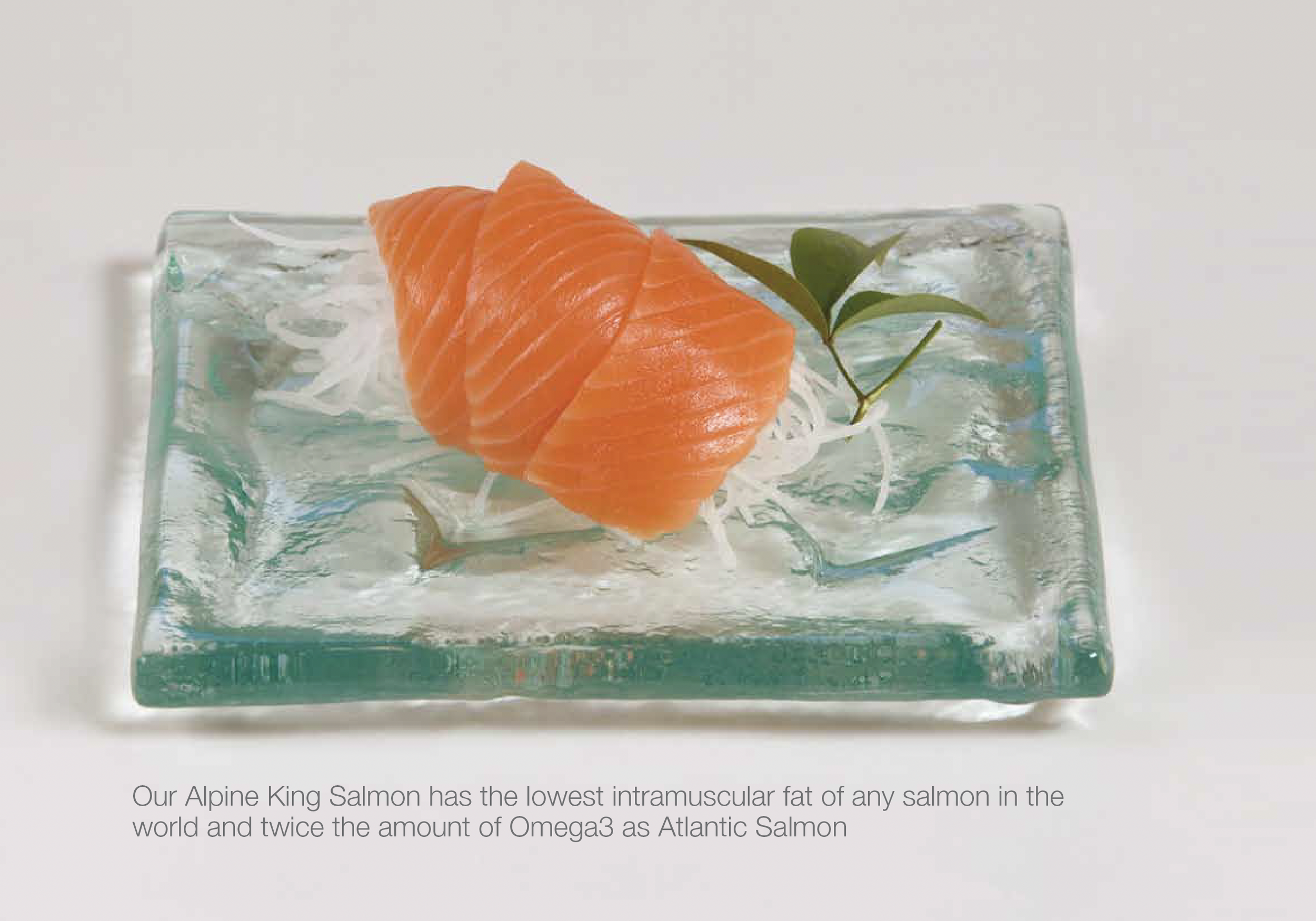
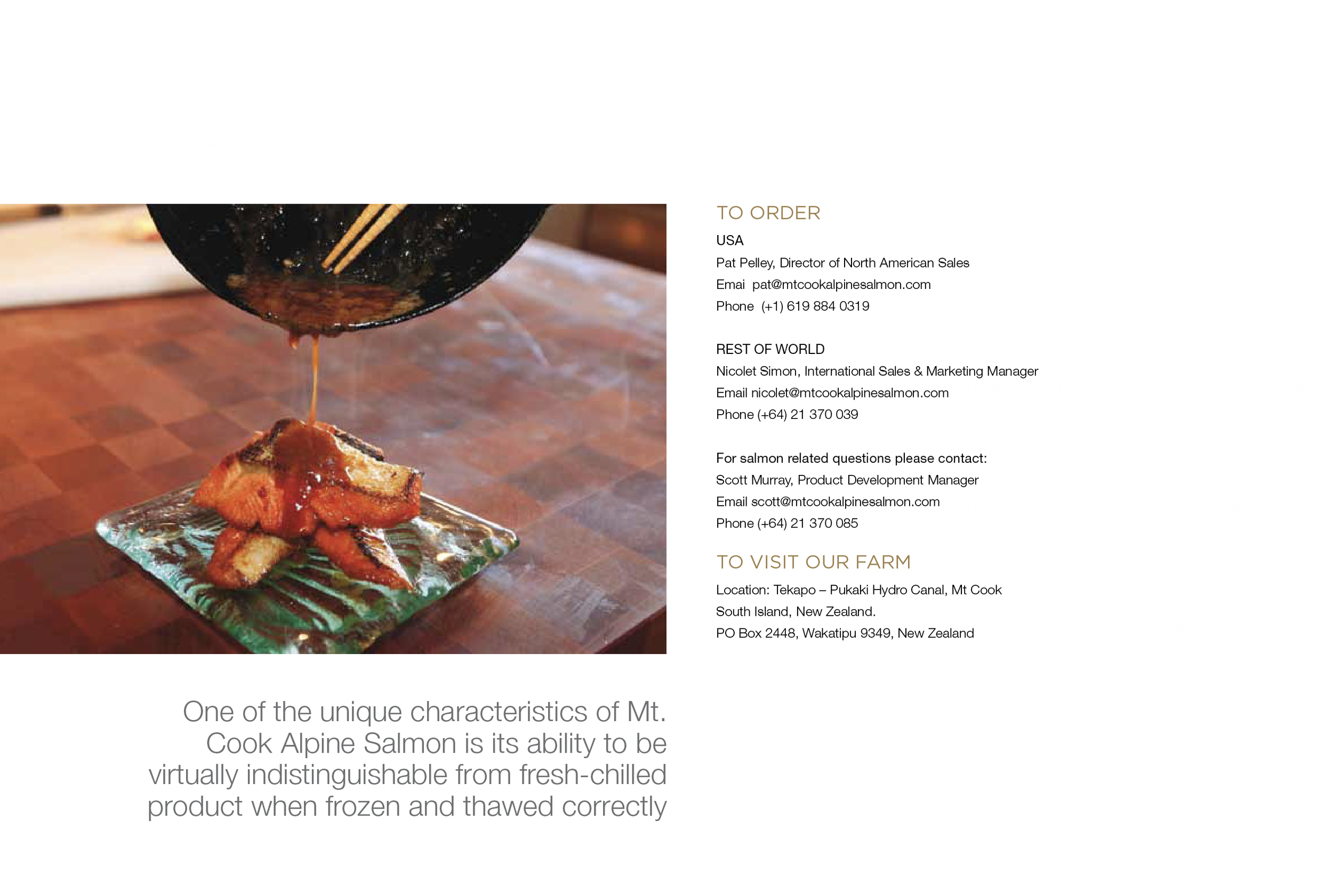
The creative execution is where the work really comes together. The photography carries much of the narrative weight, and the captions are deliberately written to tell the core story even if the rest of the text is never read.
Image and language work together; paced, restrained, and confident, allowing chefs to absorb the idea quickly and intuitively.
A photo, in this case, really was worth a thousand words.
The results spoke for themselves.
It was on the back of this brochure that Mt. Cook Alpine Salmon secured placement with The French Laundry, regarded as one of the world’s great restaurants, a defining moment for the brand in the US market.
The project demonstrates how BrandCom thinks strategically before acting creatively and how strong creative execution, when tied tightly to a clear brand story, can carry meaning, credibility, and commercial intent at the same time.
A photo, in this case, really was worth a thousand words

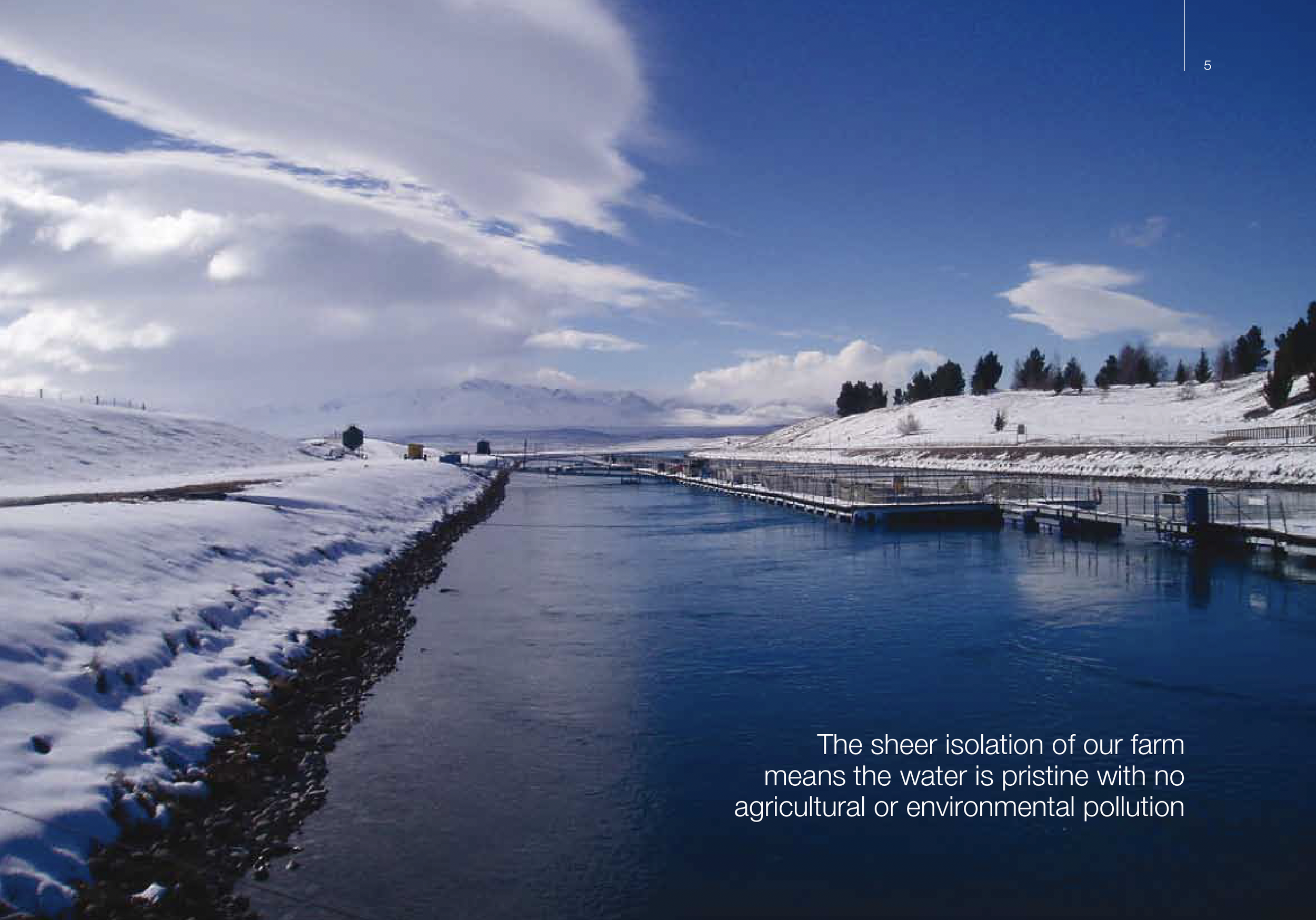
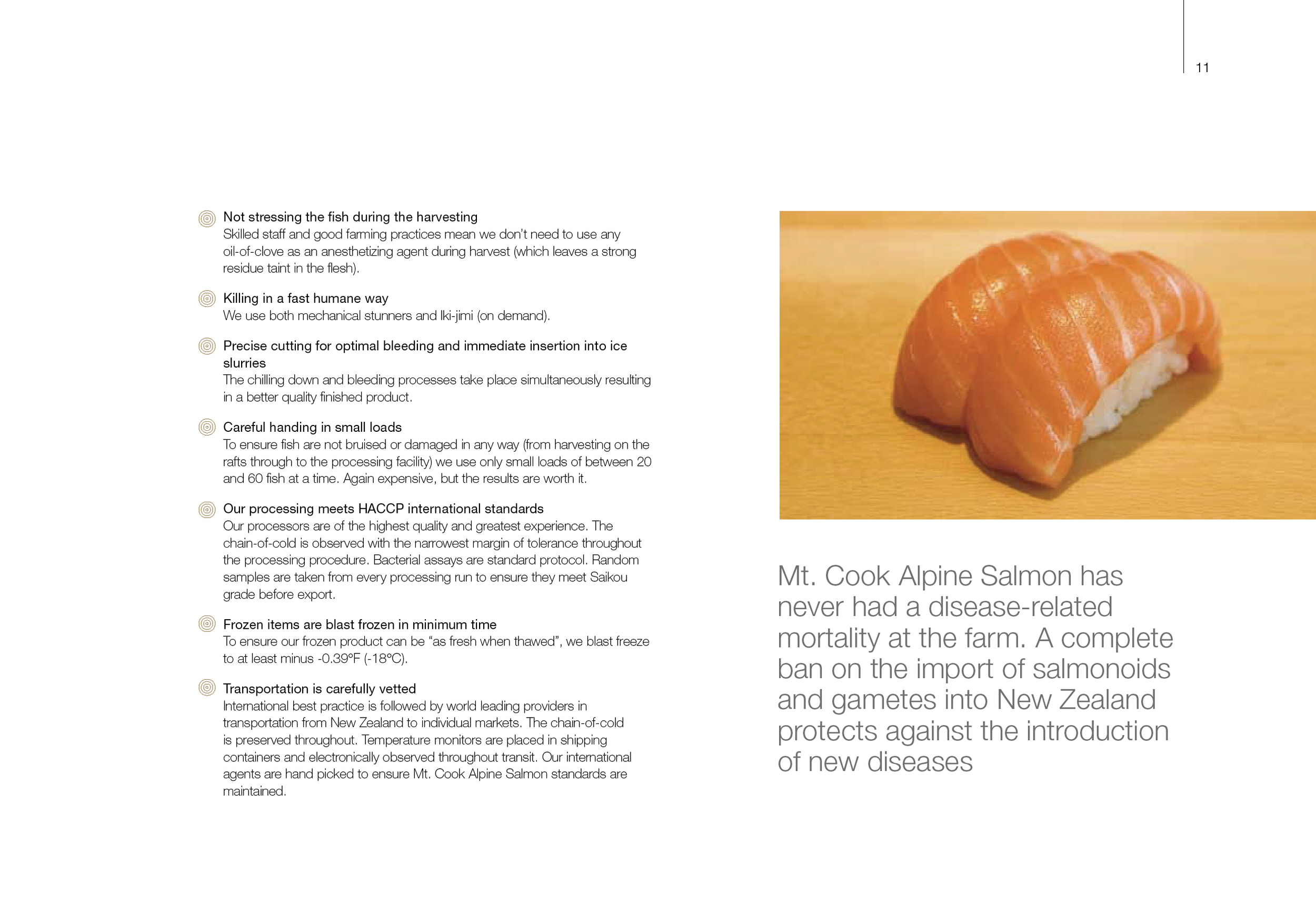
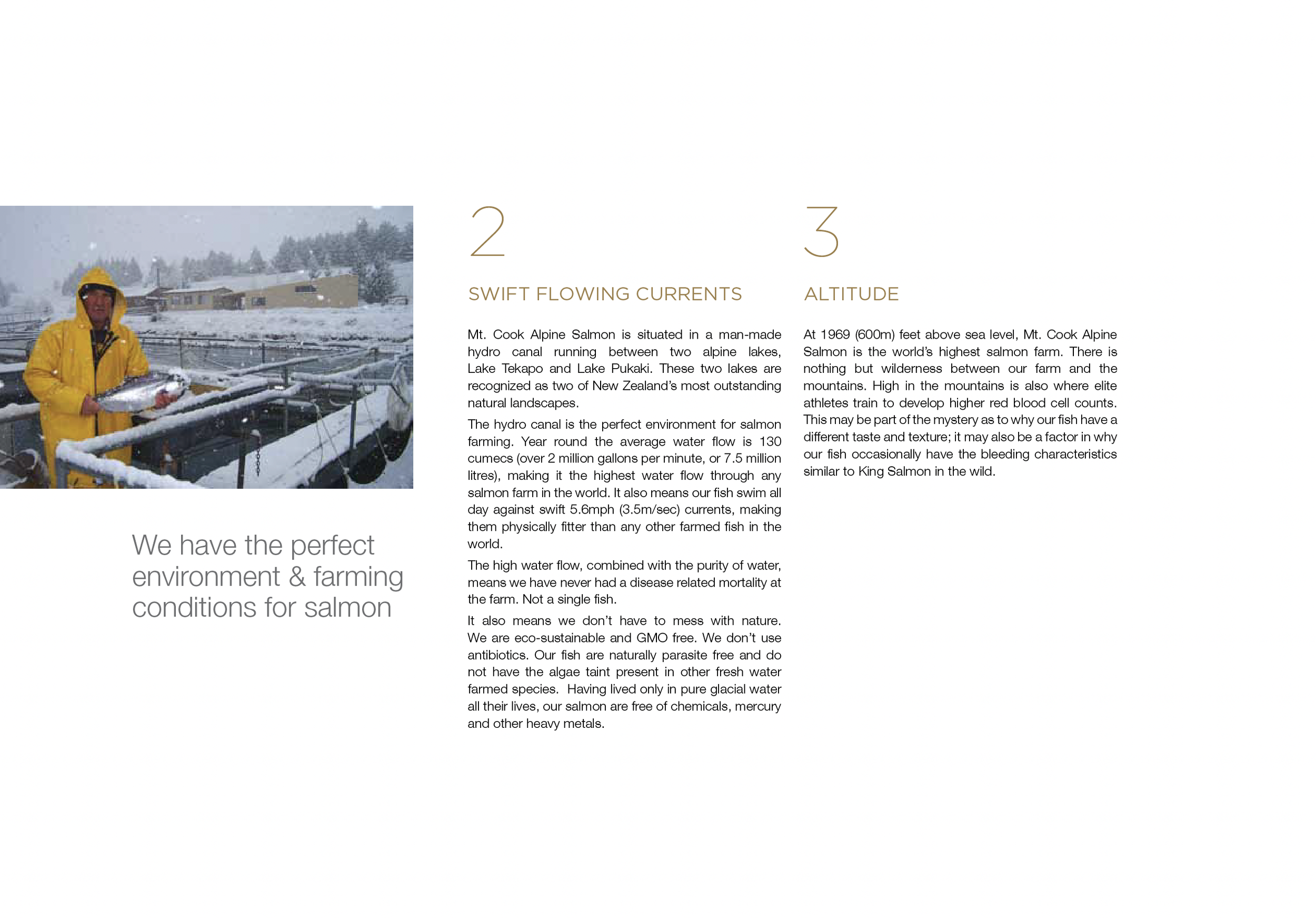
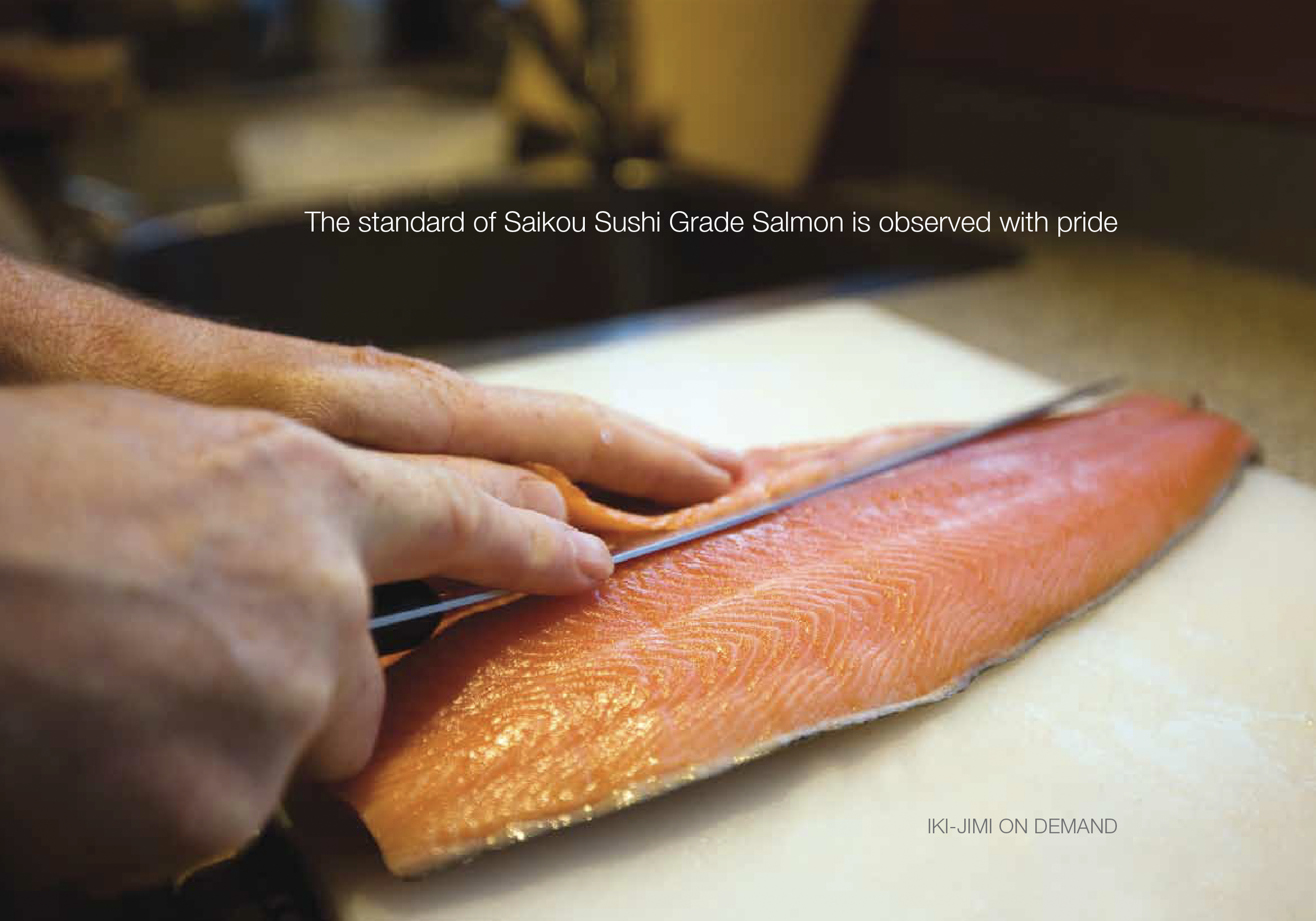


This work sits at the far end of technical complexity and demanded real discipline to translate
EnPot — translating complexity into understanding
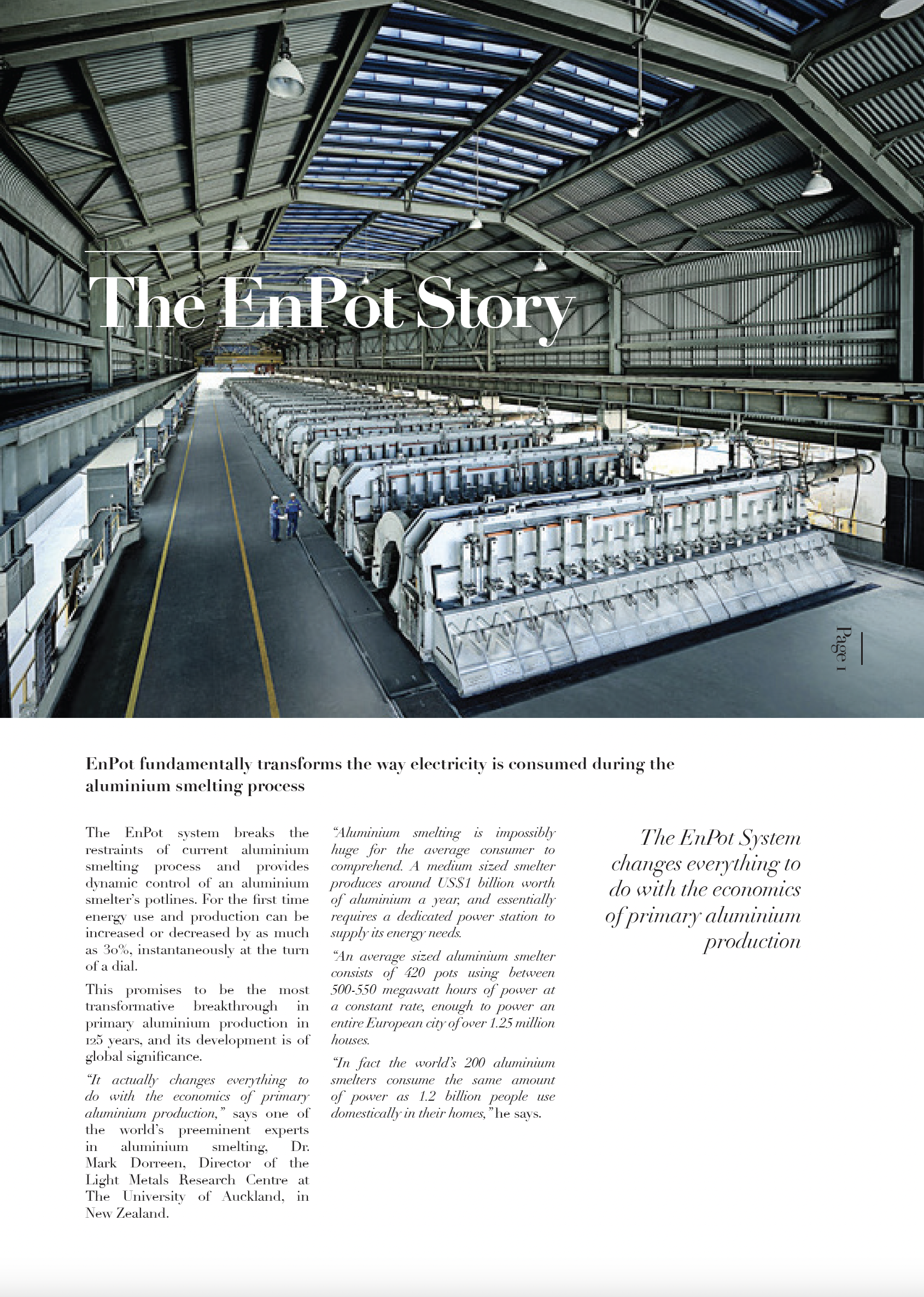
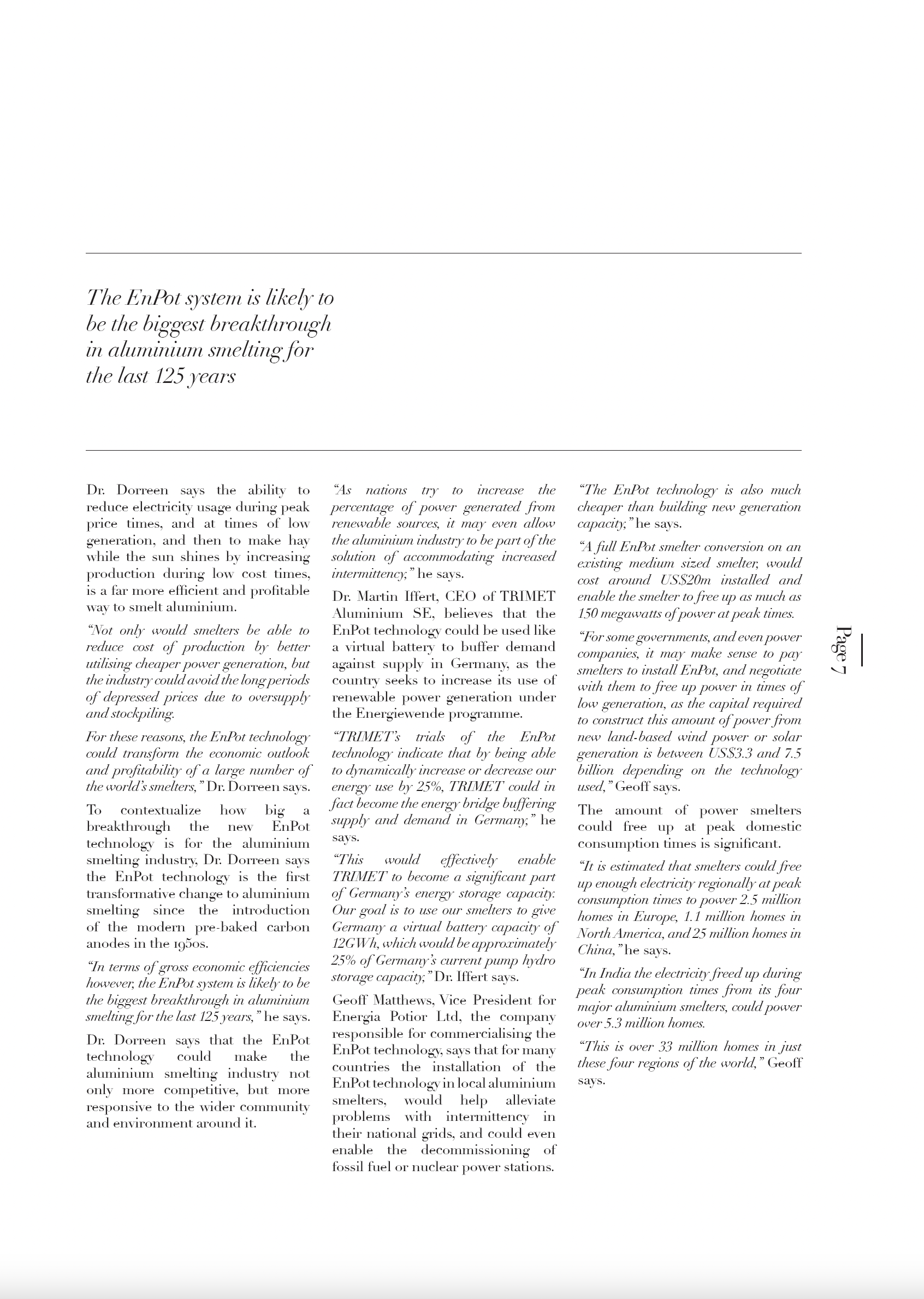
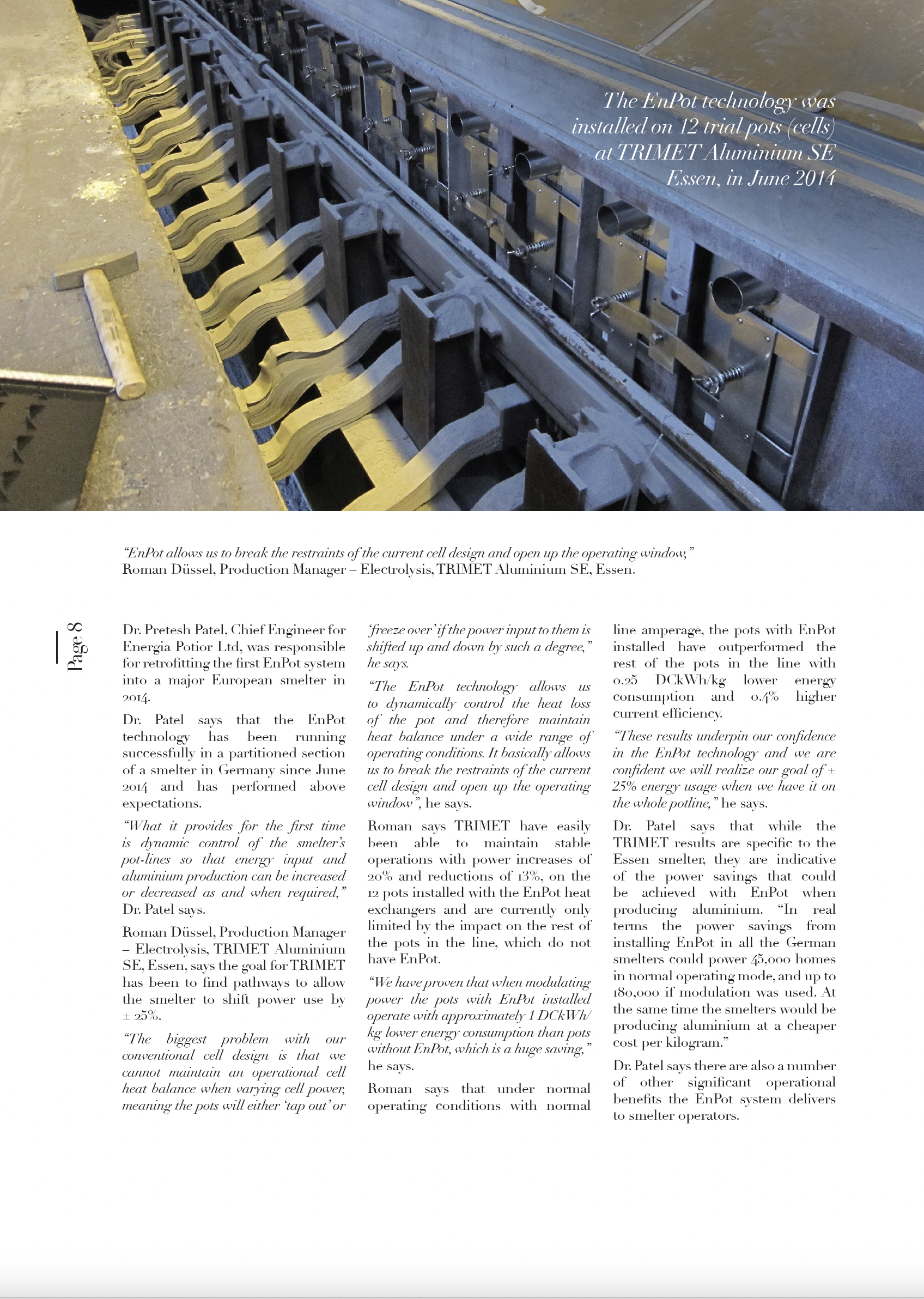
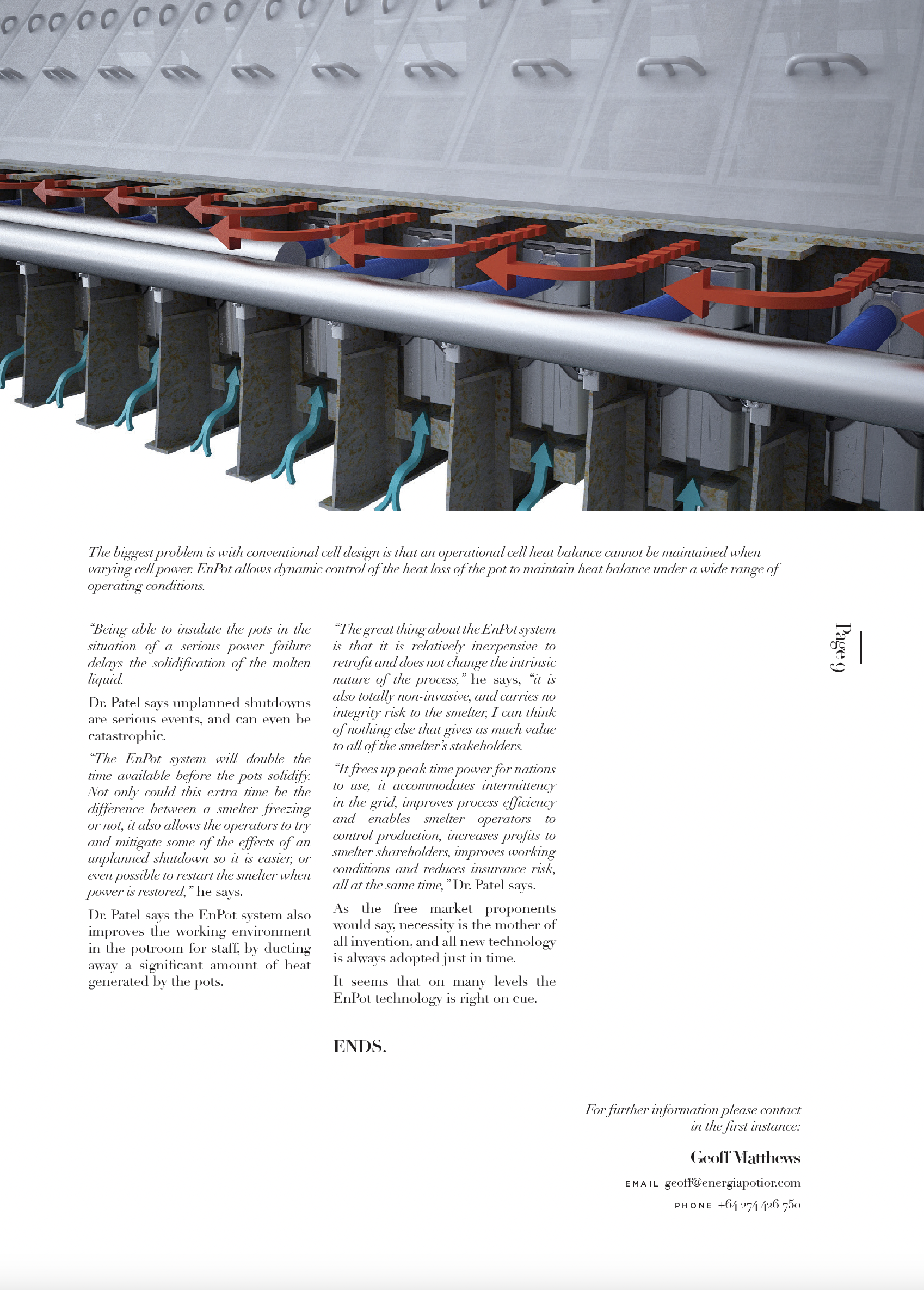
The EnPot technology fundamentally changed how aluminium smelters could consume electricity, with implications for energy systems, industrial economics, and the integration of renewables. It was also, by its nature, difficult to explain. Highly technical. Abstract. Easy to lose people early.
The challenge was not to simplify the technology, but to translate it, to create a narrative that allowed people outside the engineering and smelting world to understand why it mattered.
This think piece was written to do exactly that.
It reframed an intricate electro-chemical process into a story about energy, flexibility, economics, and consequence, positioning the technology within the wider systems it affected, including national grids, renewable intermittency, industrial competitiveness, and policy.
The structure mattered as much as the words.
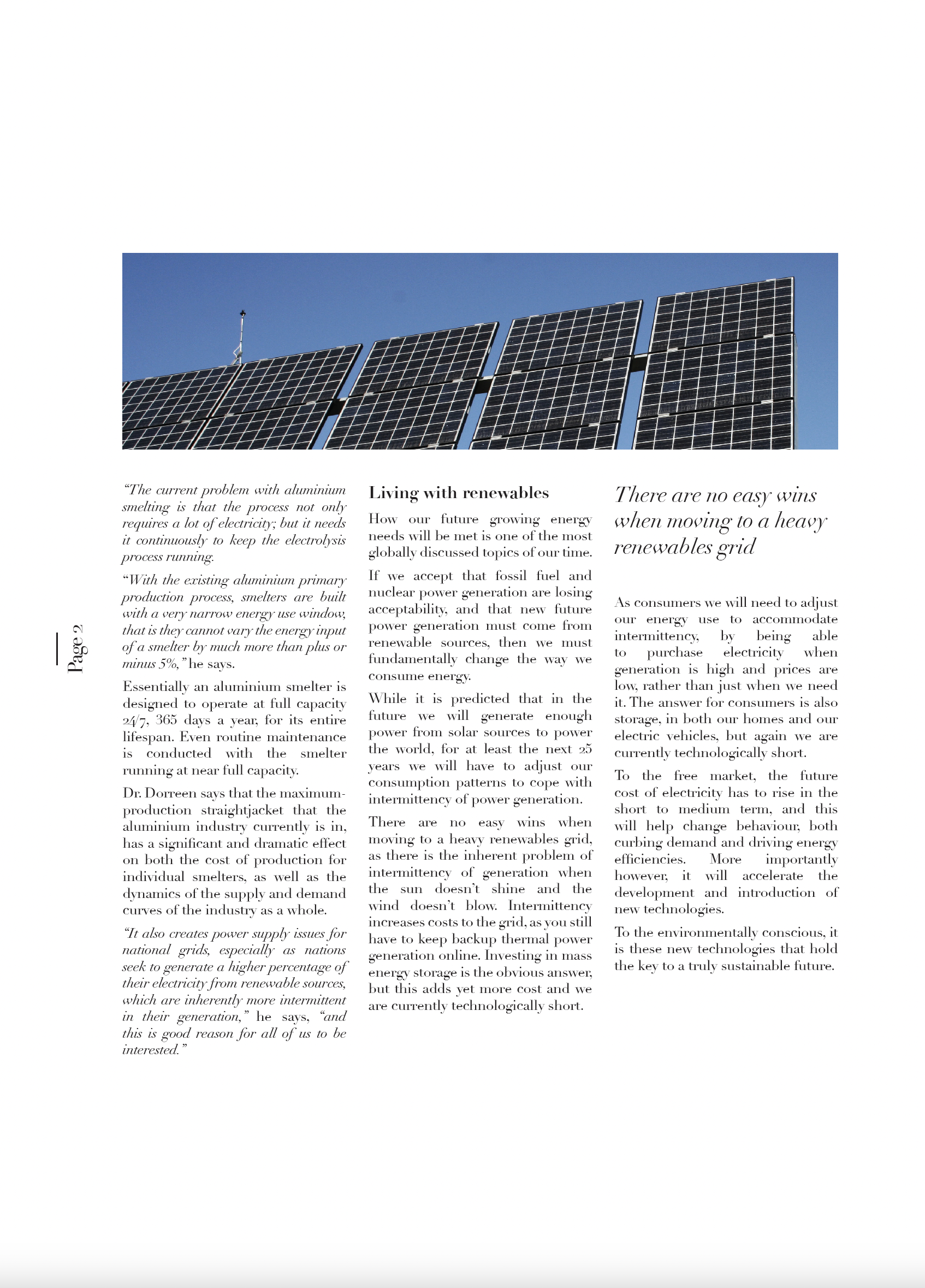
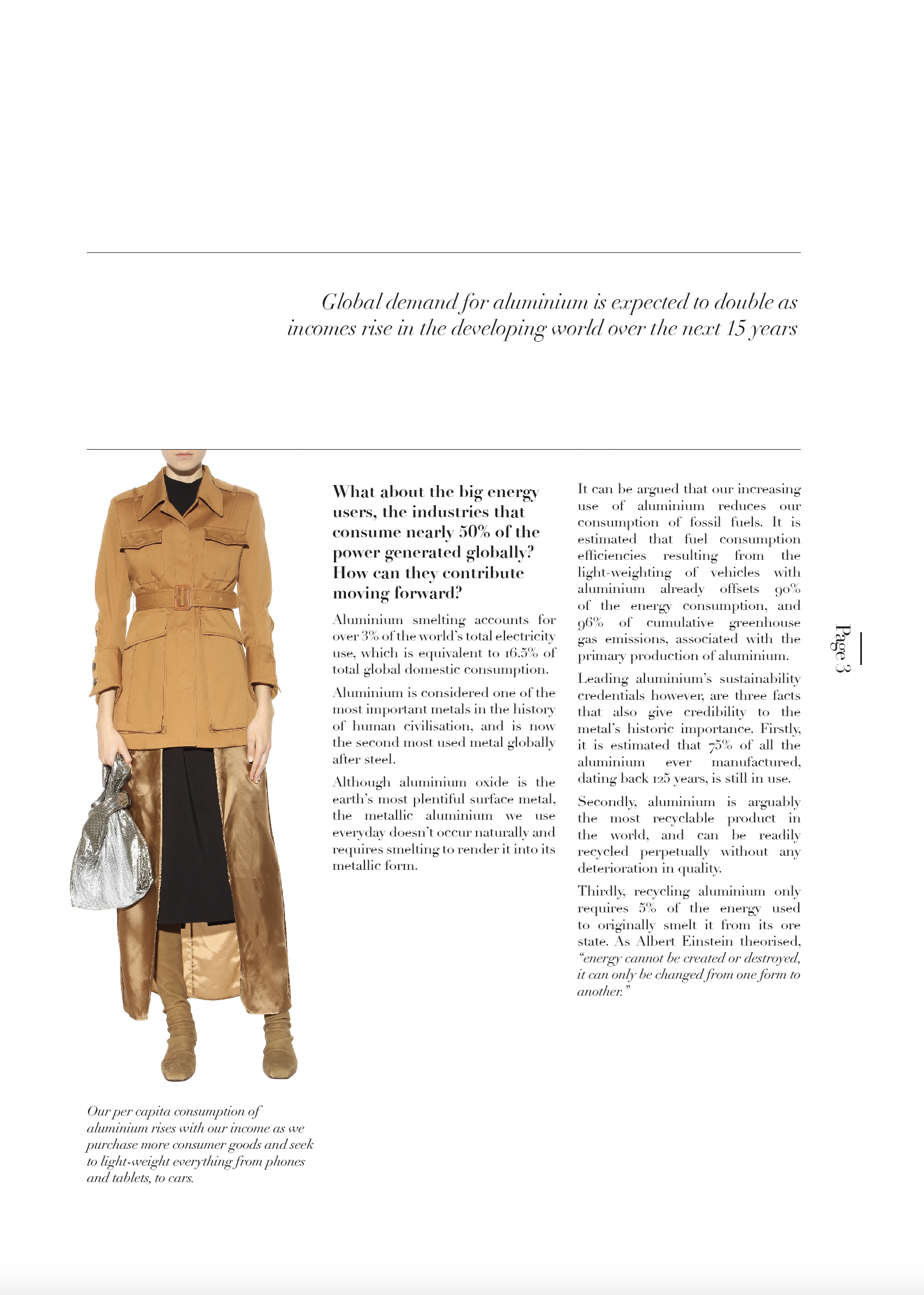
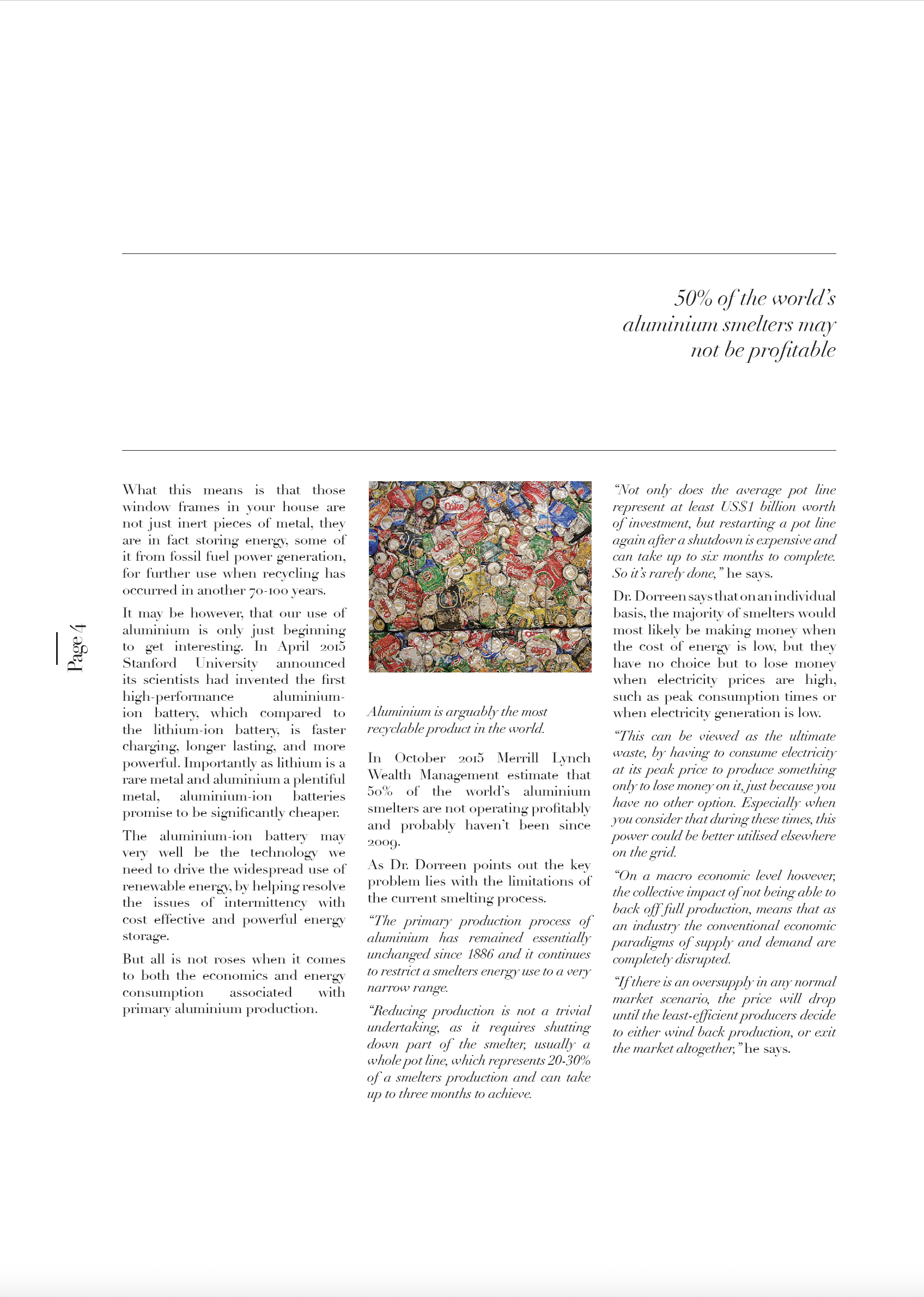
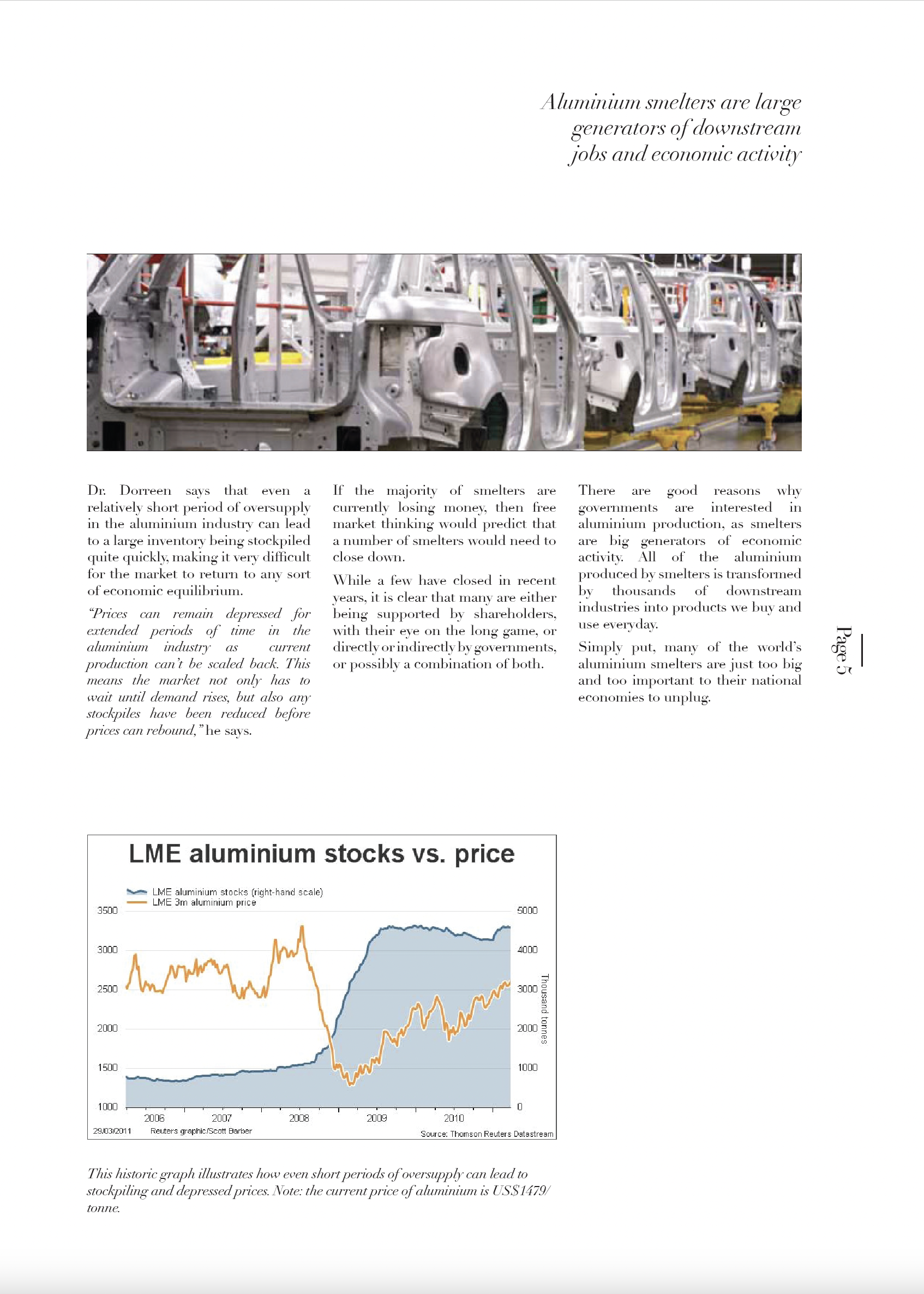
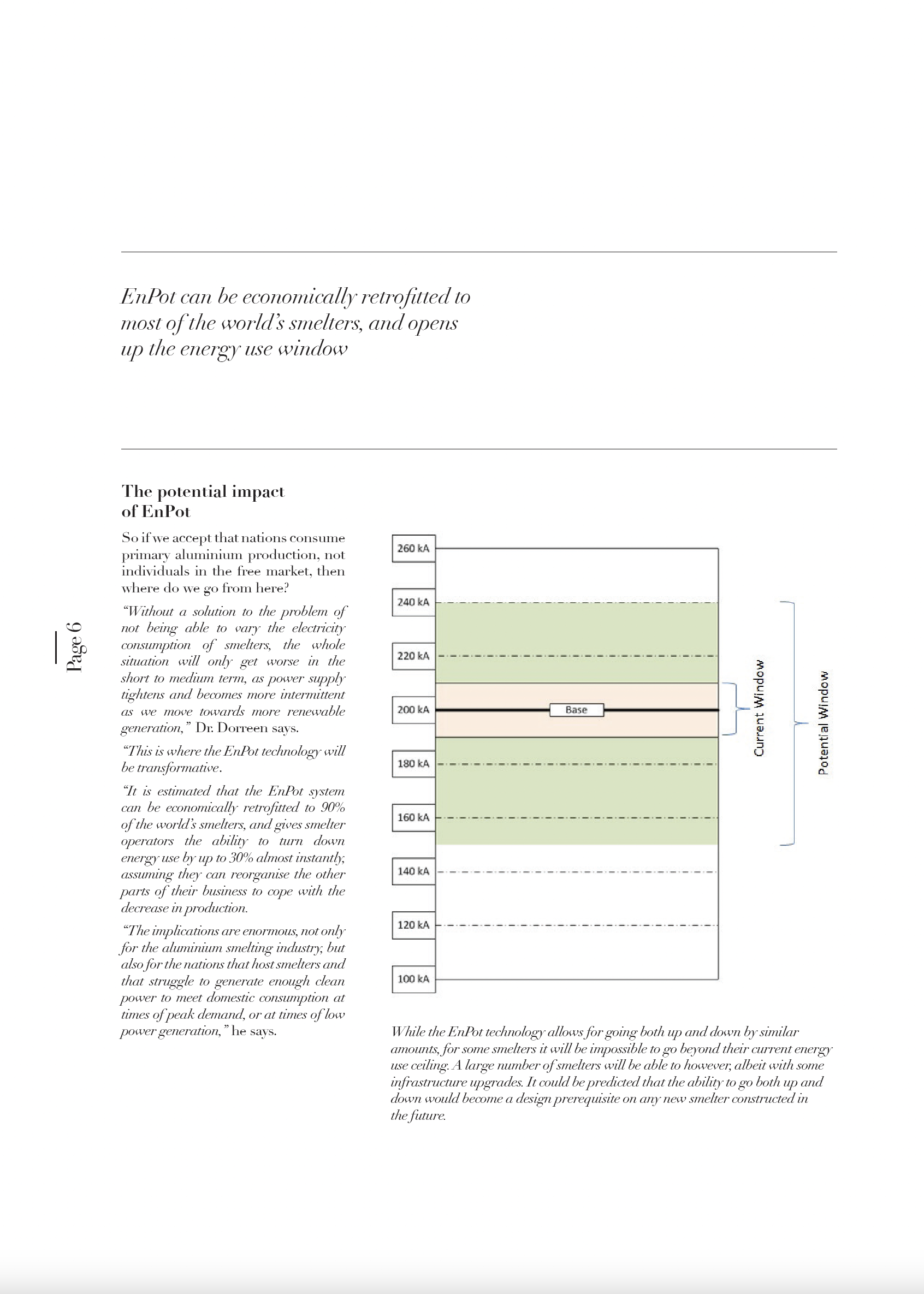
Strong visual sequencing, carefully written captions, and deliberate pacing allowed readers to grasp the idea even if they didn’t read every paragraph. The images carried meaning. The captions carried the spine. The text provided depth for those who wanted it.
Importantly, the work broadened the audience.
It made the technology accessible not just to engineers and investors, but to policymakers and people operating elsewhere in the business and policy ecosystem — those who needed to understand its role and relevance, even if they would never touch the technology directly.
This project is a clear example of the discipline required to truly understand complex technology — and then translate that understanding into brand storytelling that a layperson can follow, engage with, and trust.
The captions carried the spine of the story and the visuals did real explanatory work
Story turned complexity into something investors could understand and value
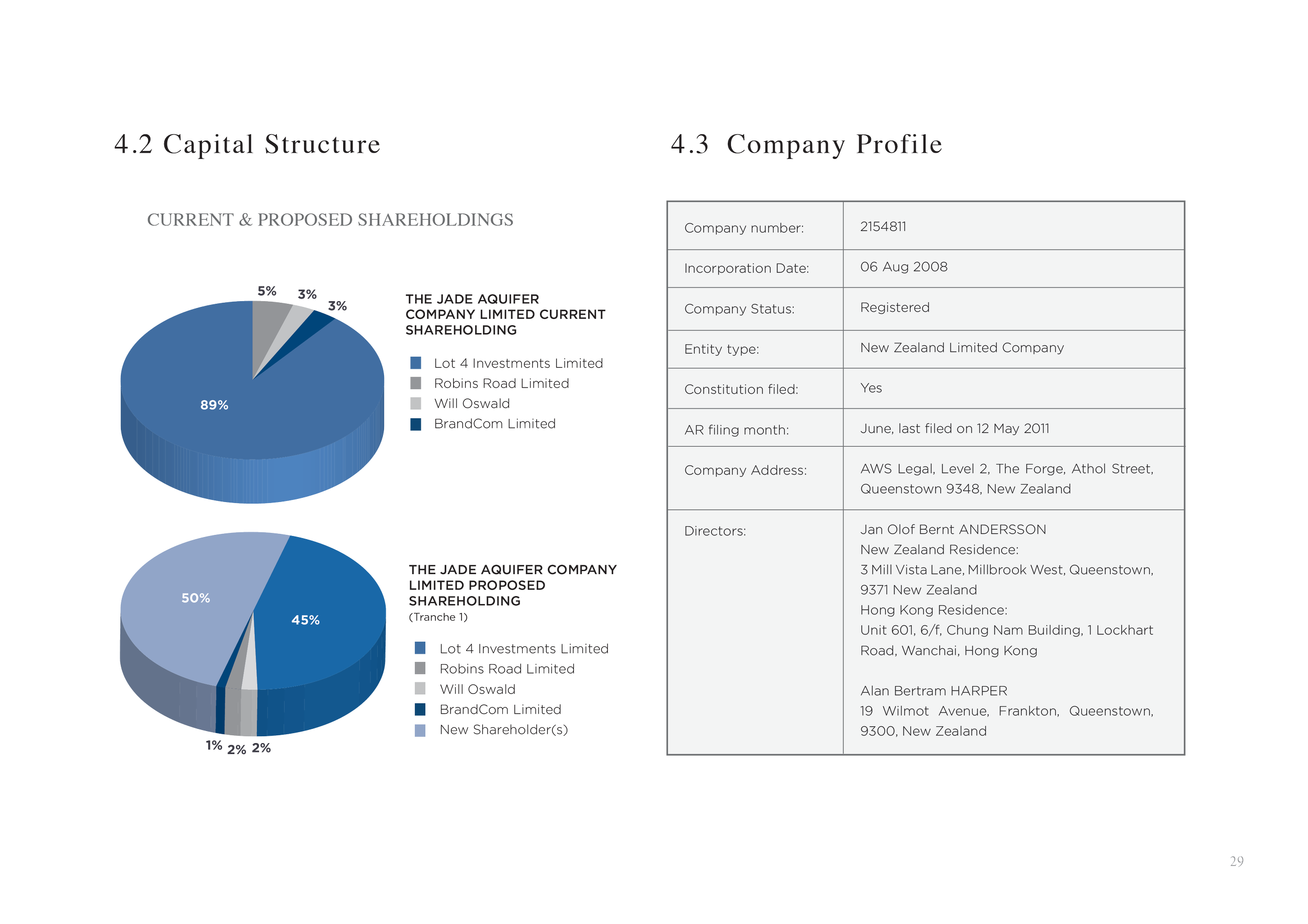
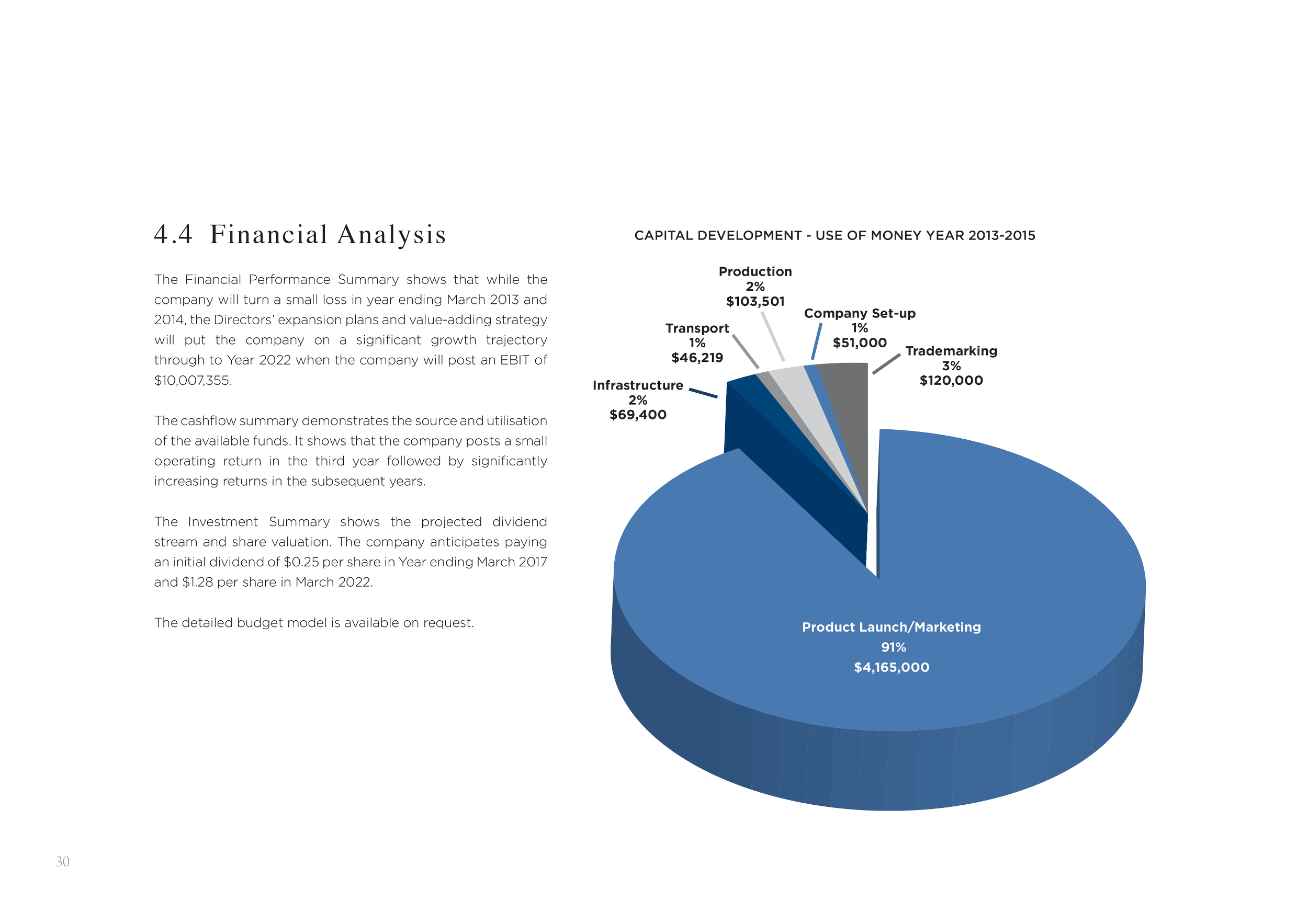
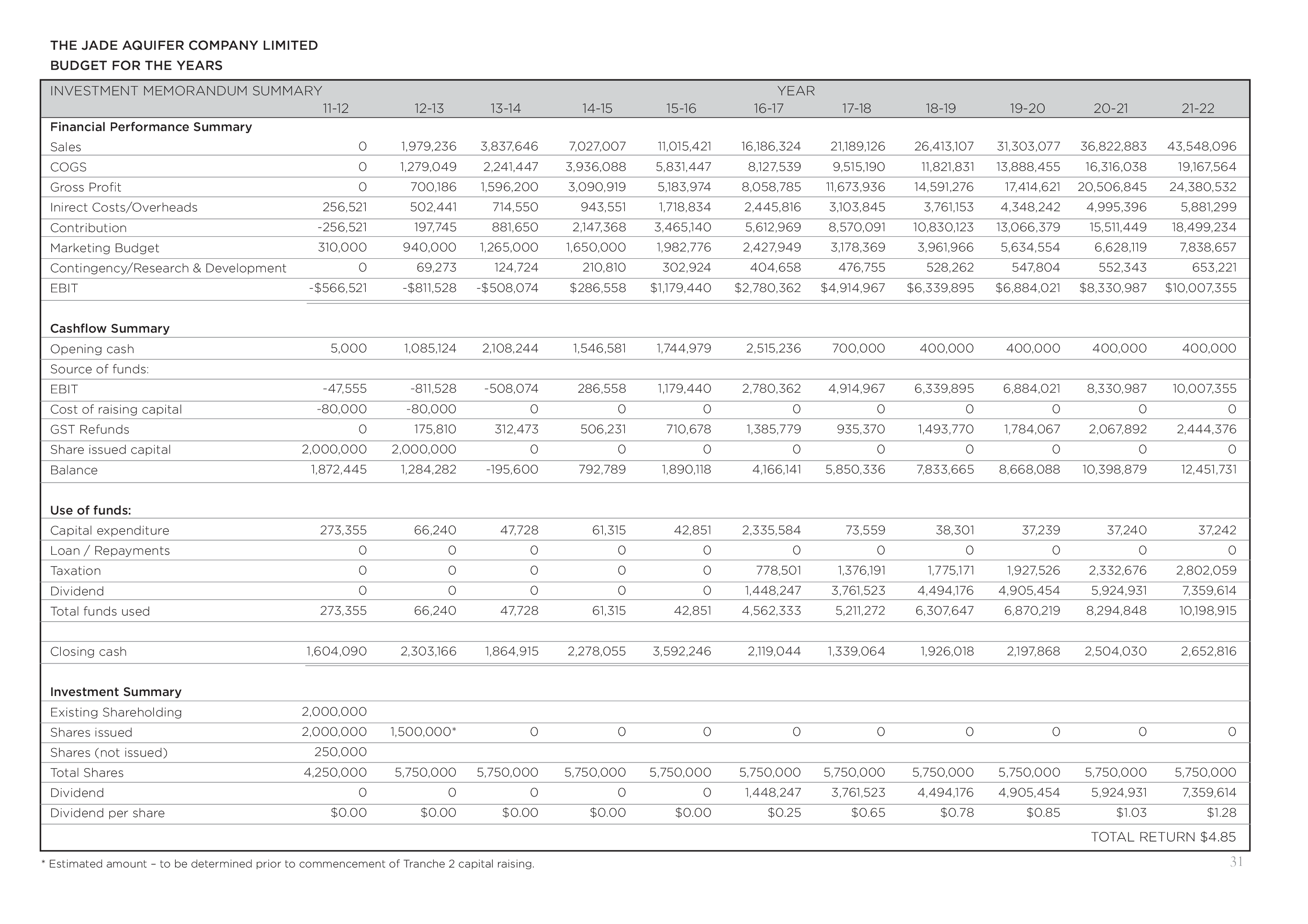
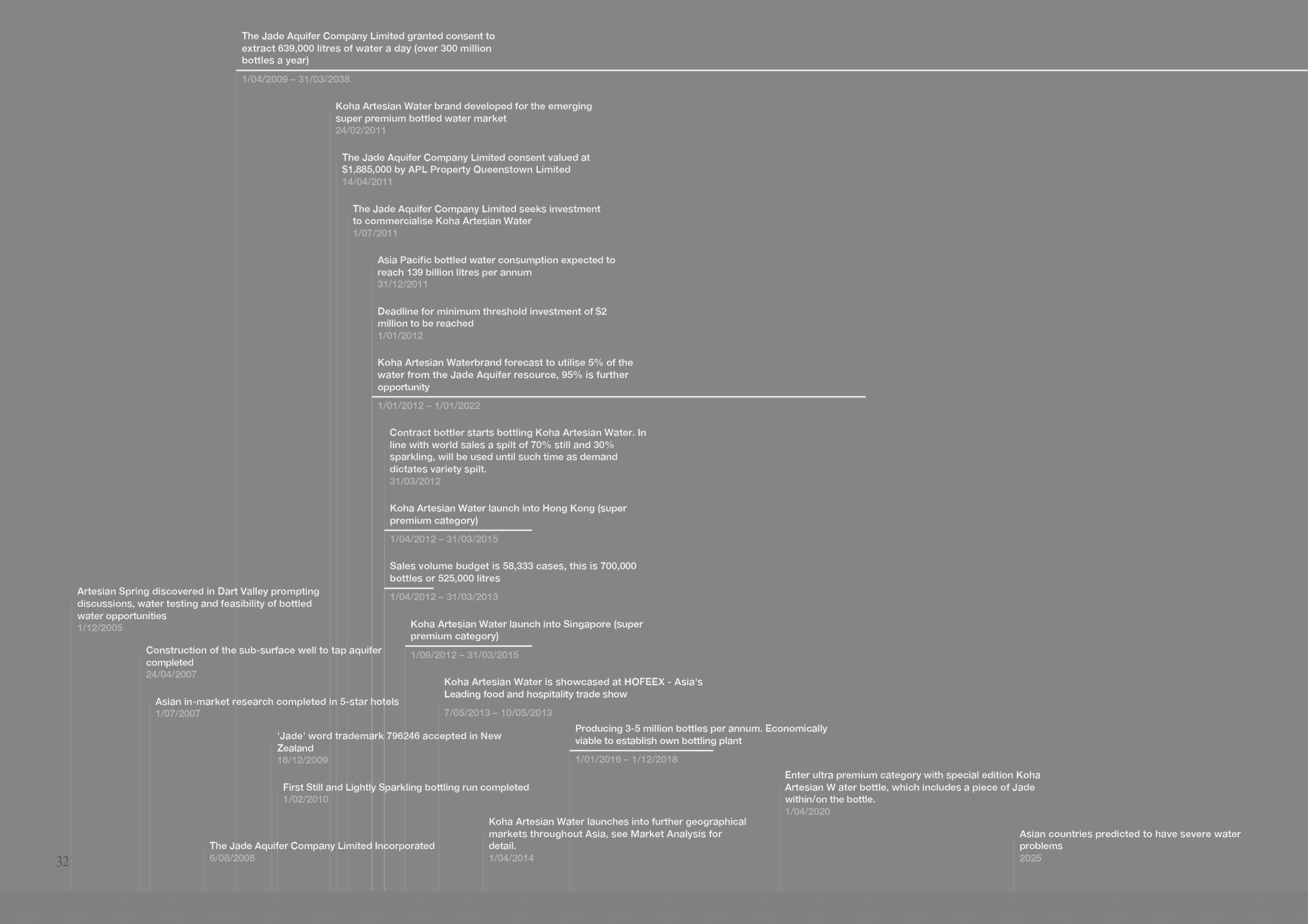
Jade Aquifer Company - Information Memorandum
The creative work helped carry the narrative, reinforce credibility, and make complex ideas feel accessible and considered.
At the time, BrandCom was applying the same storytelling discipline used in brand and organisational work to ventures involving capital formation and long-horizon thinking.
Information memoranda became an extension of brand strategy, translating complexity into clarity and giving structure to decision-making.
The Jade Aquifer project reflects a consistent belief: when strategy and storytelling lead, creative execution follows with purpose, and together they become part of the organising structure of a venture.
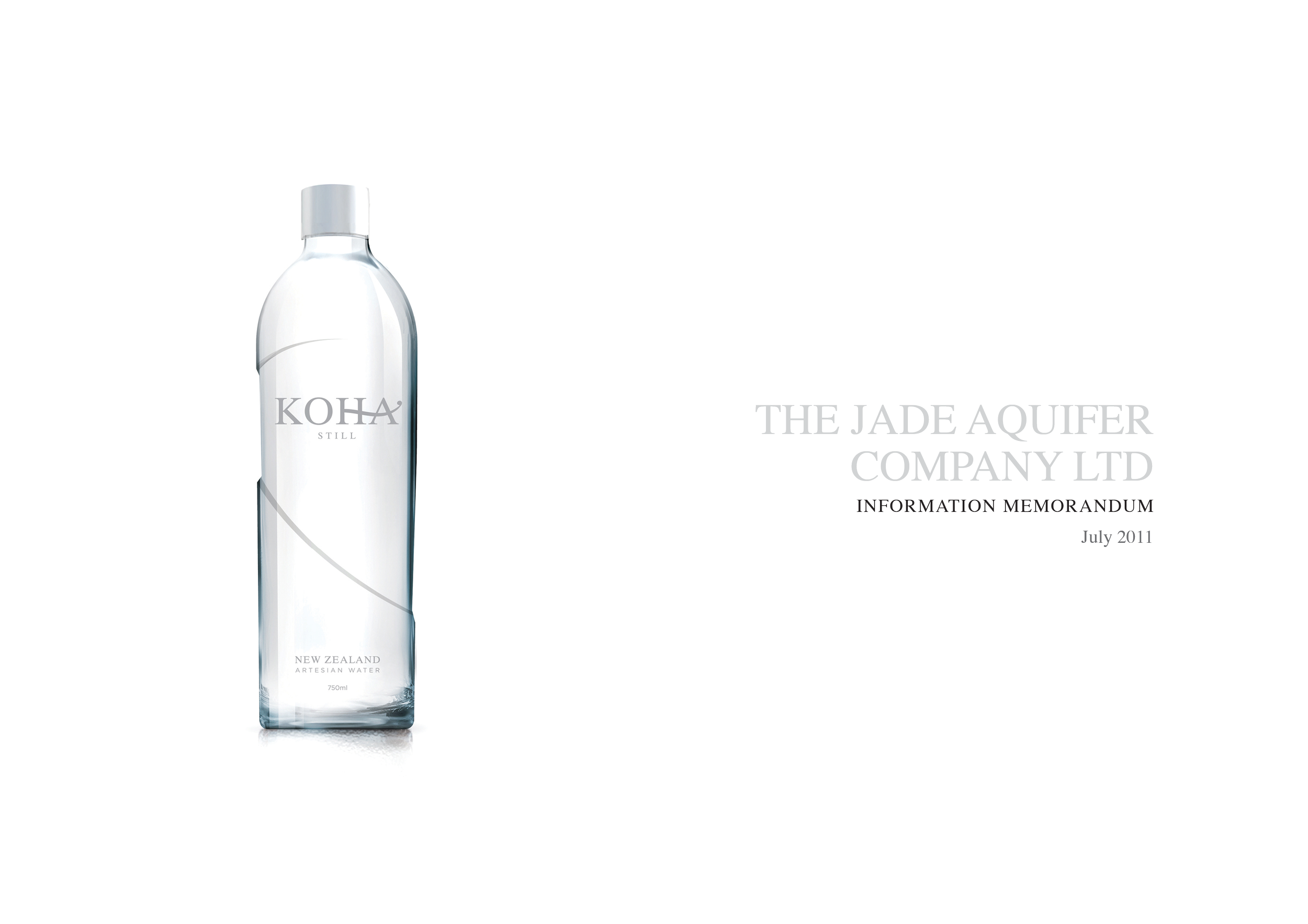
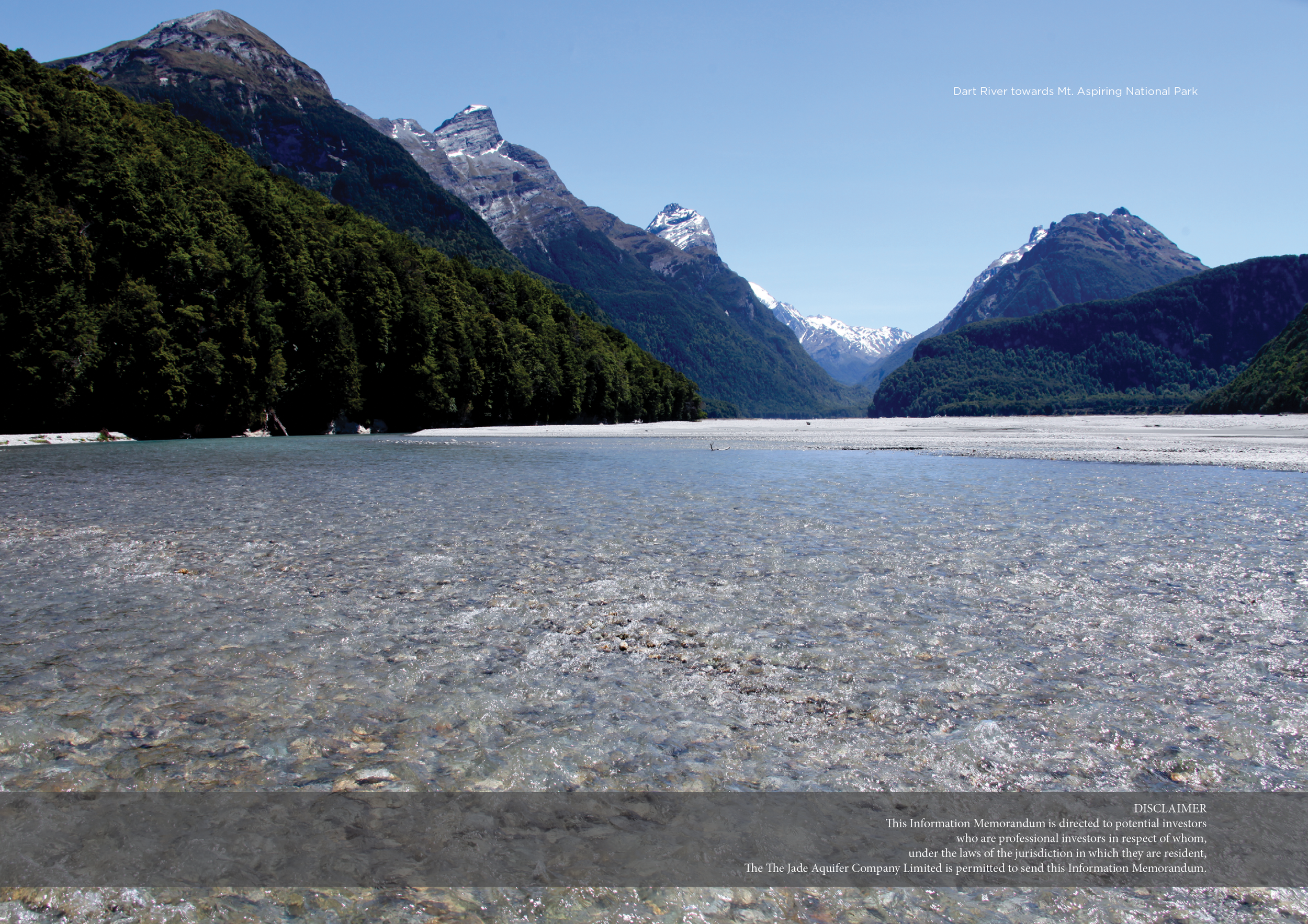
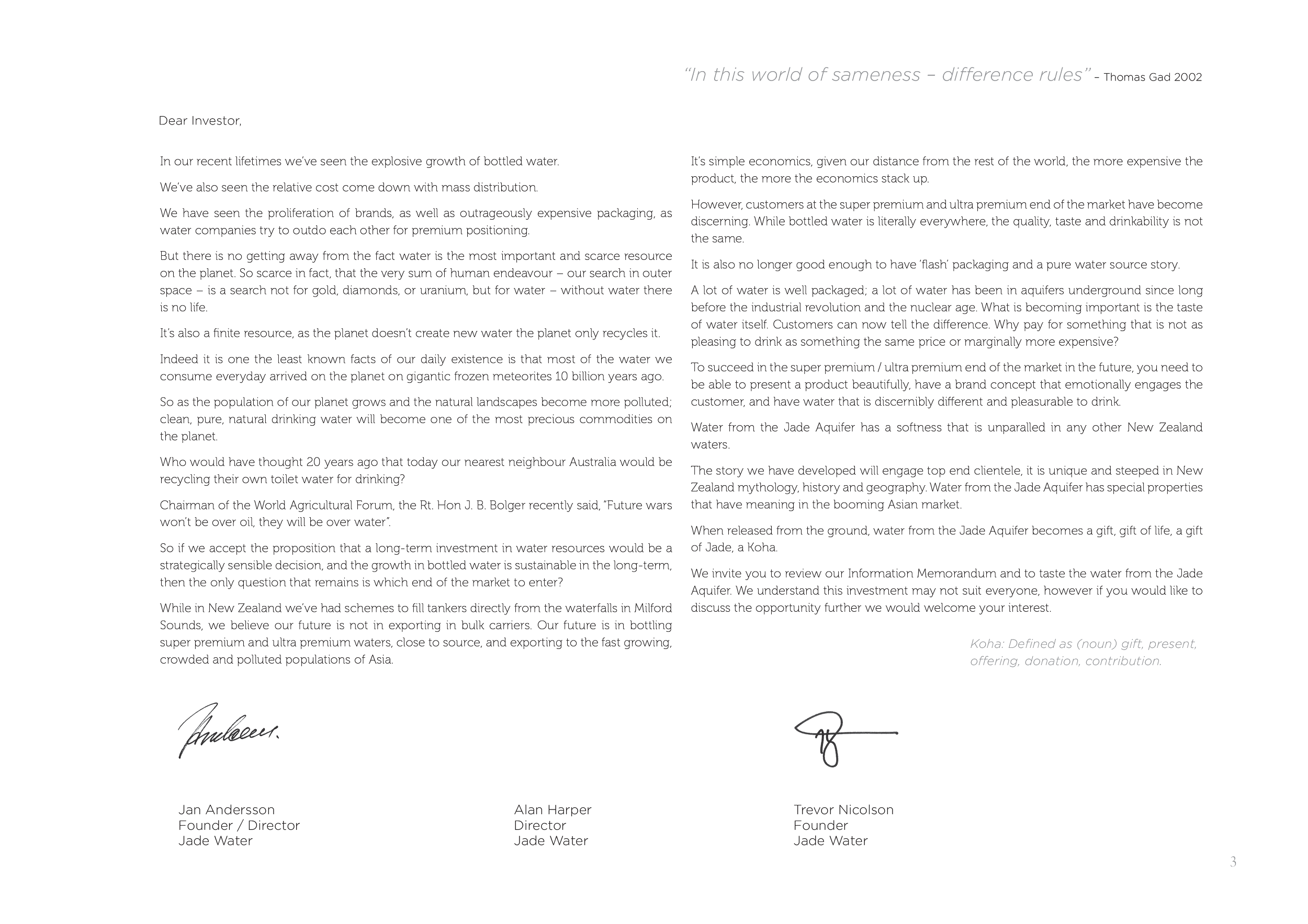
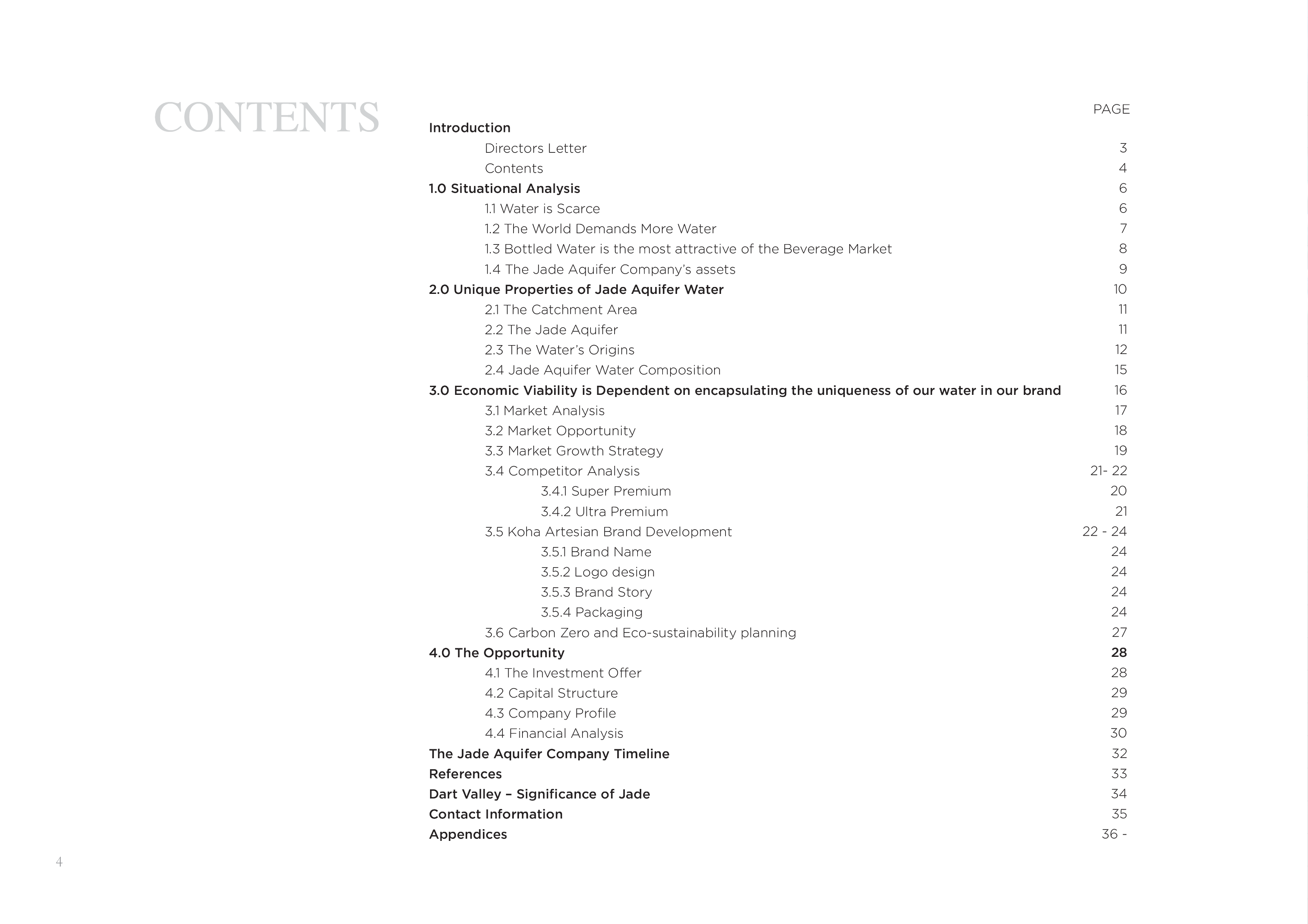
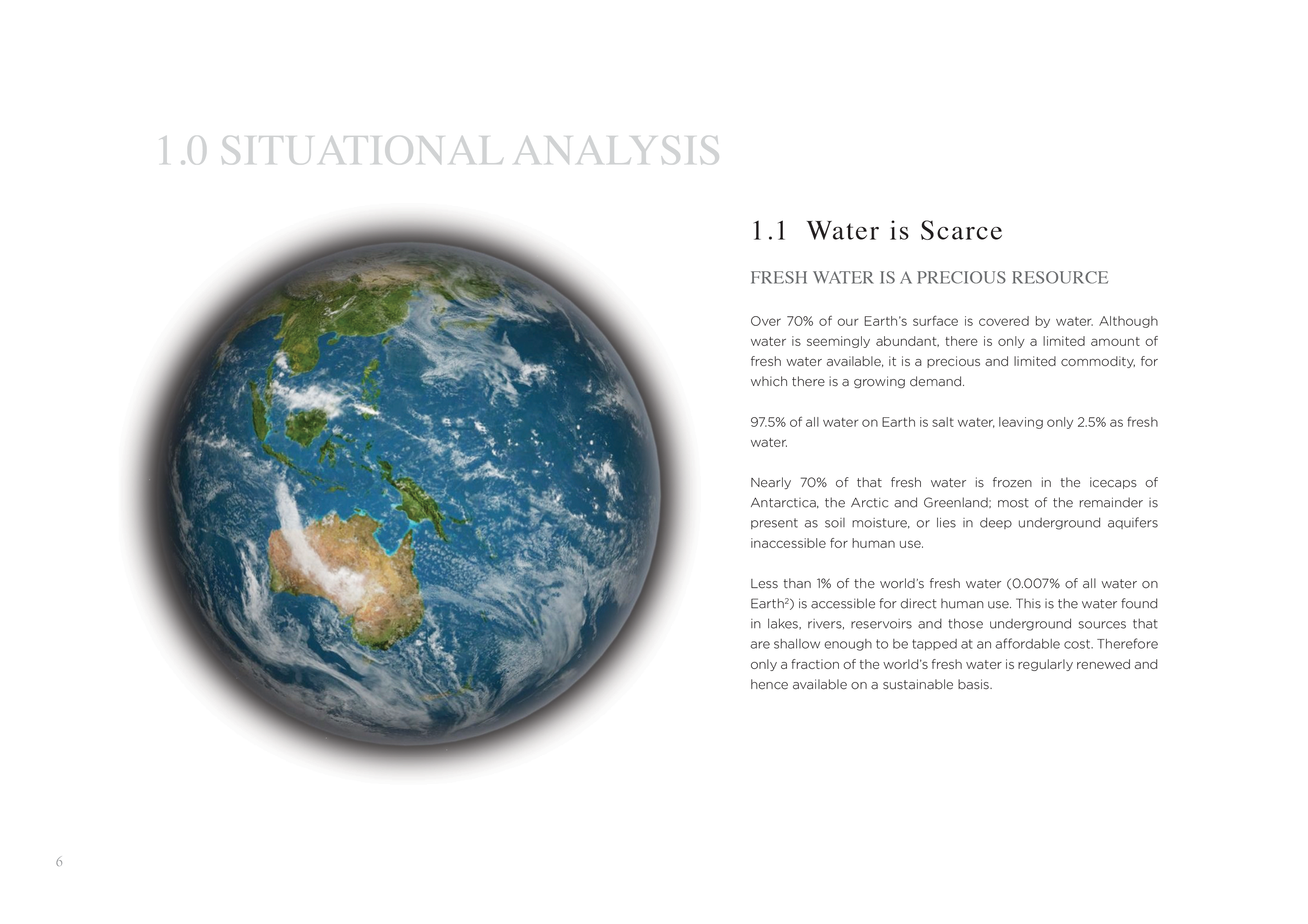
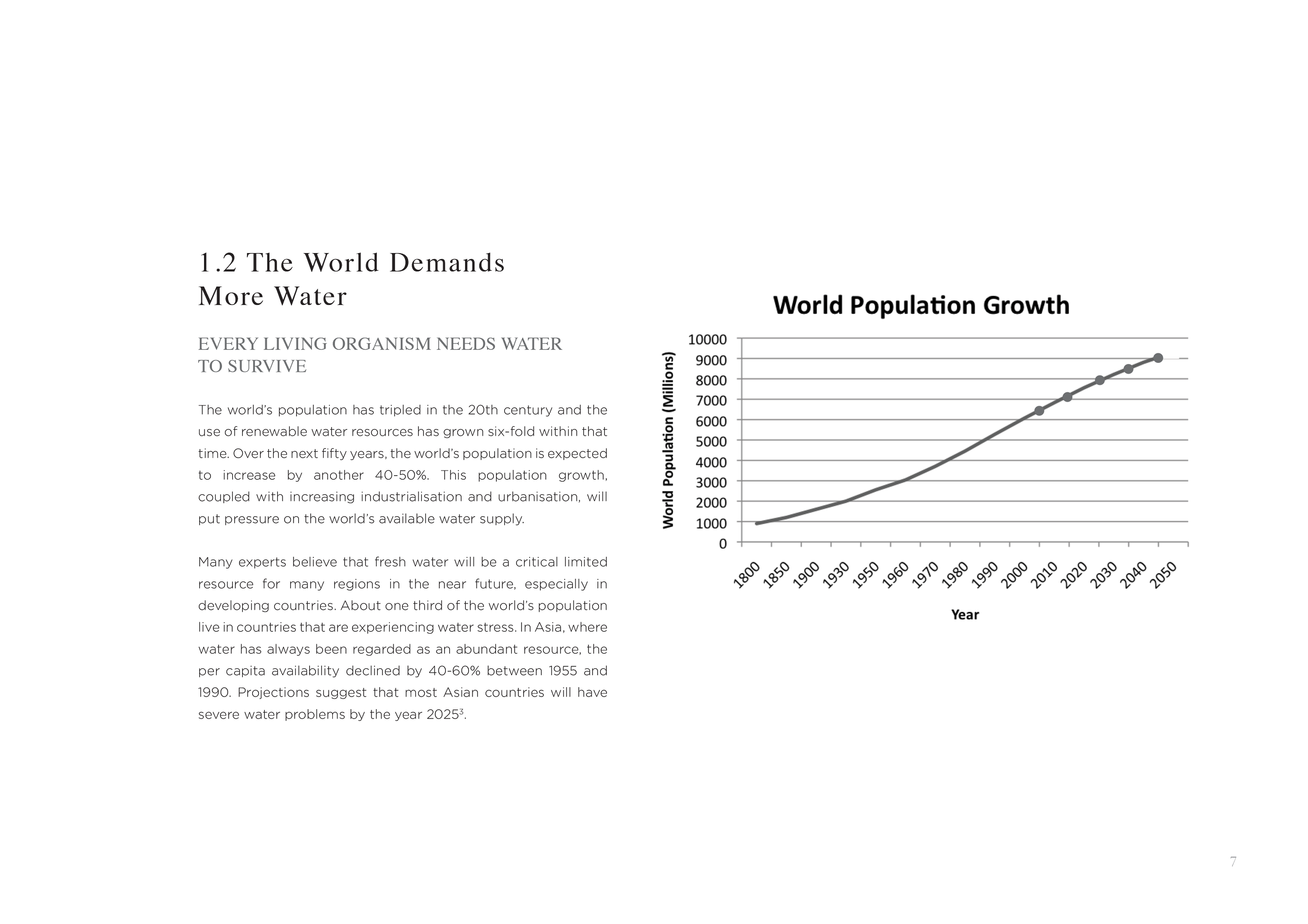
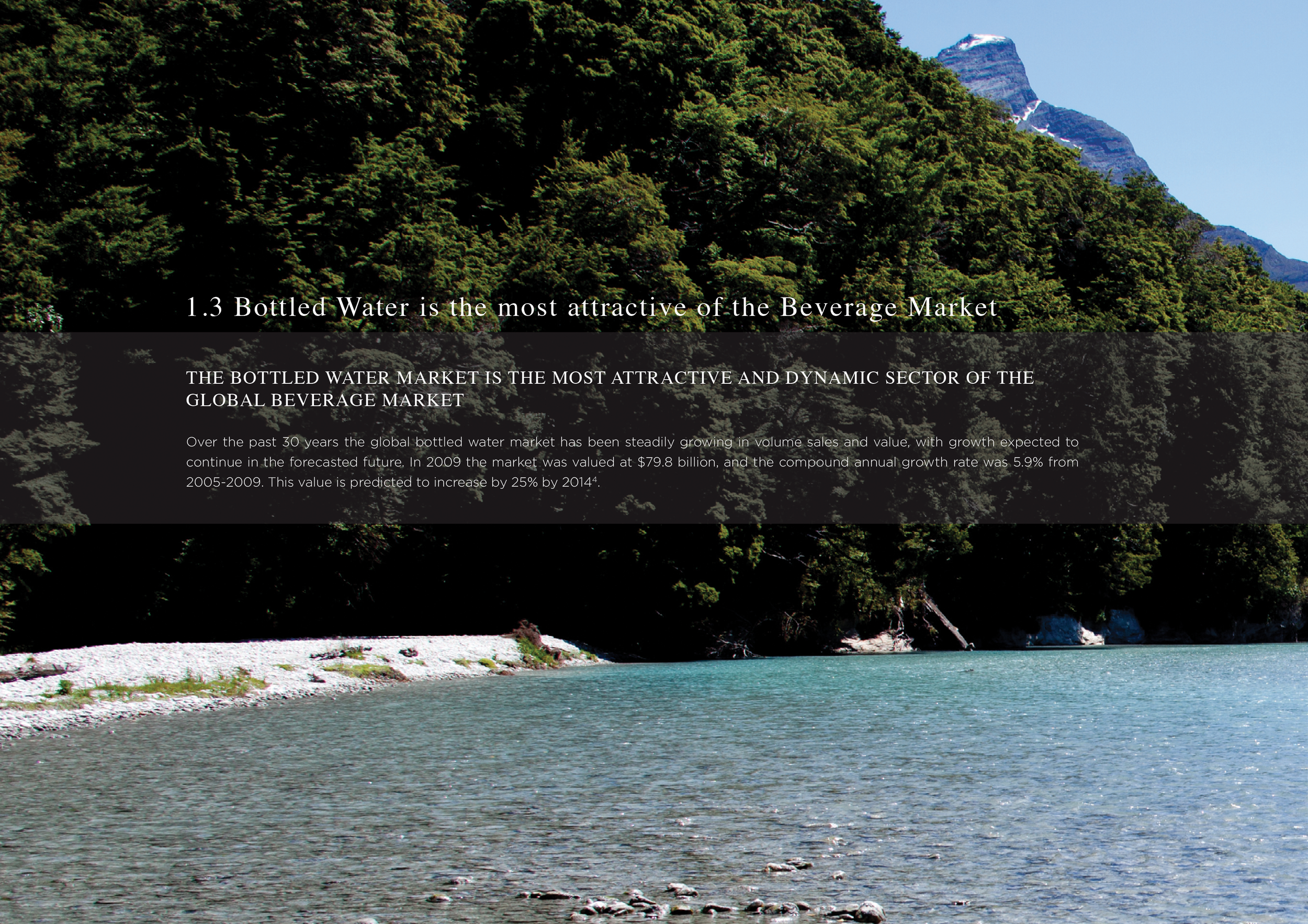
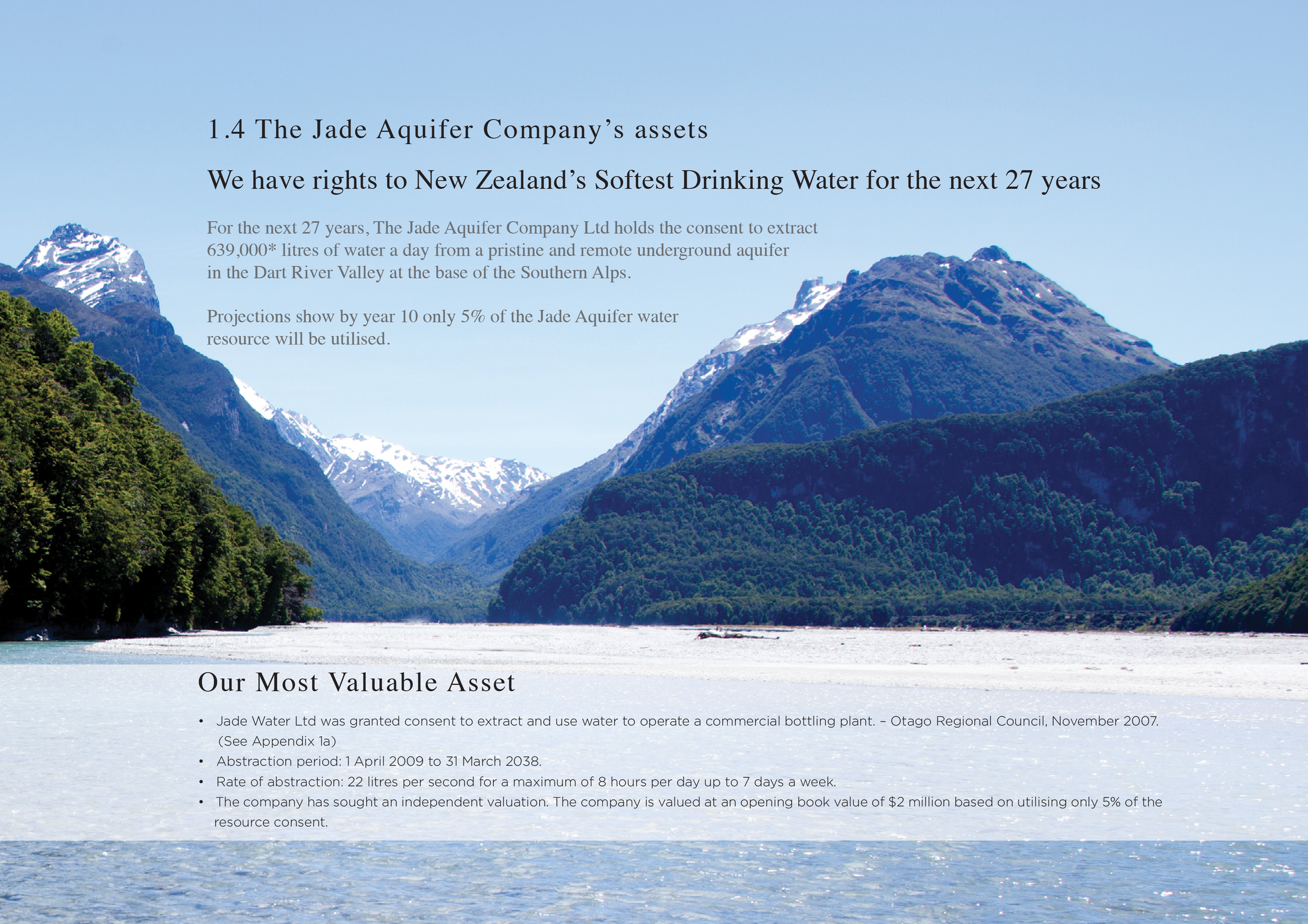
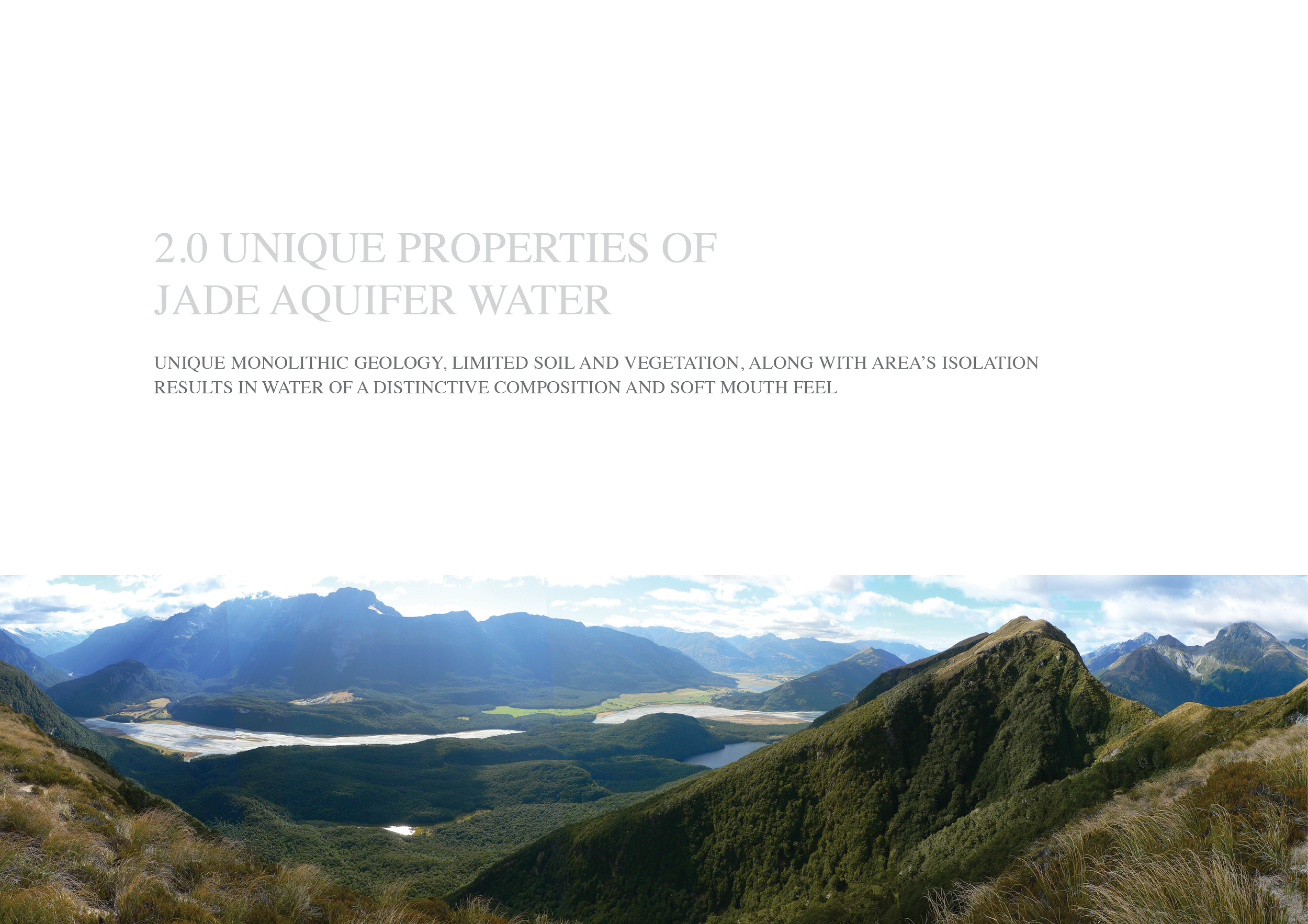
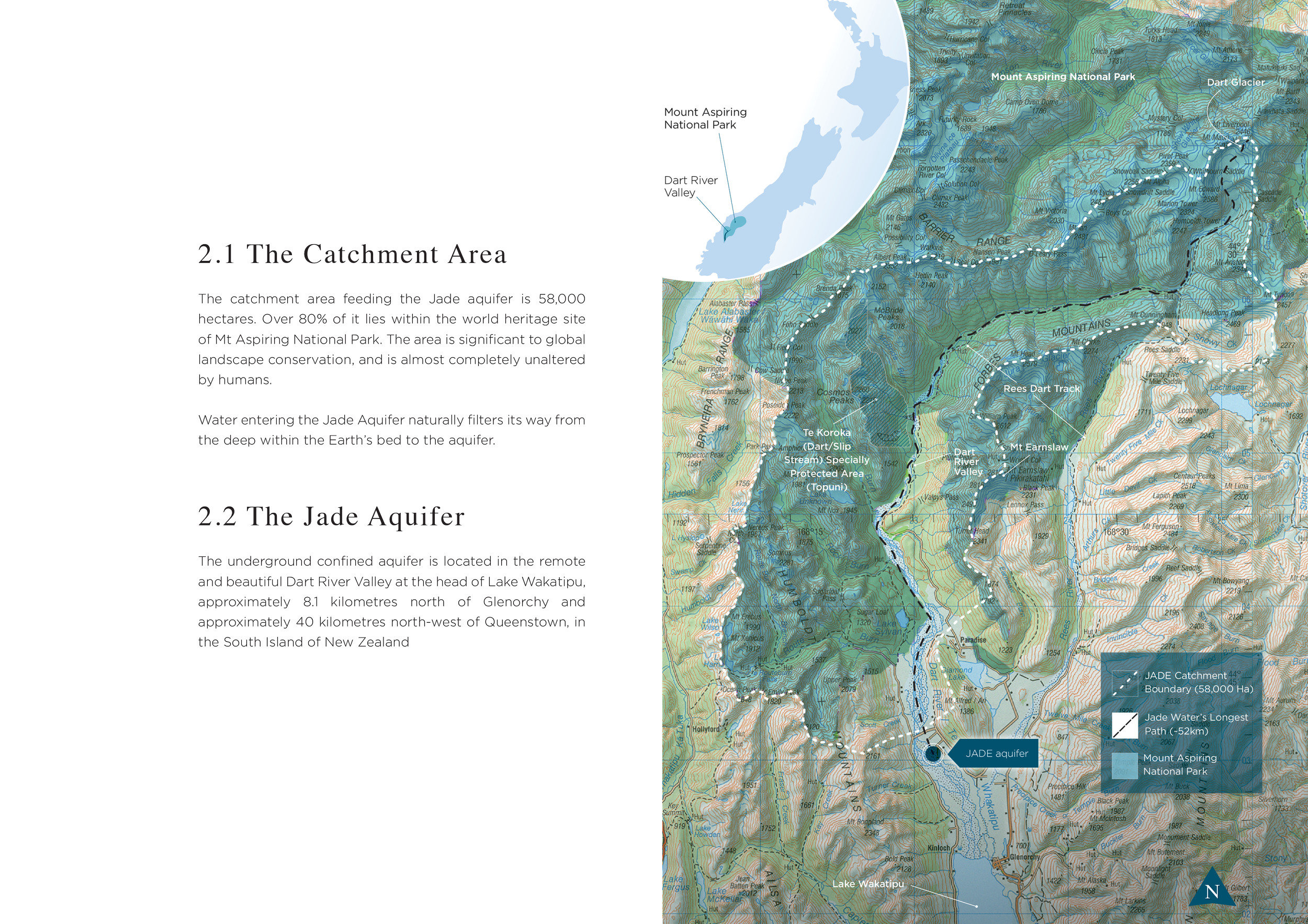
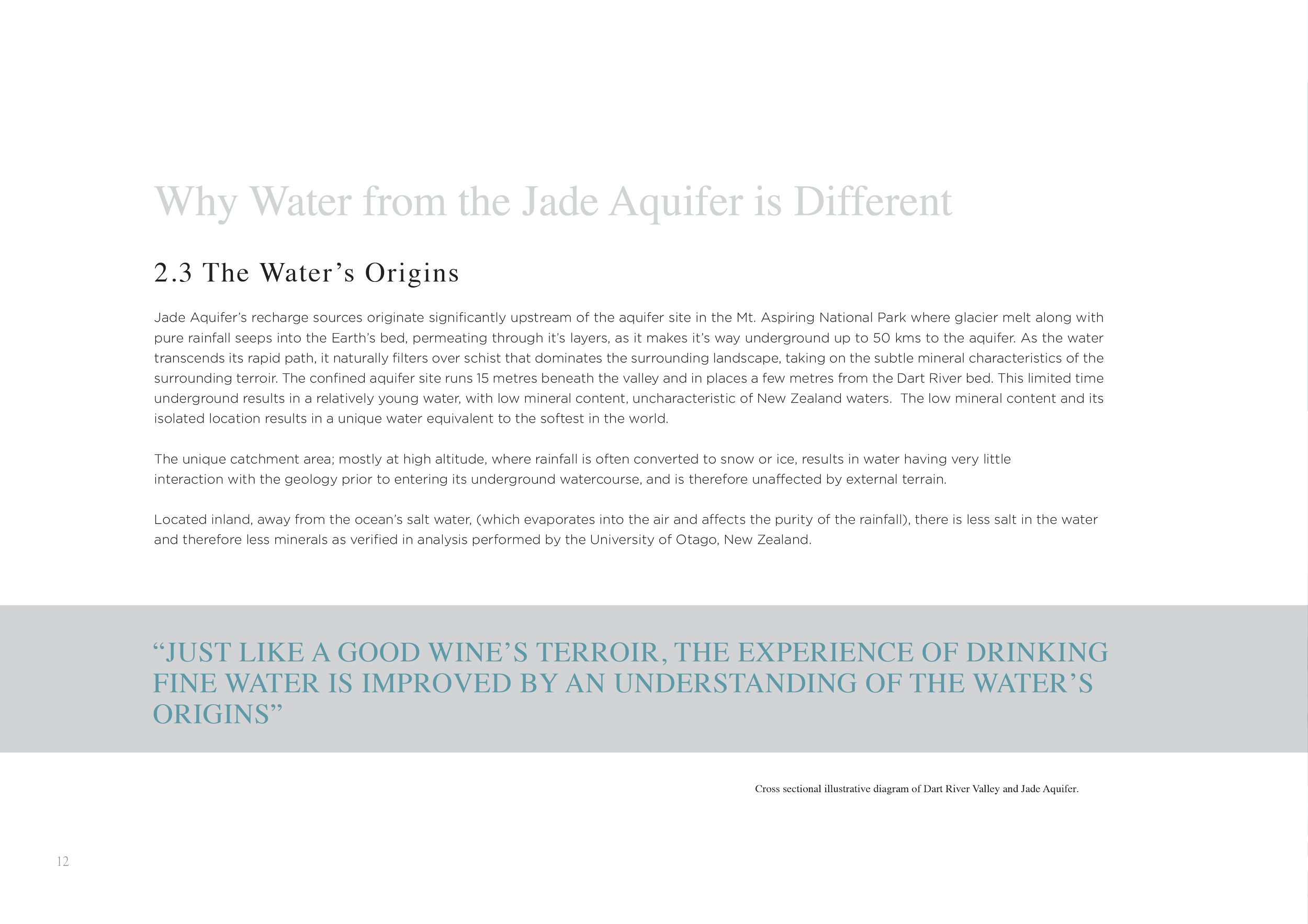
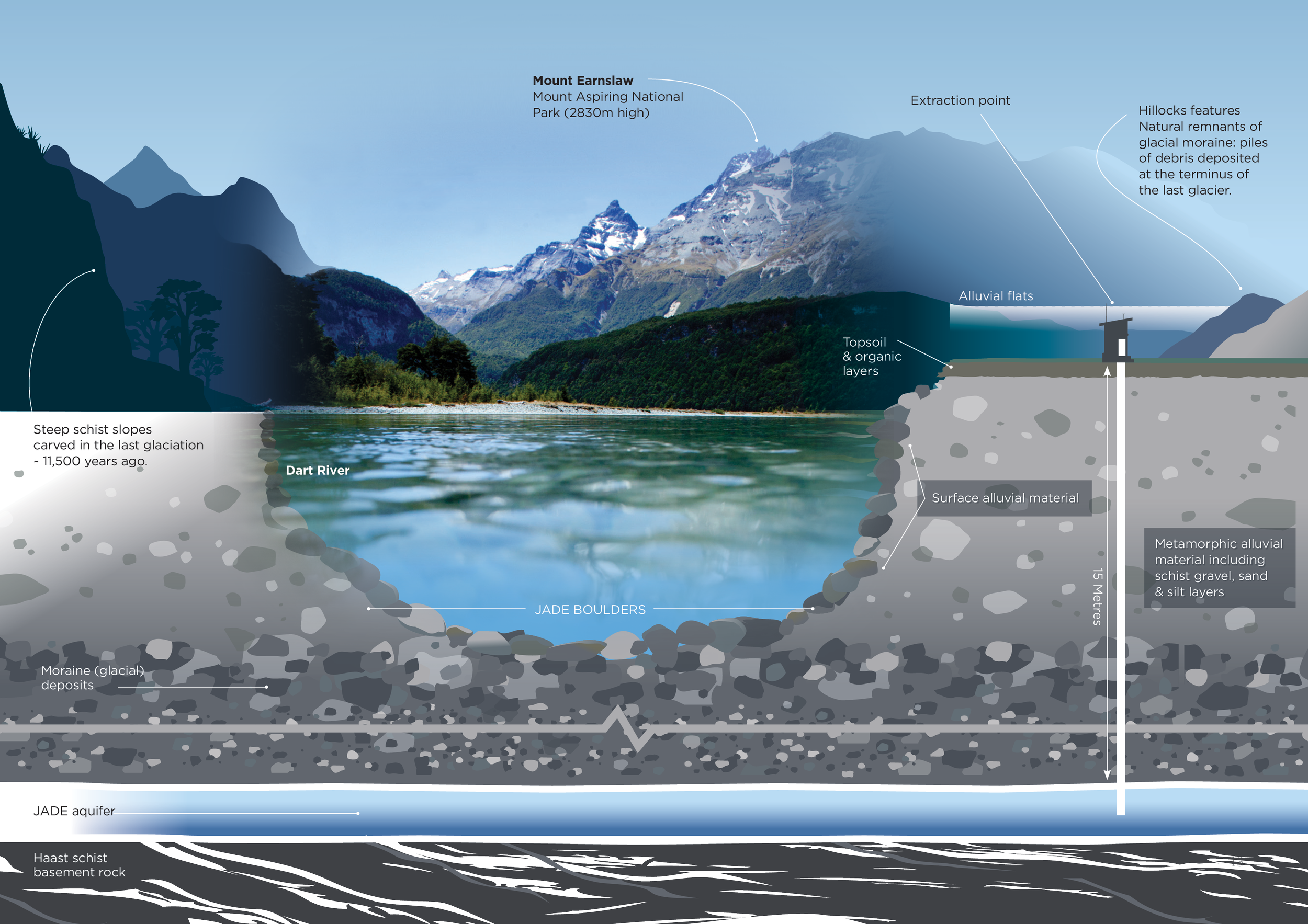
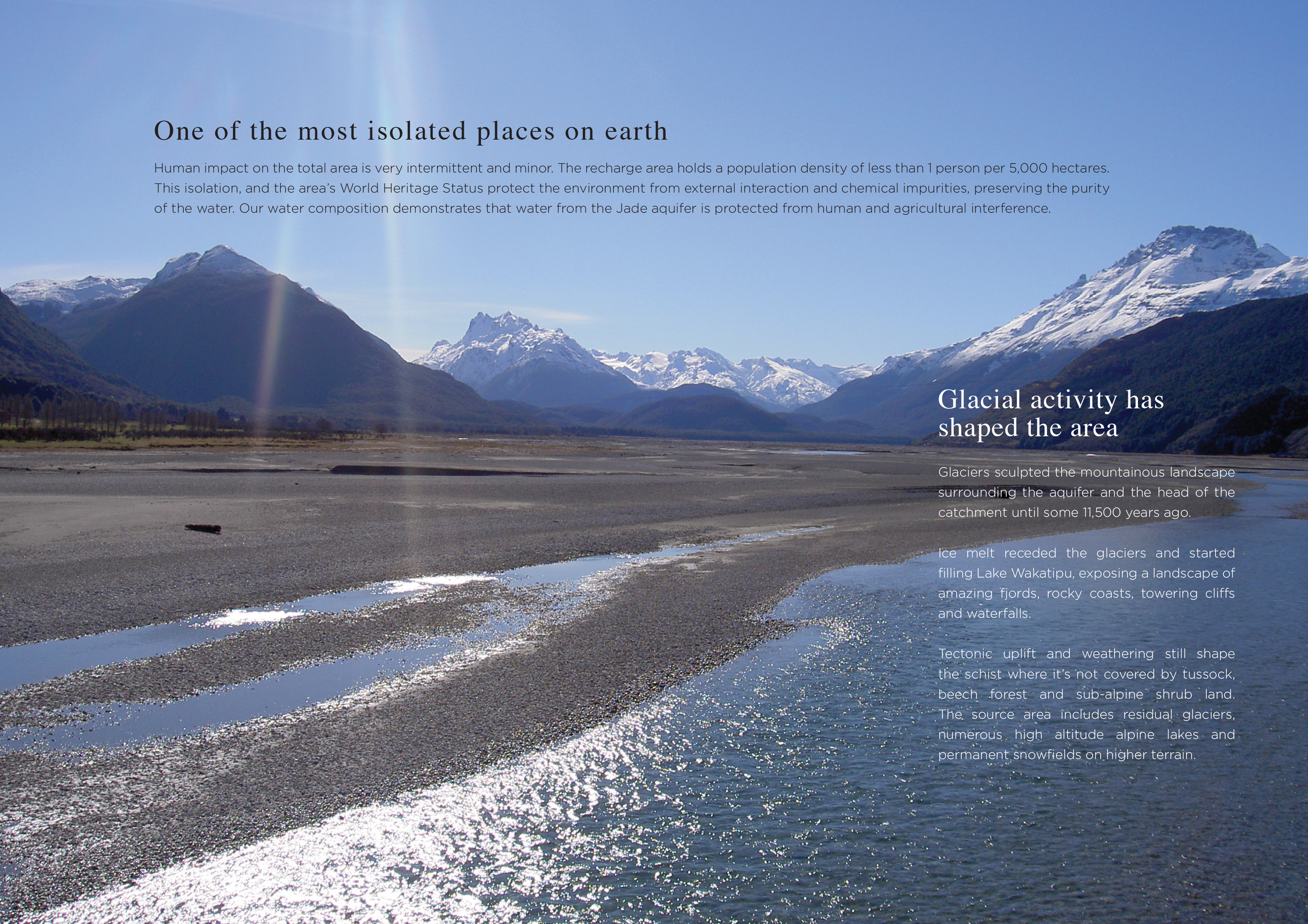
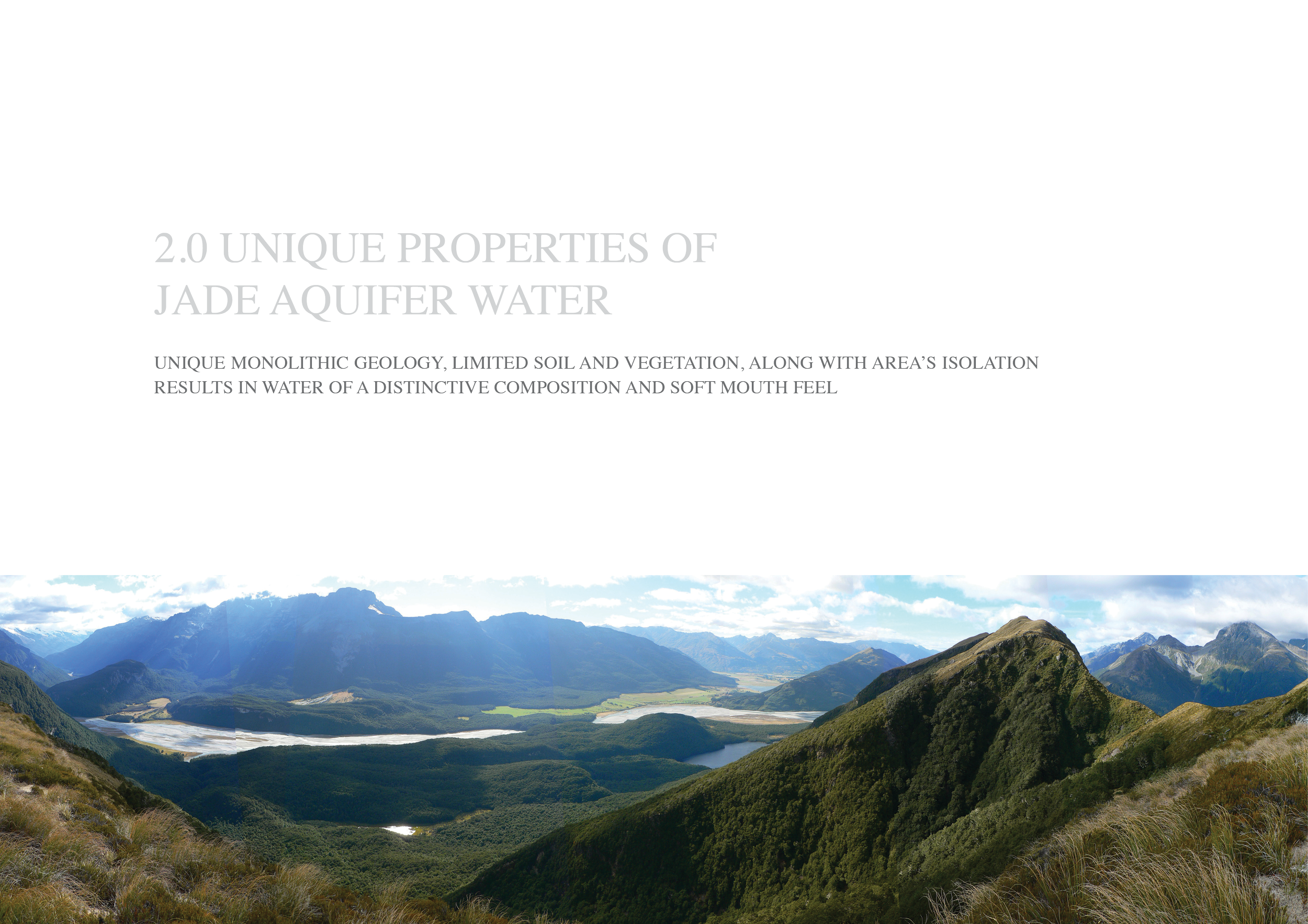
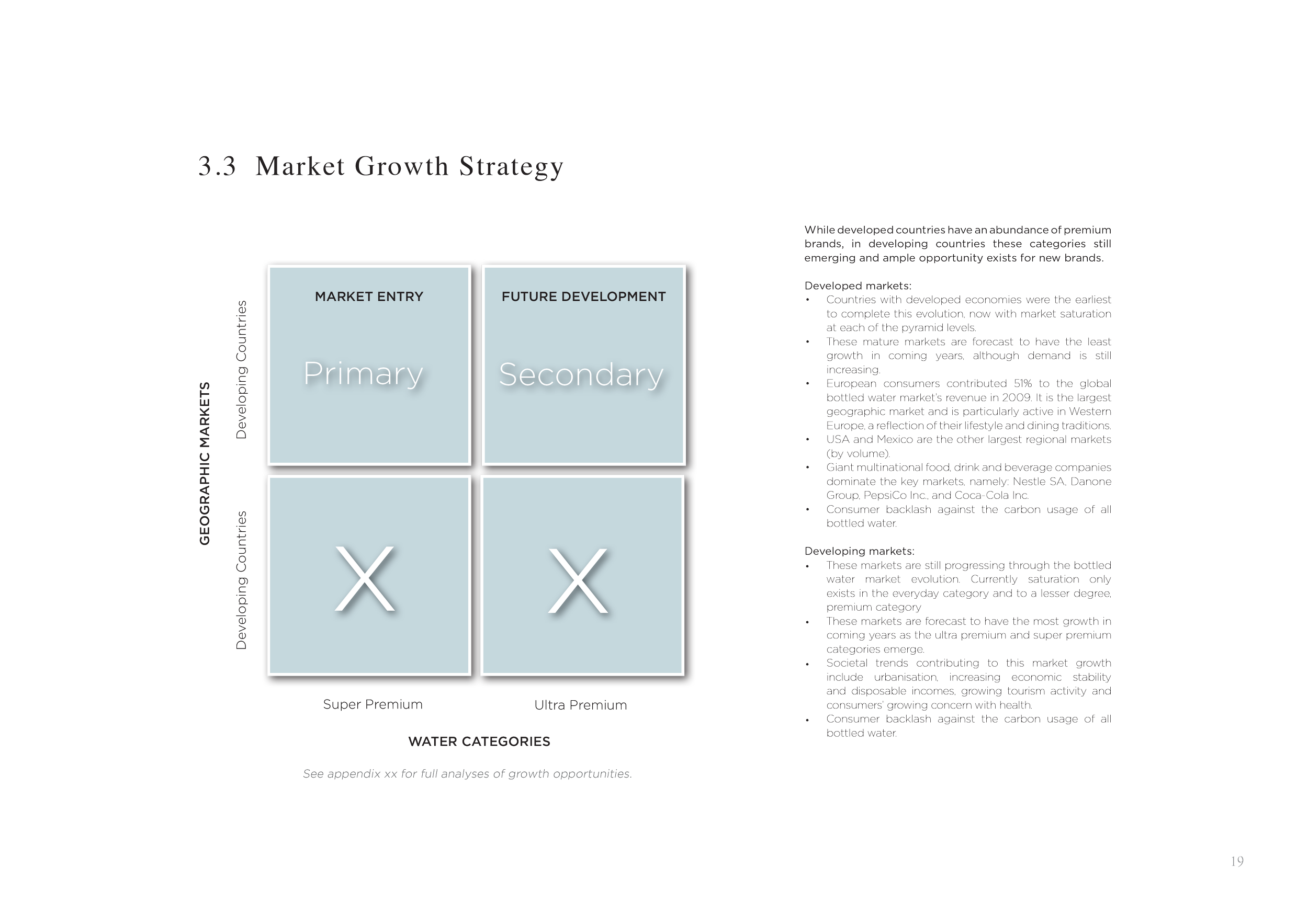
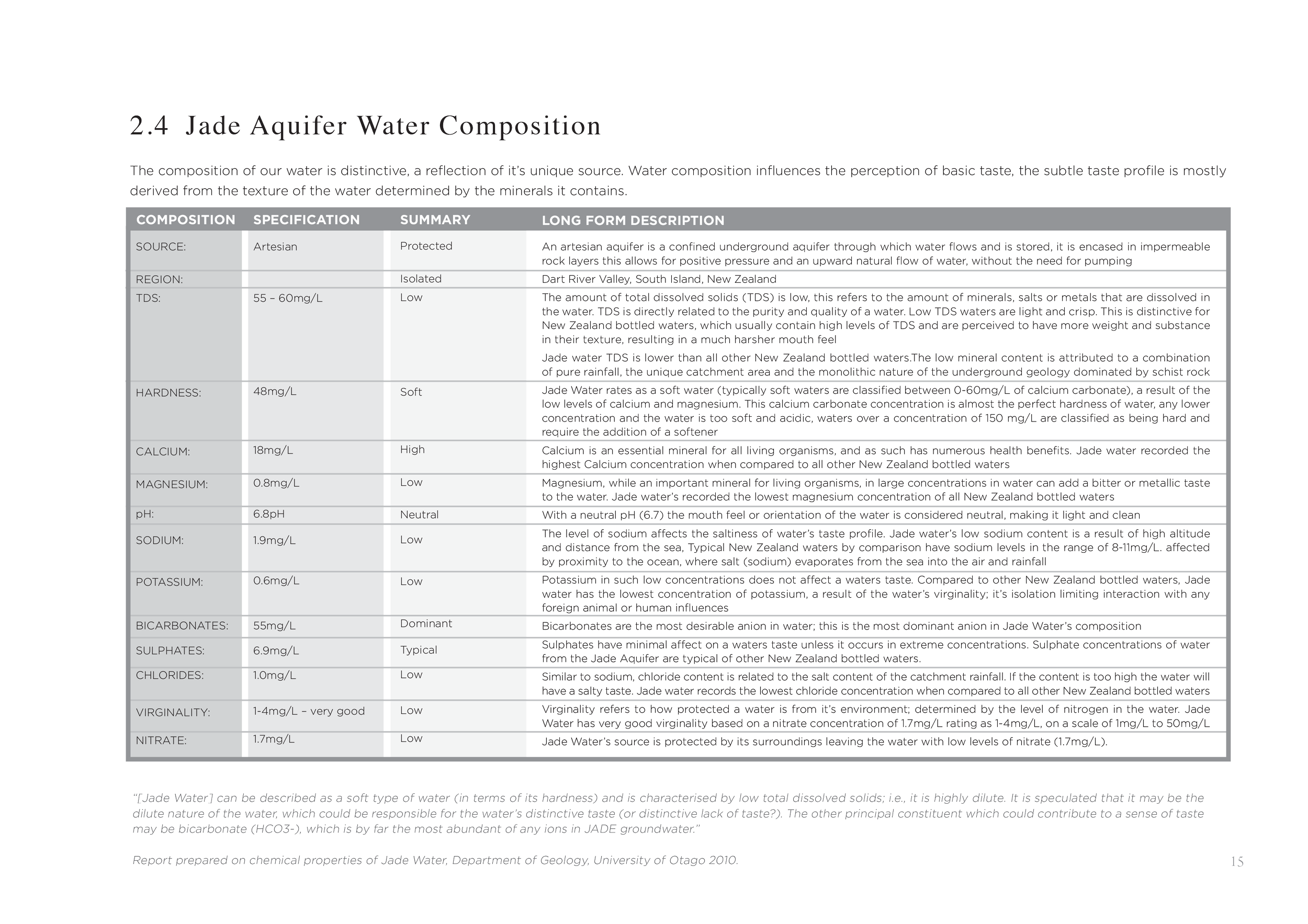
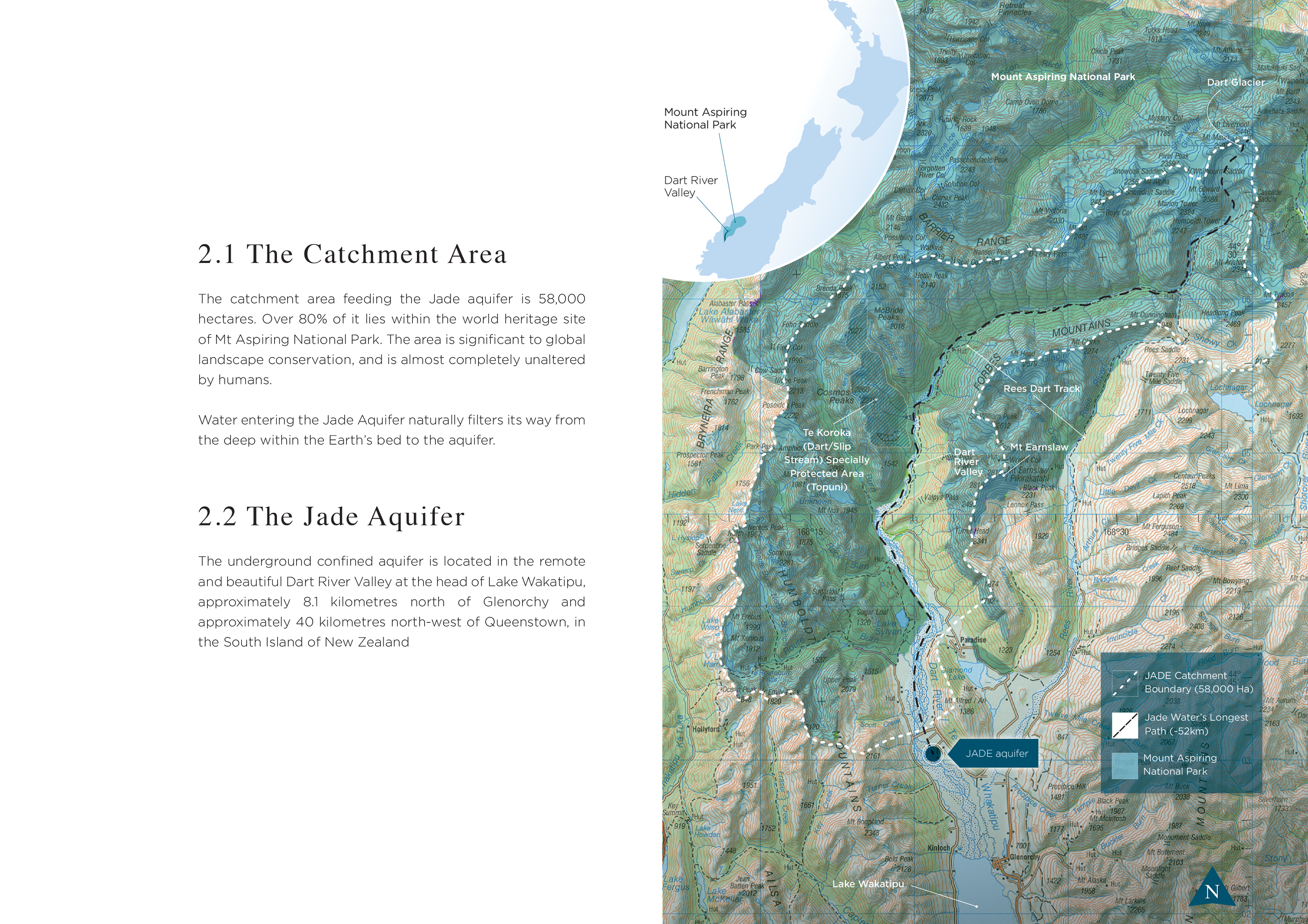
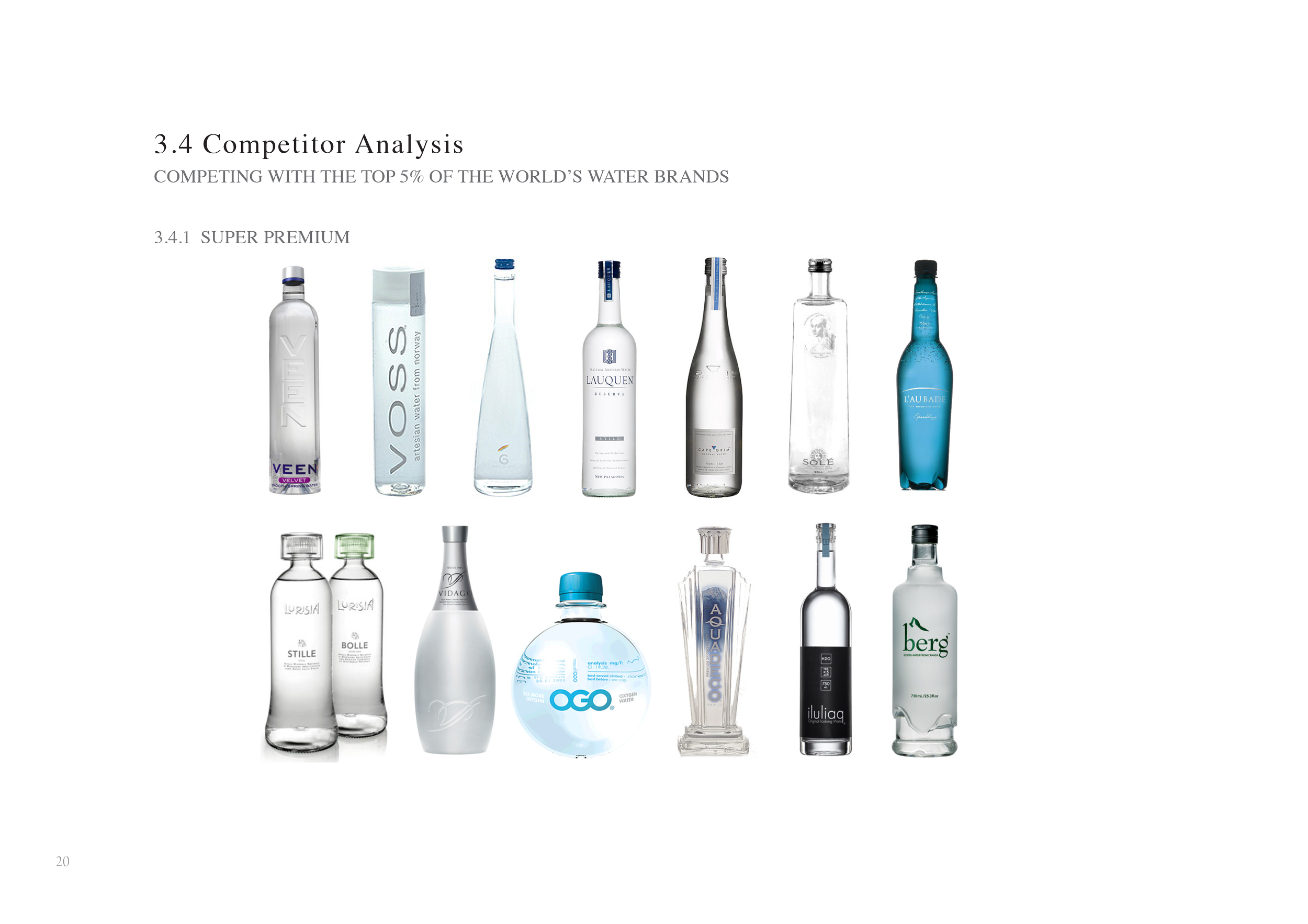
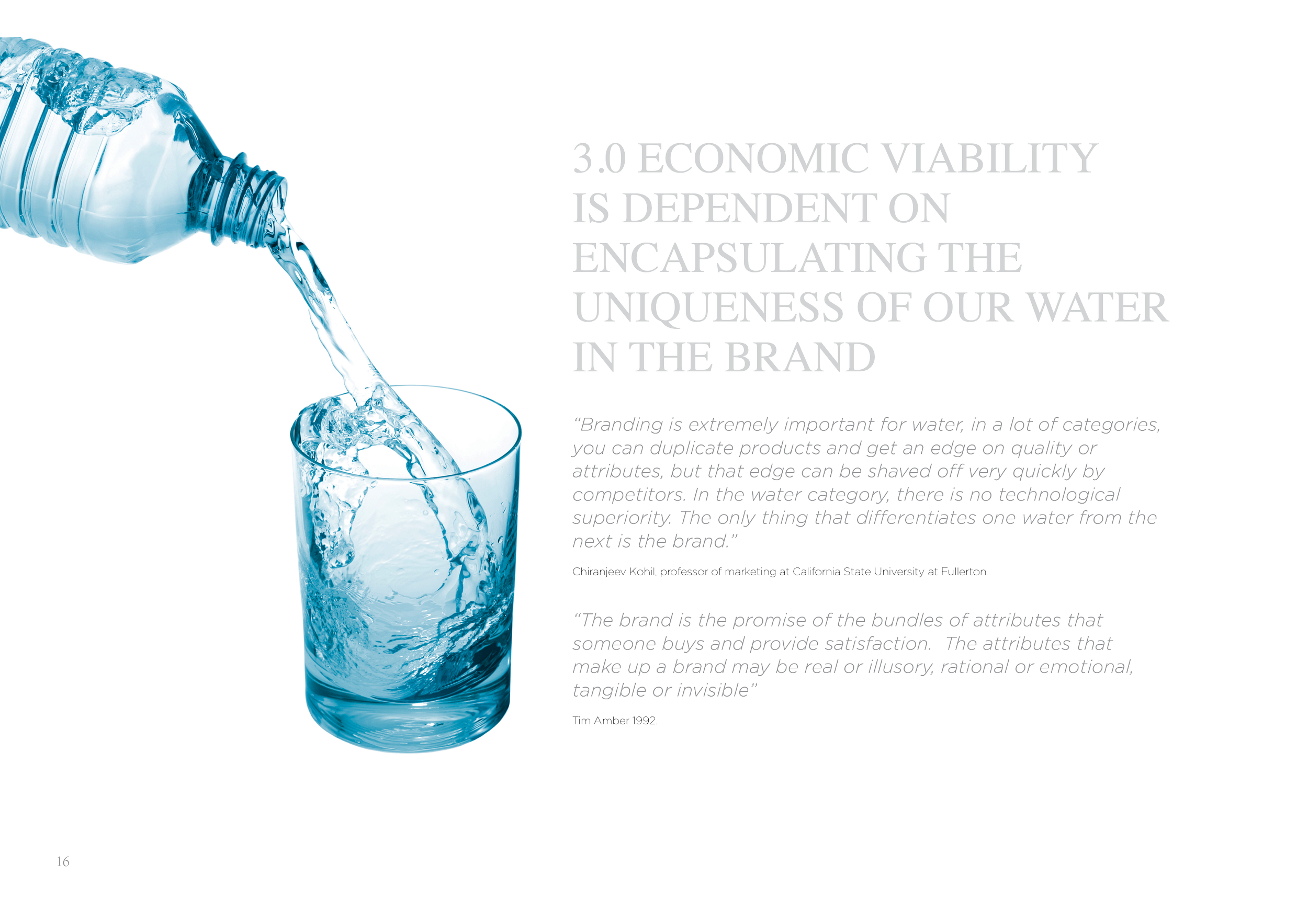
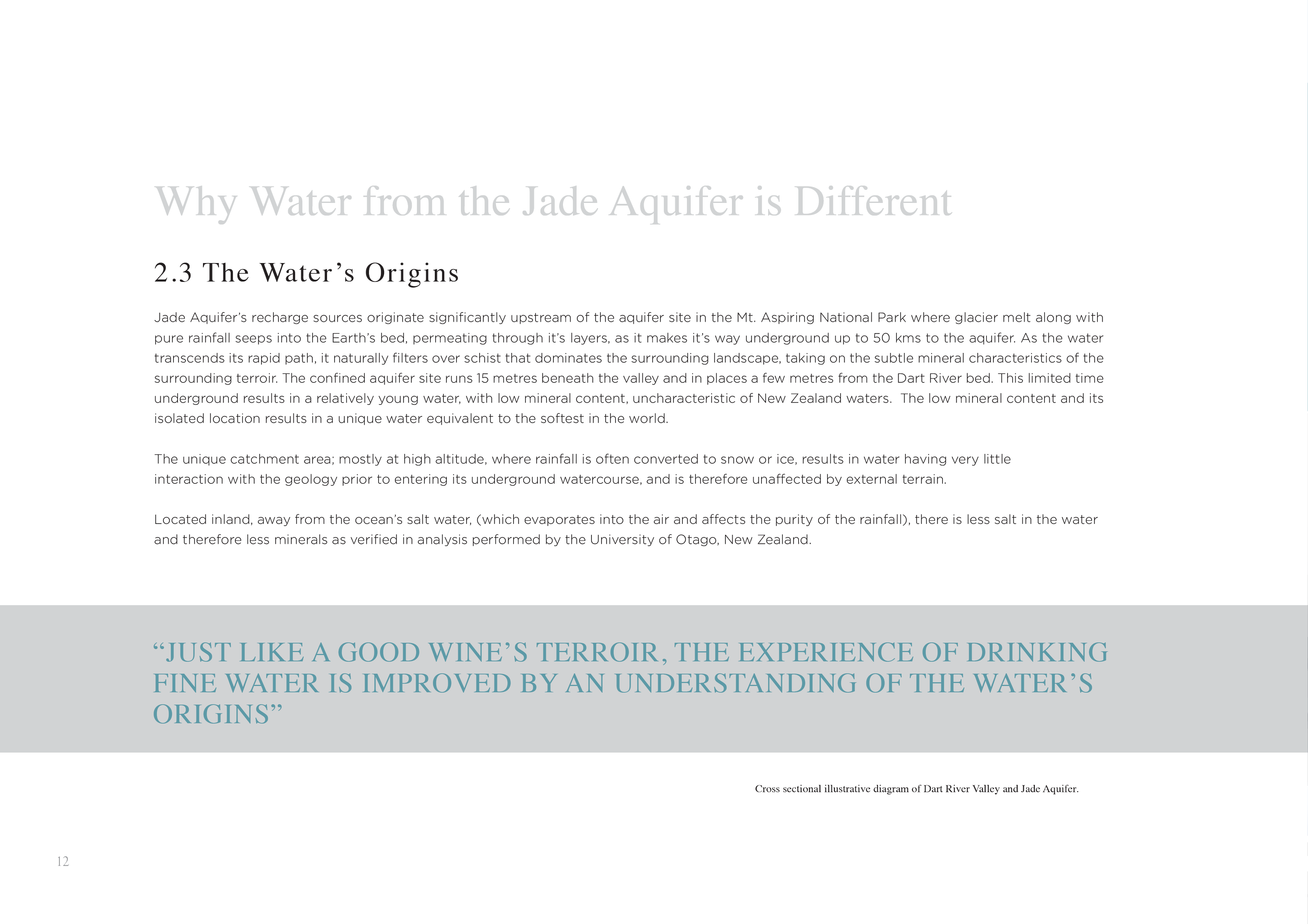
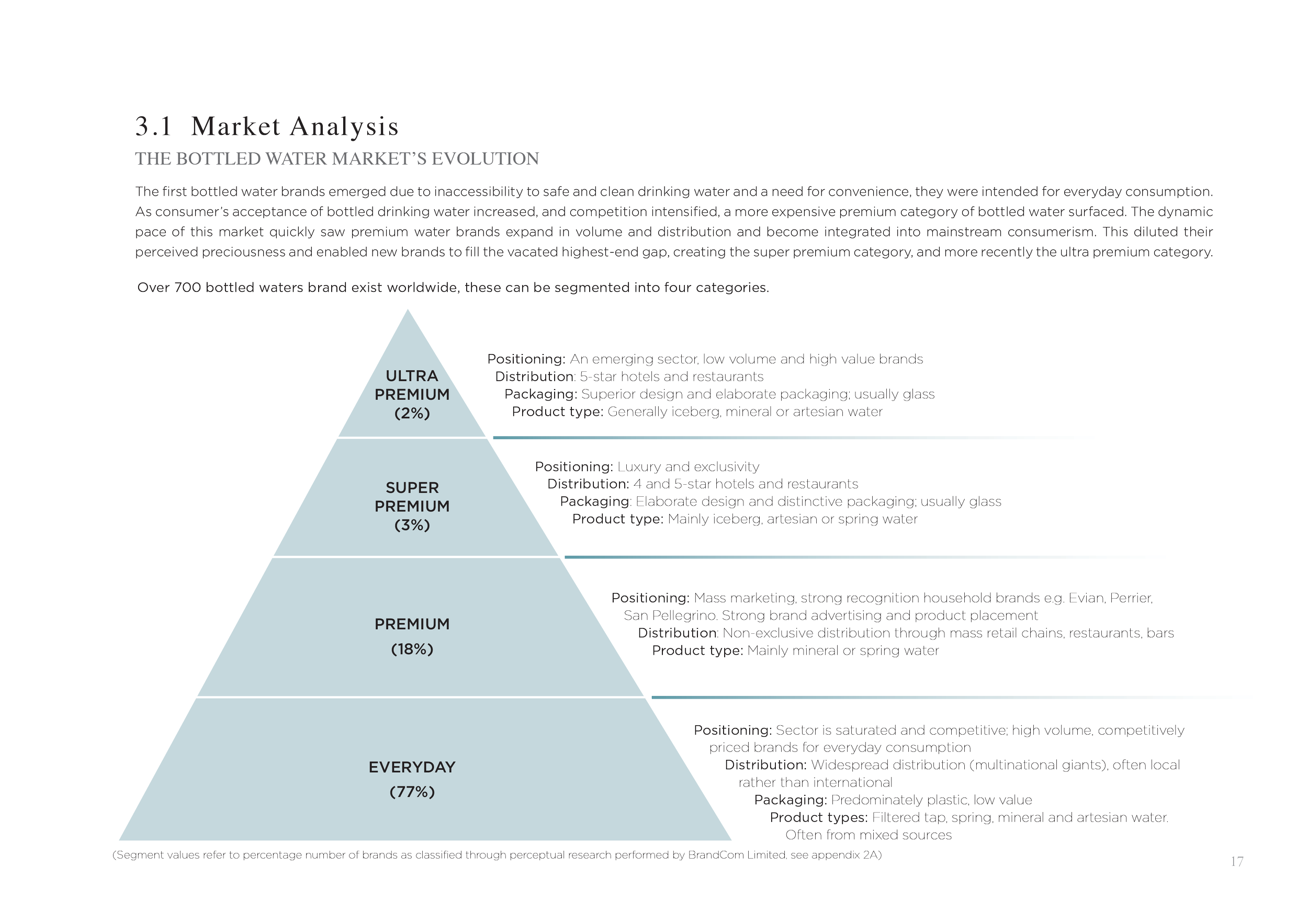
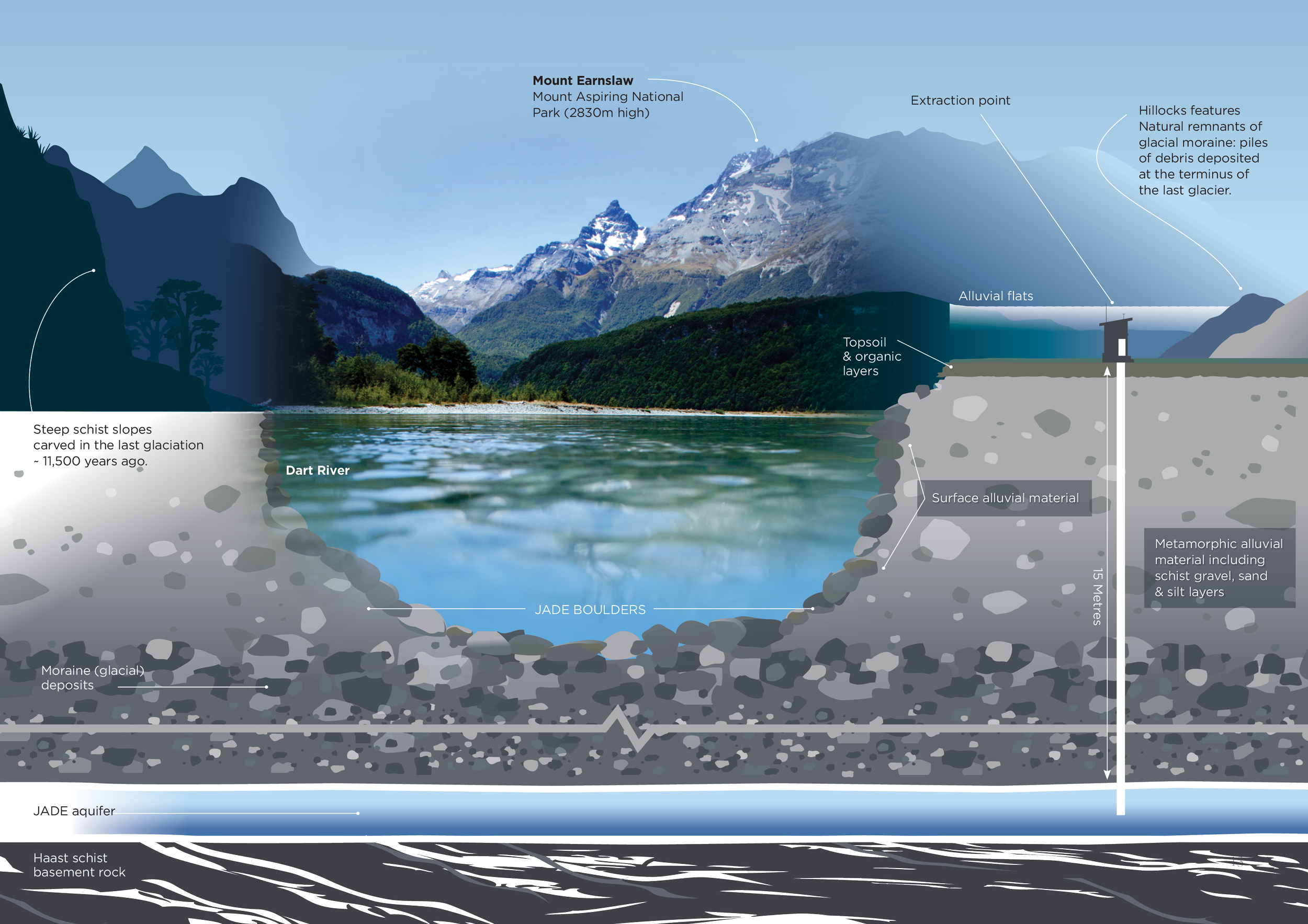
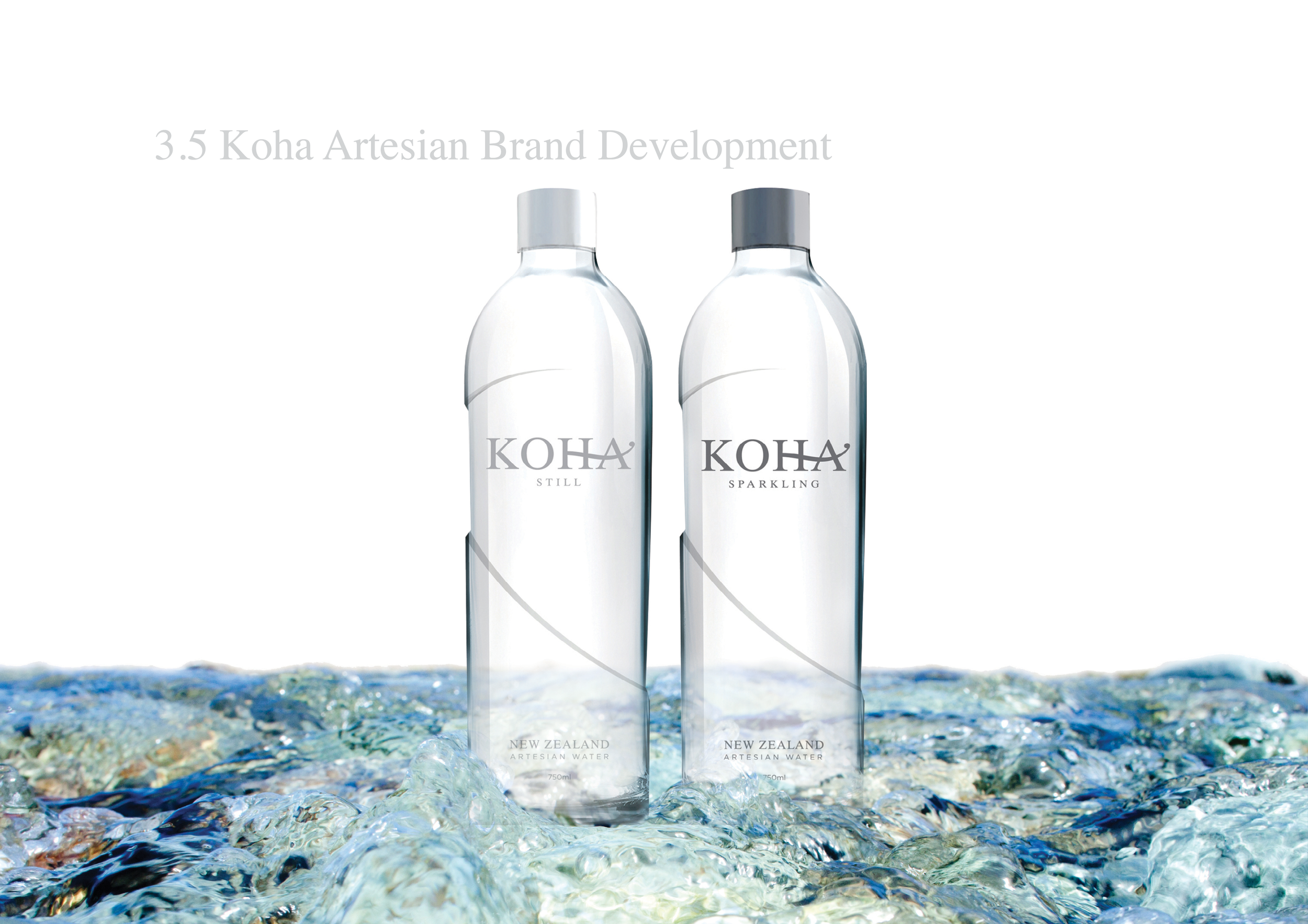
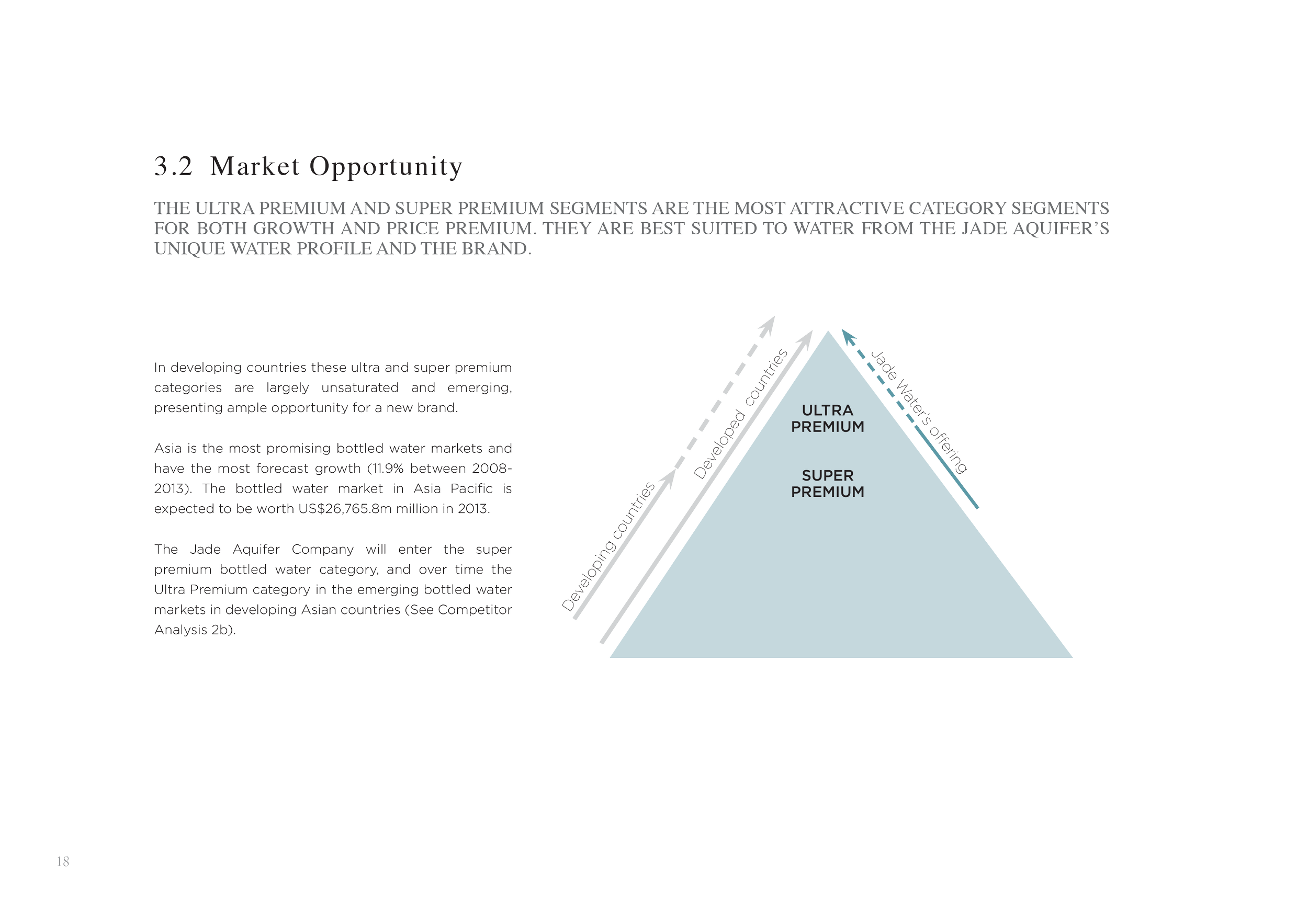
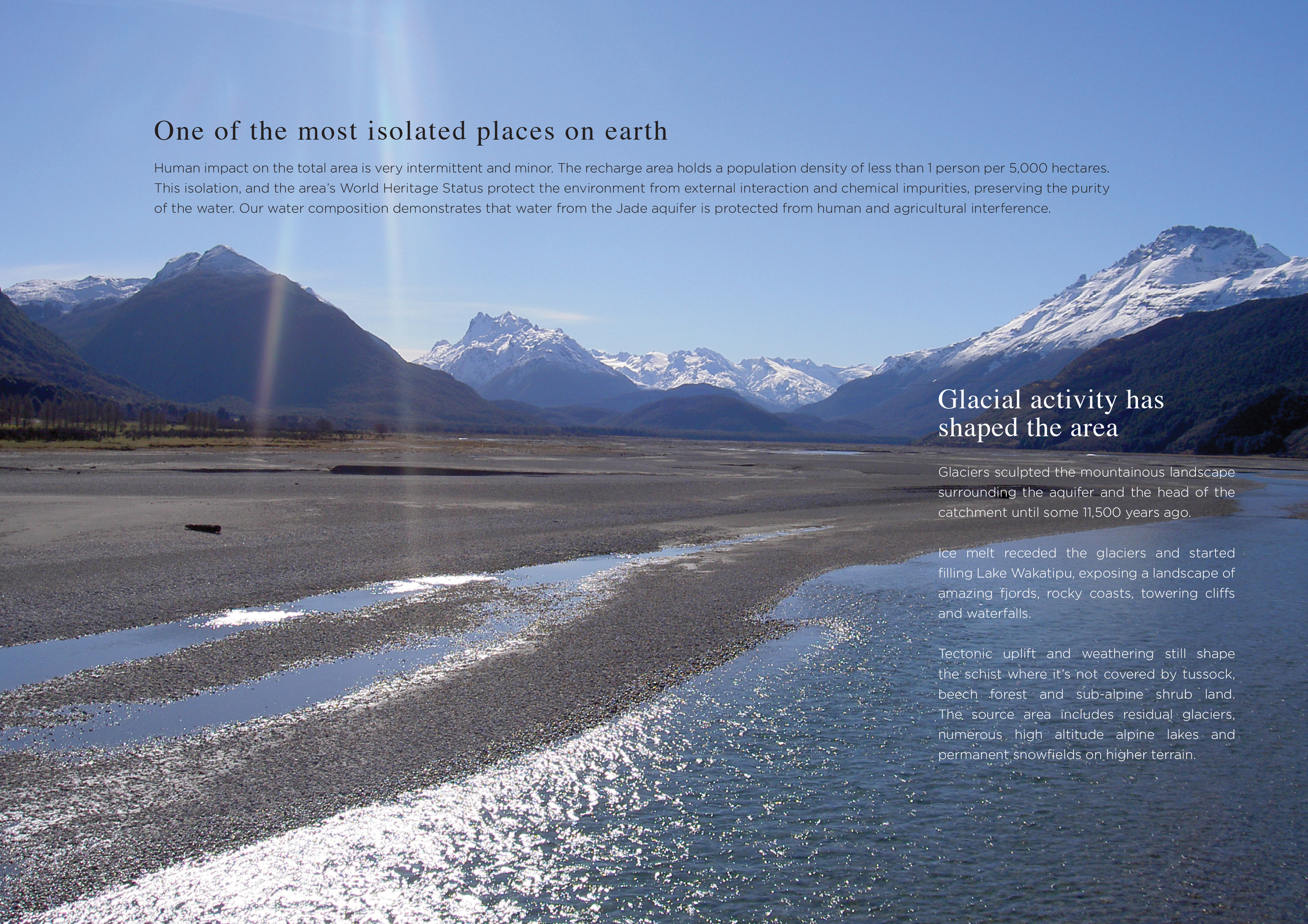
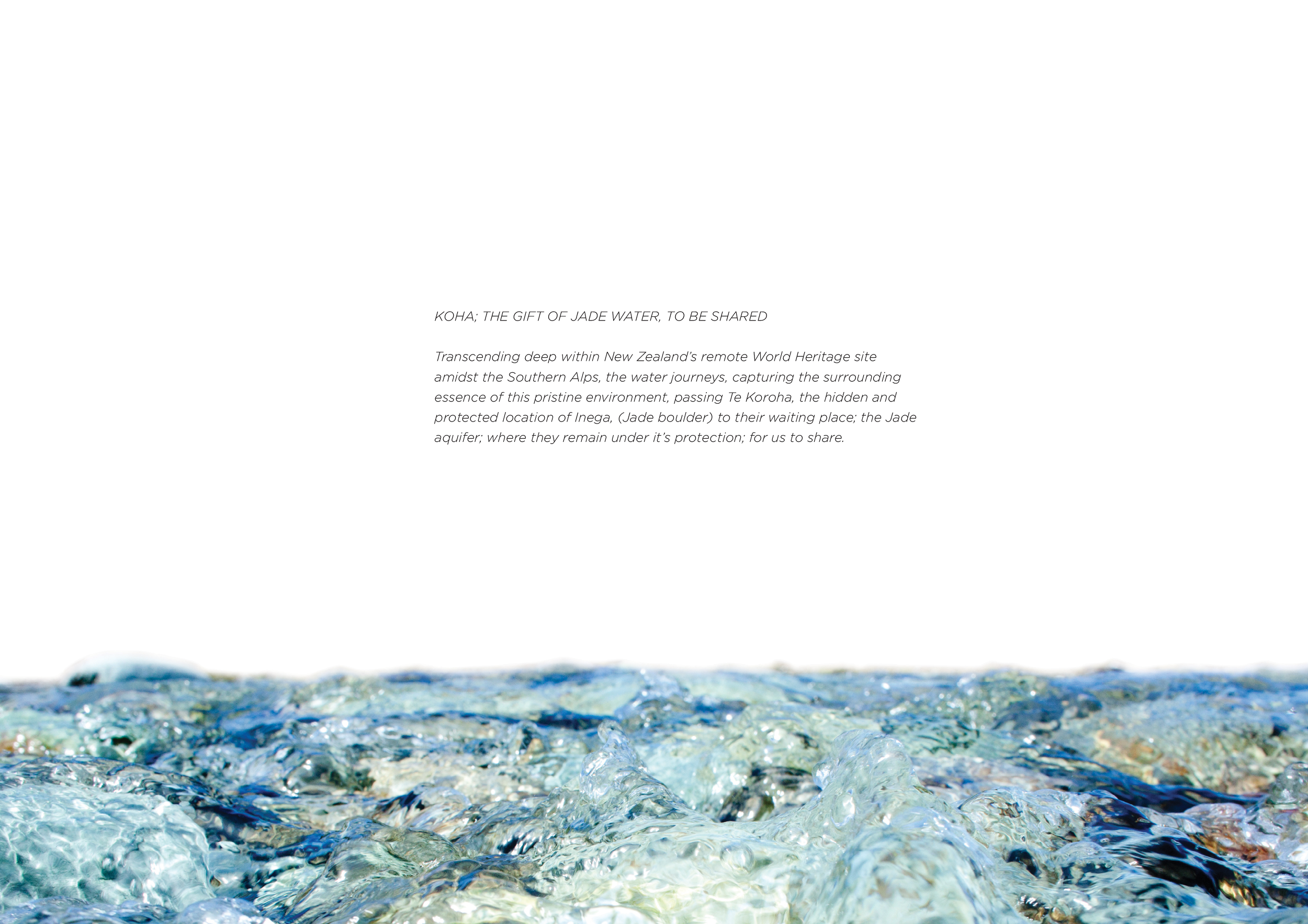
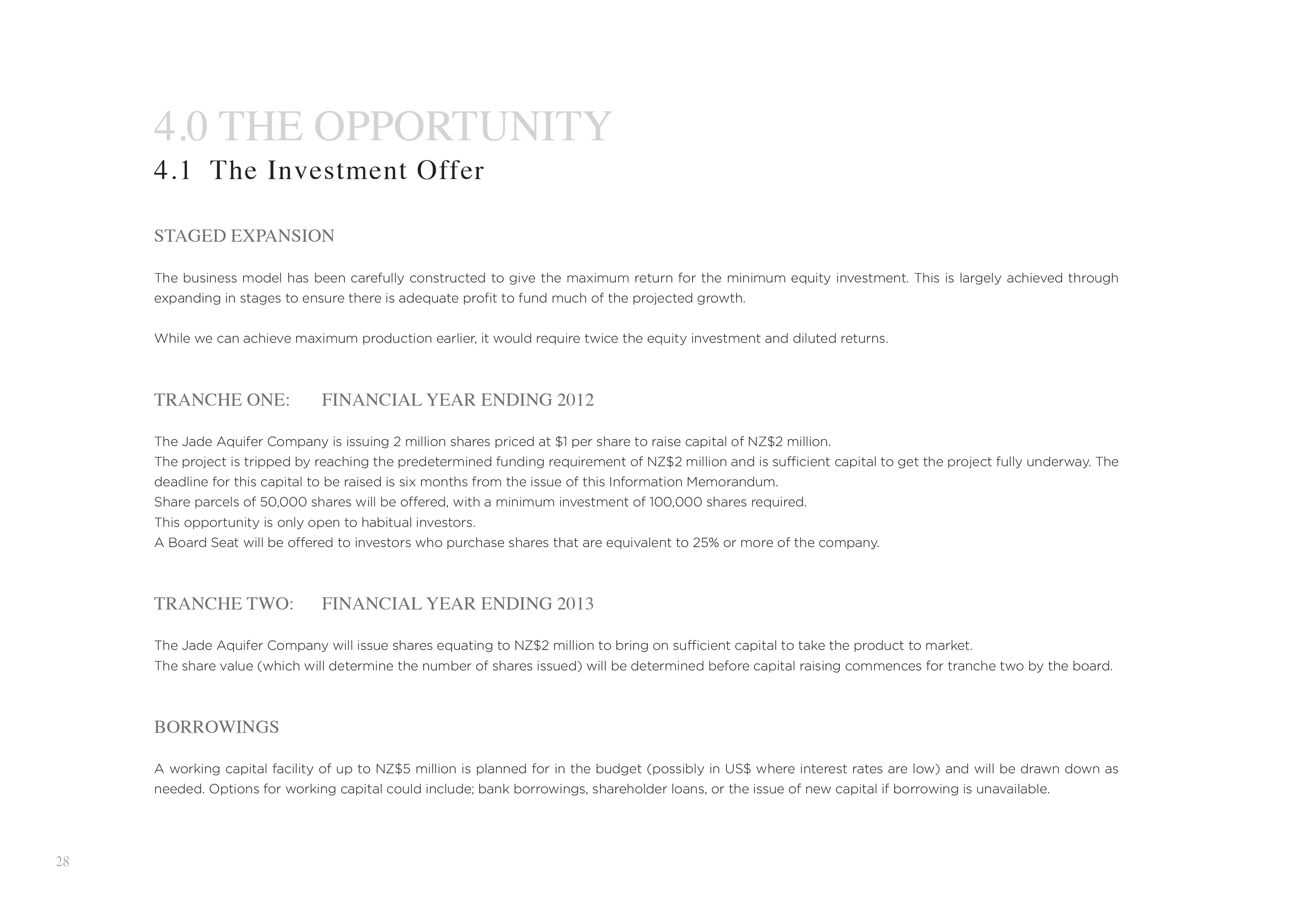
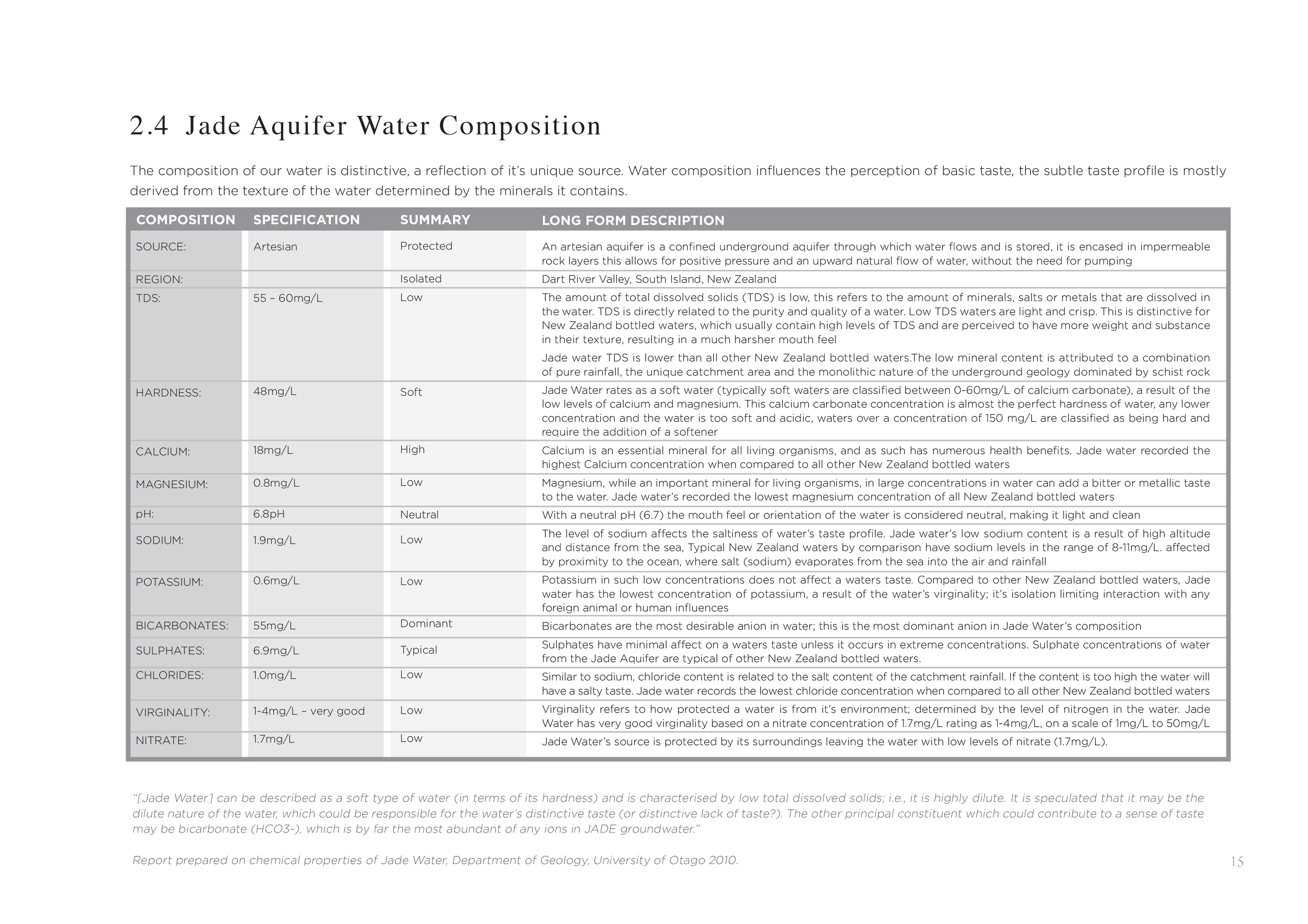
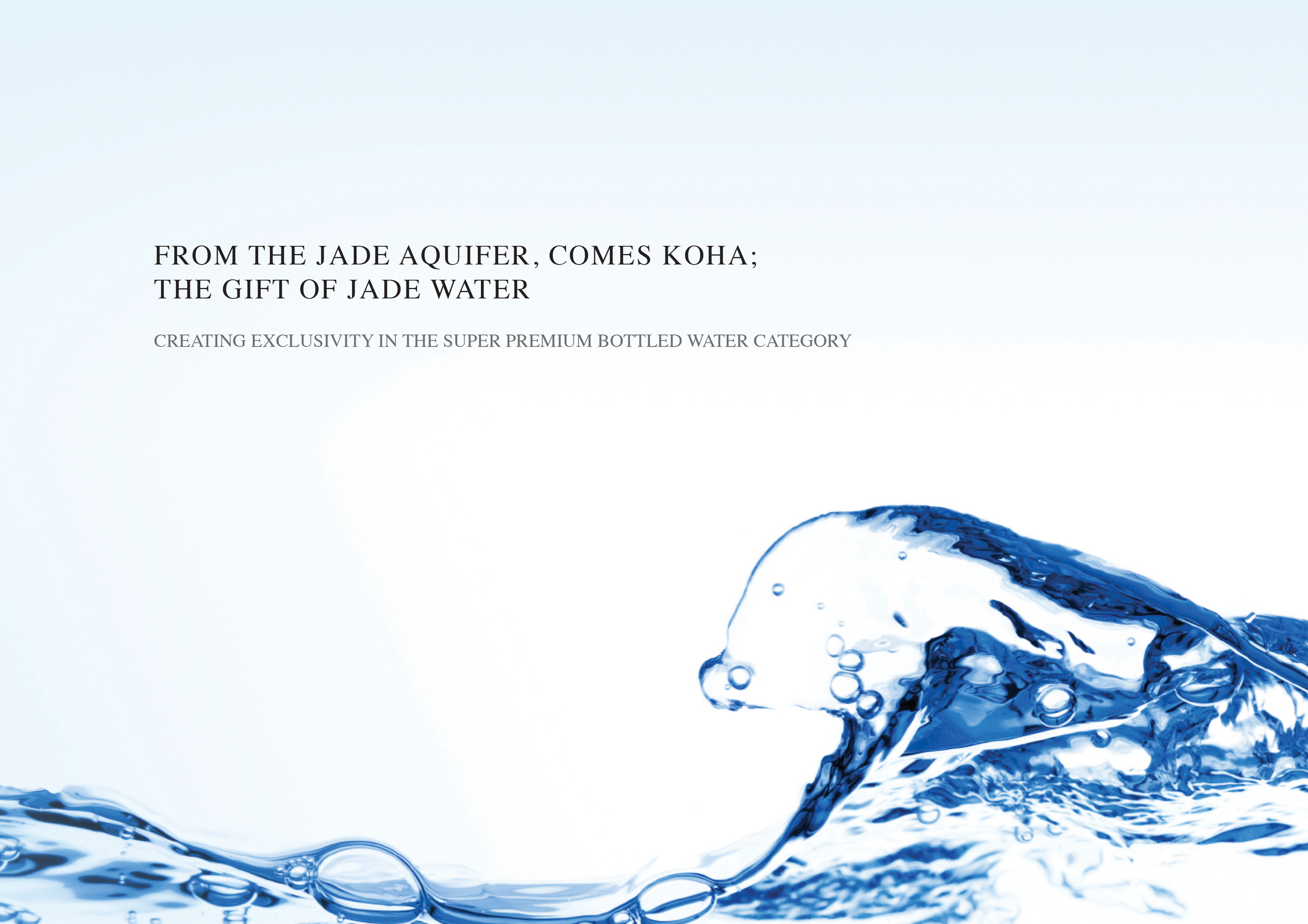
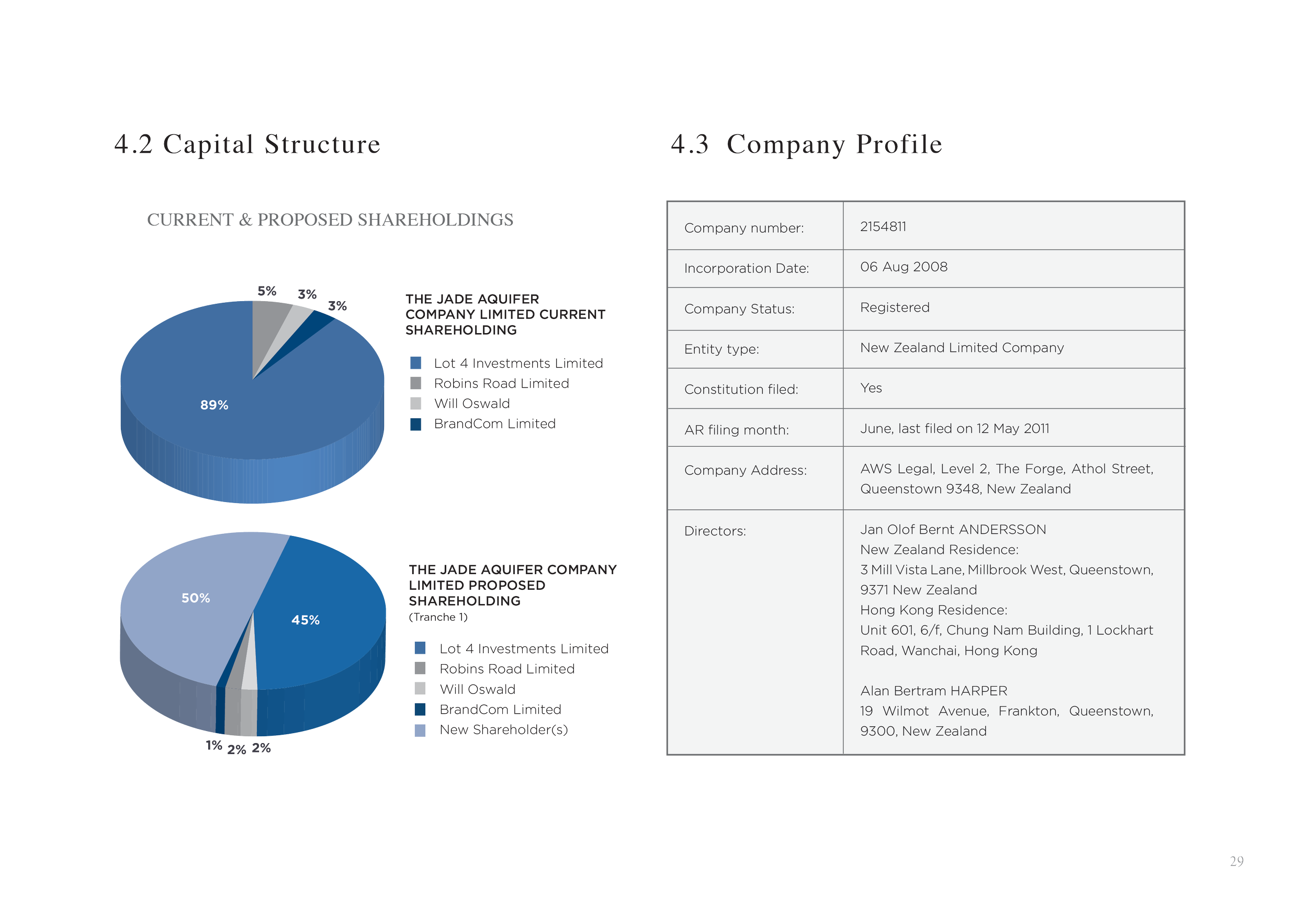
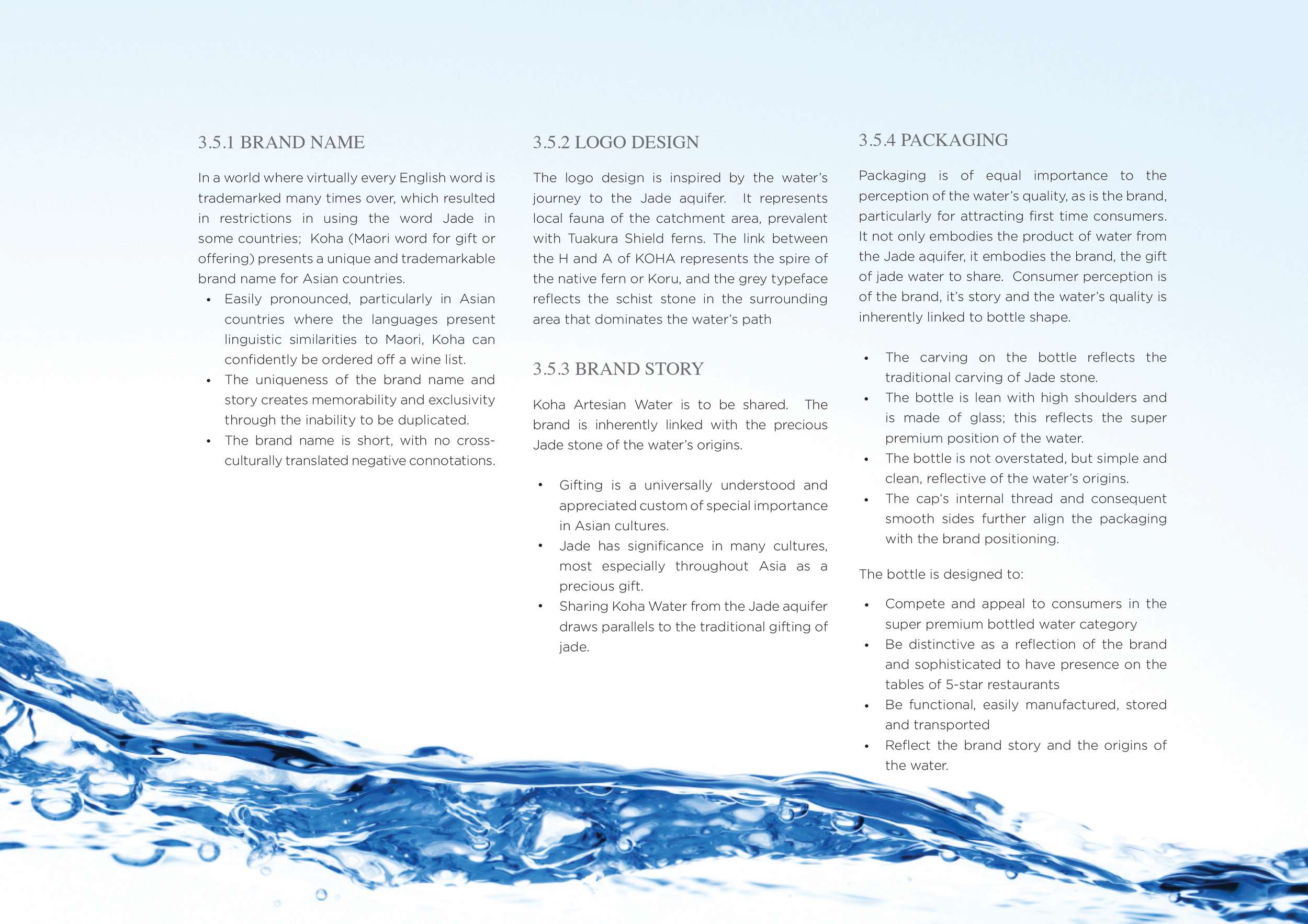
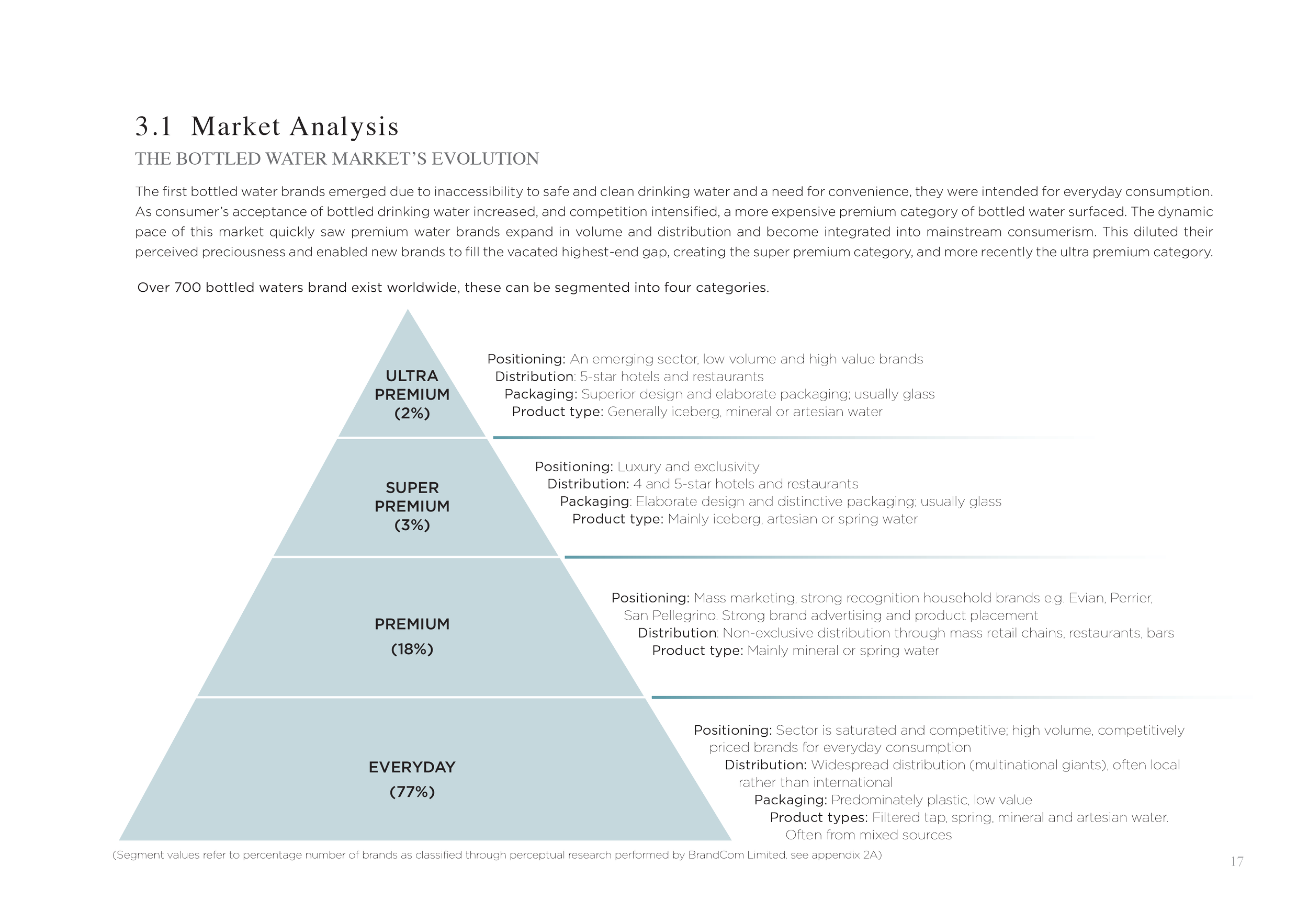
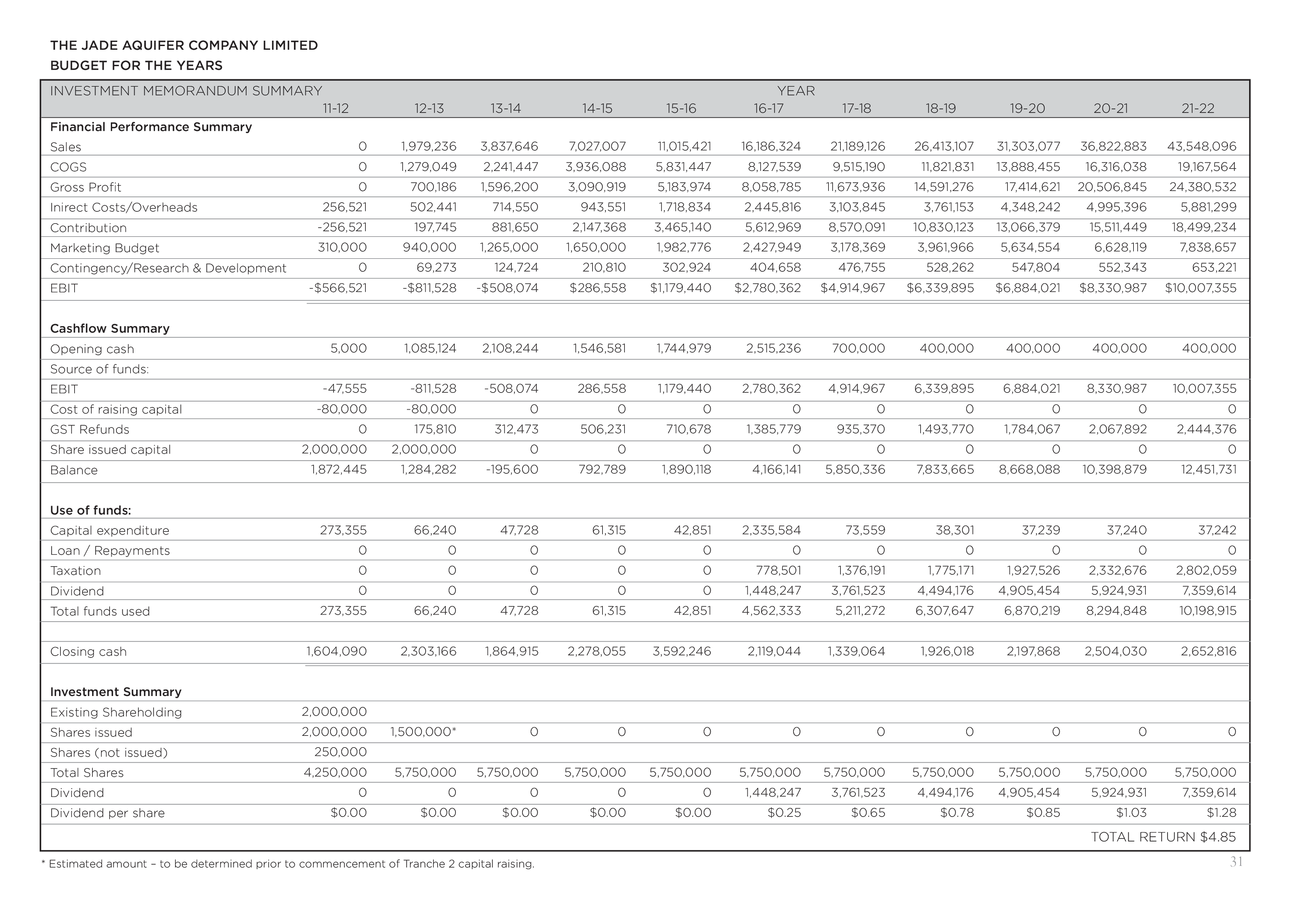
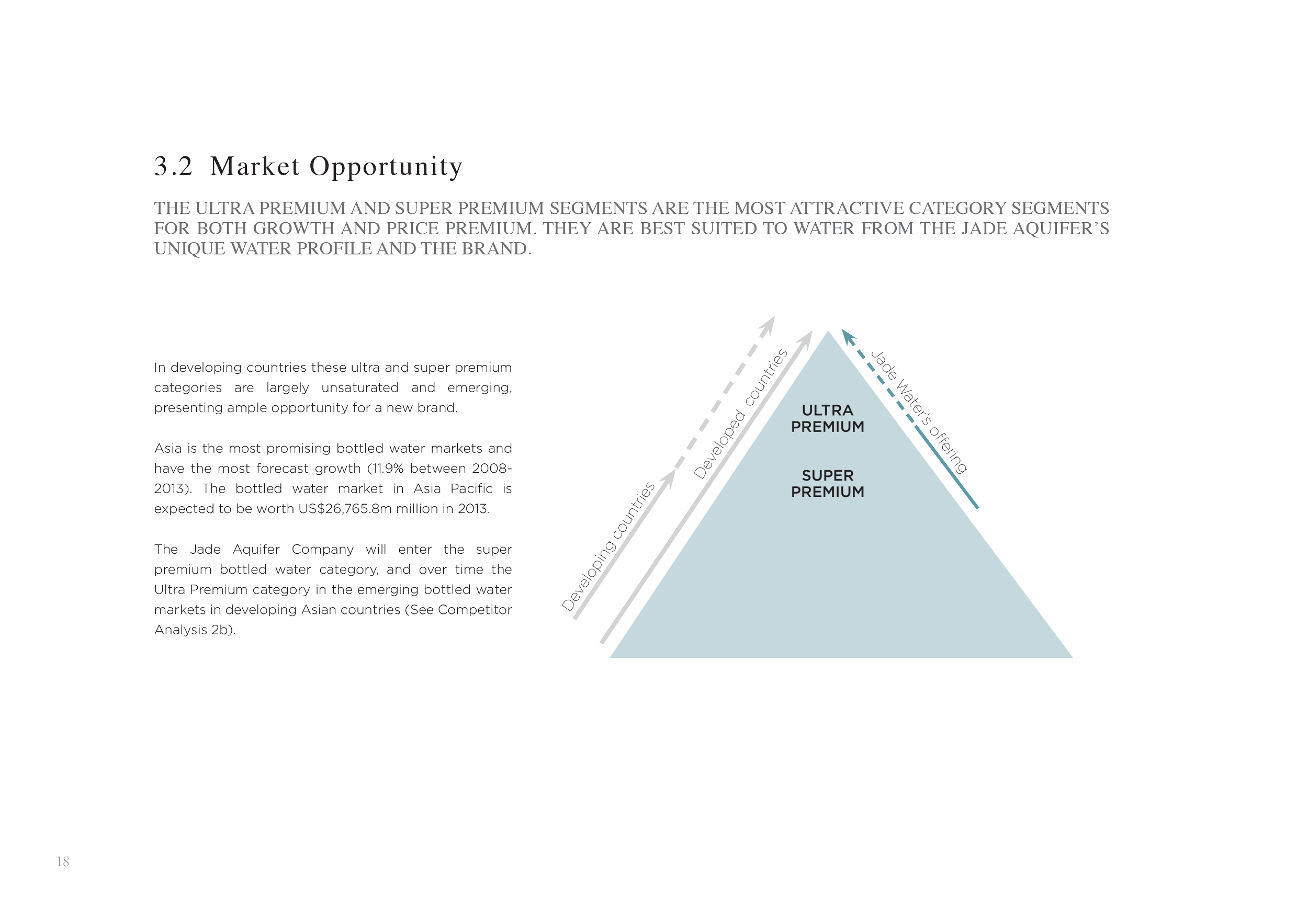
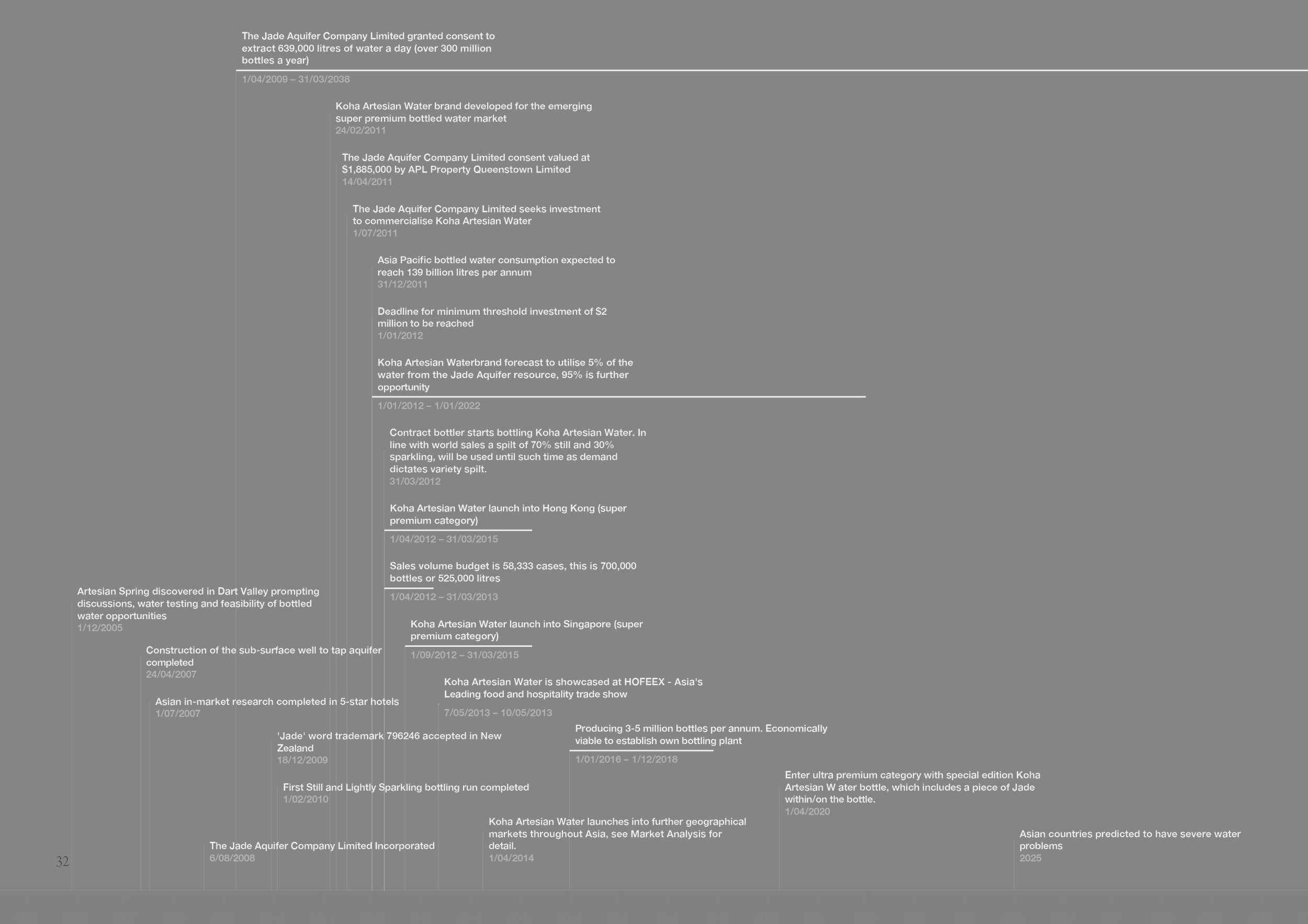
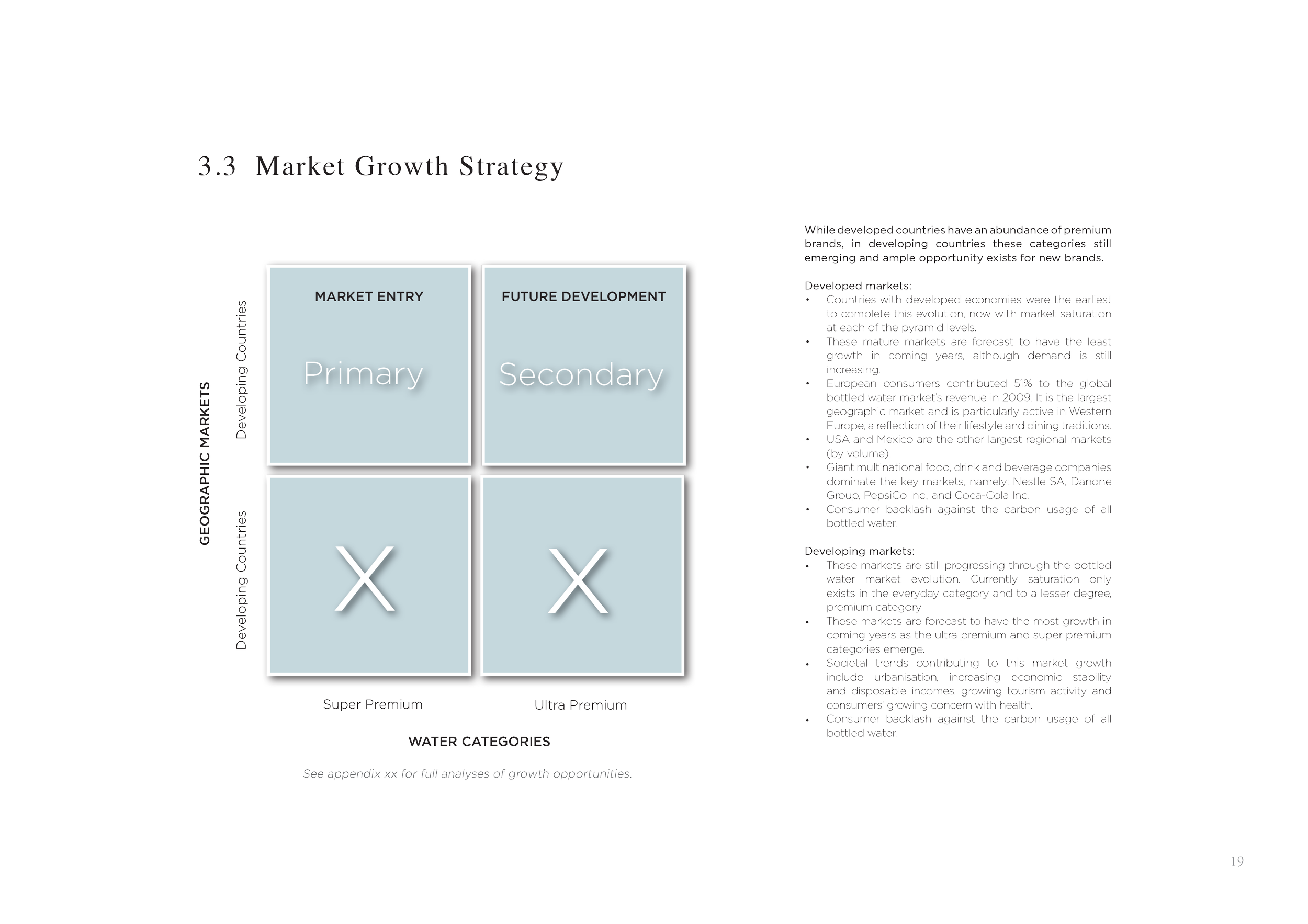
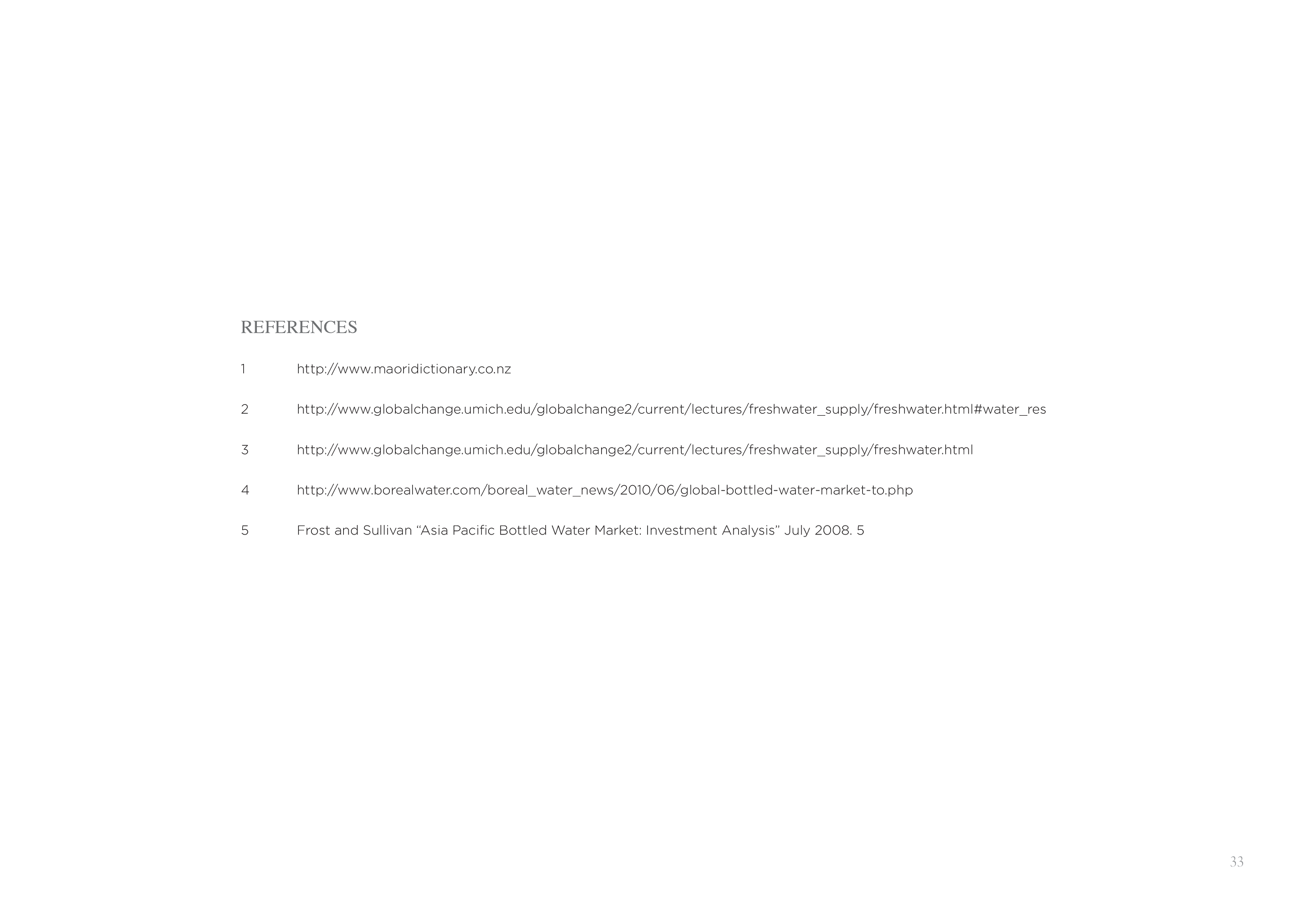
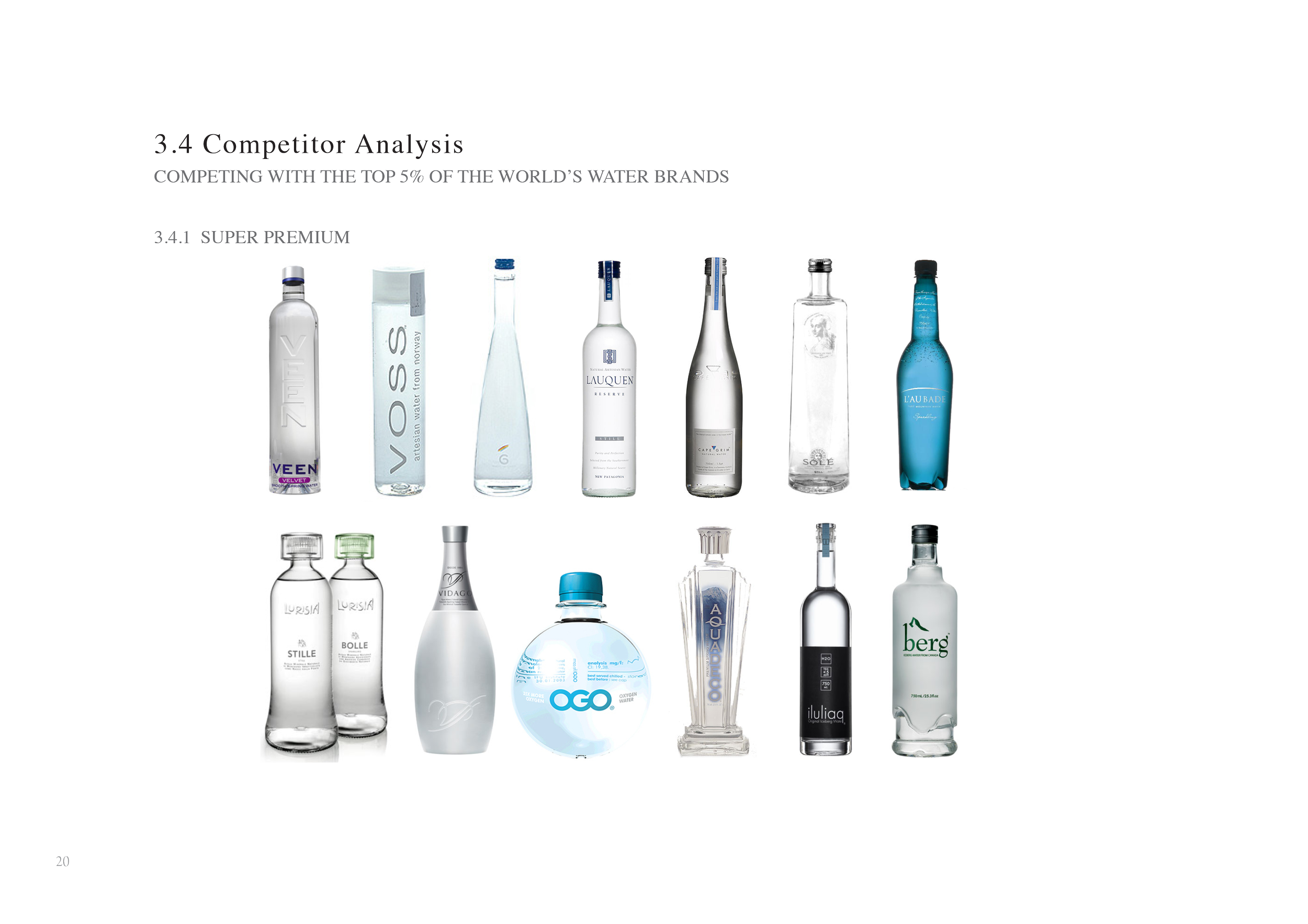
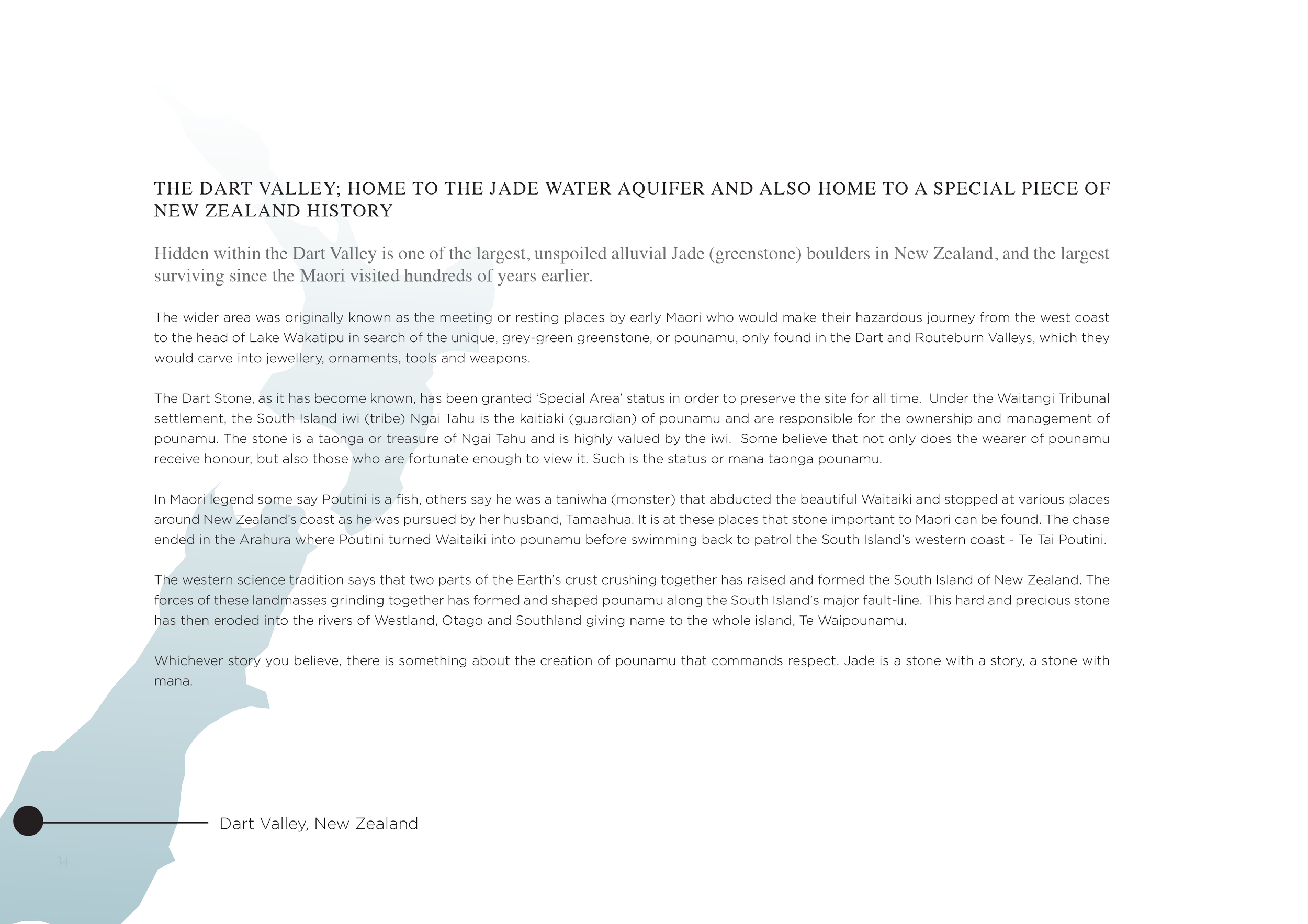
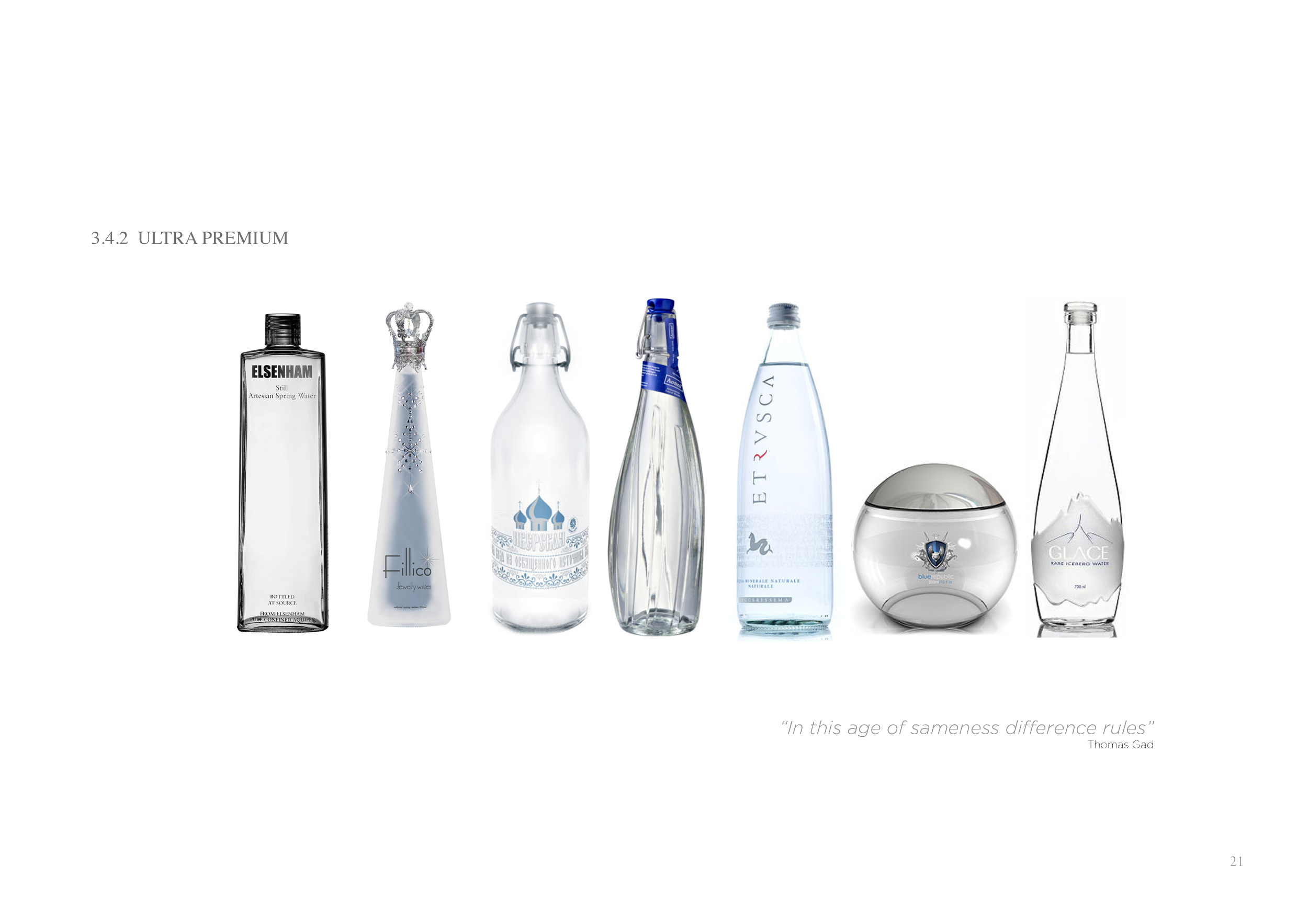
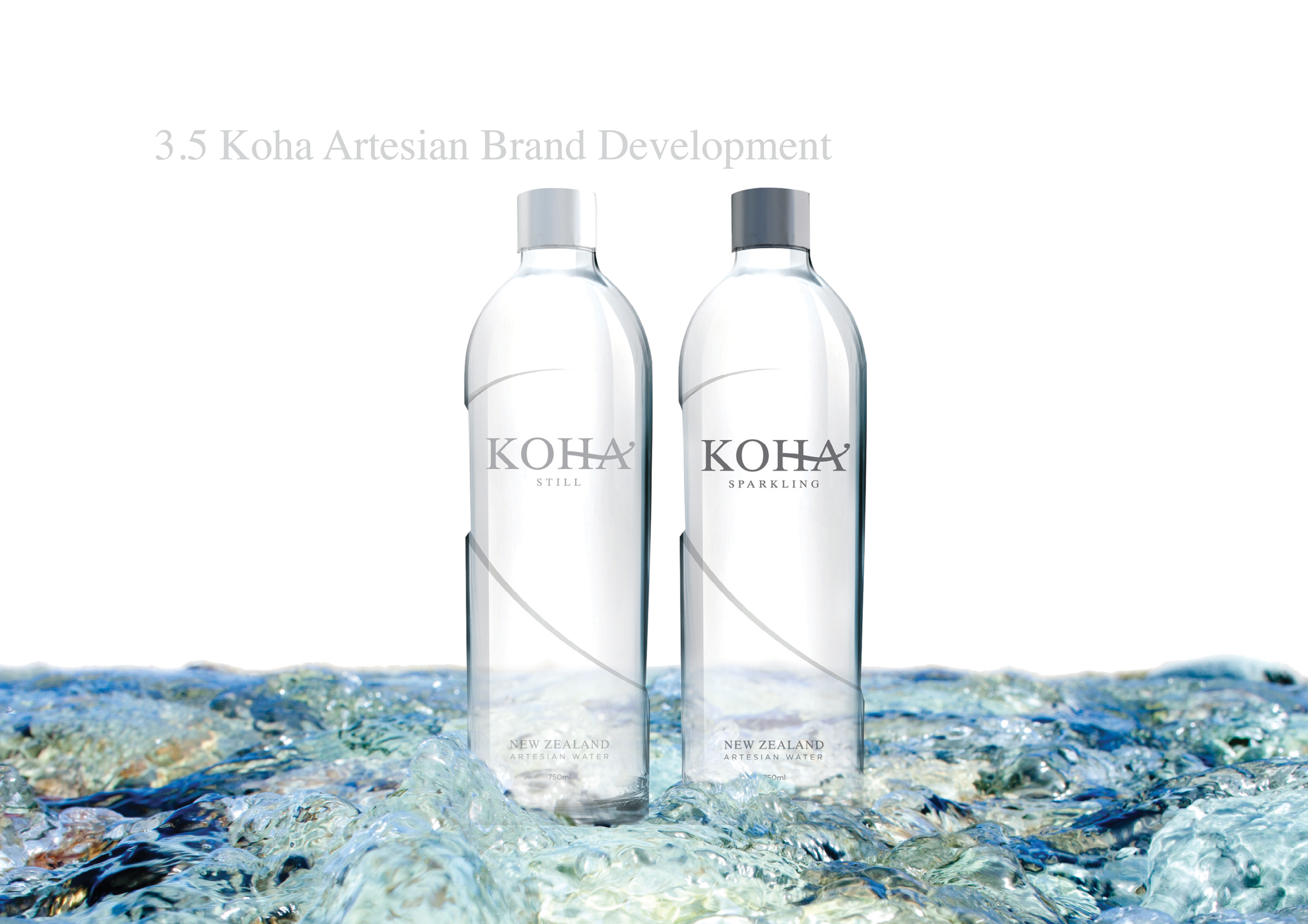
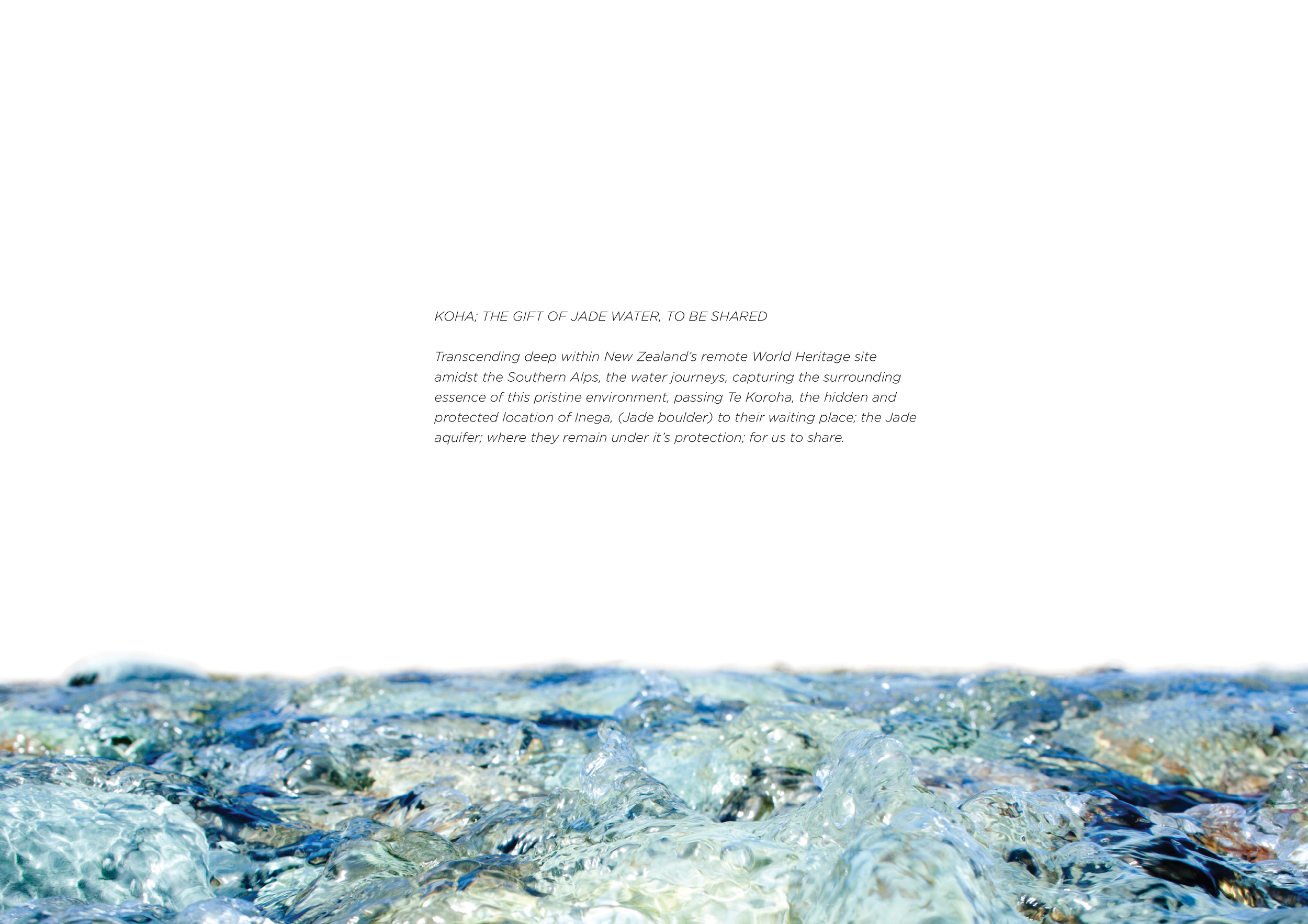
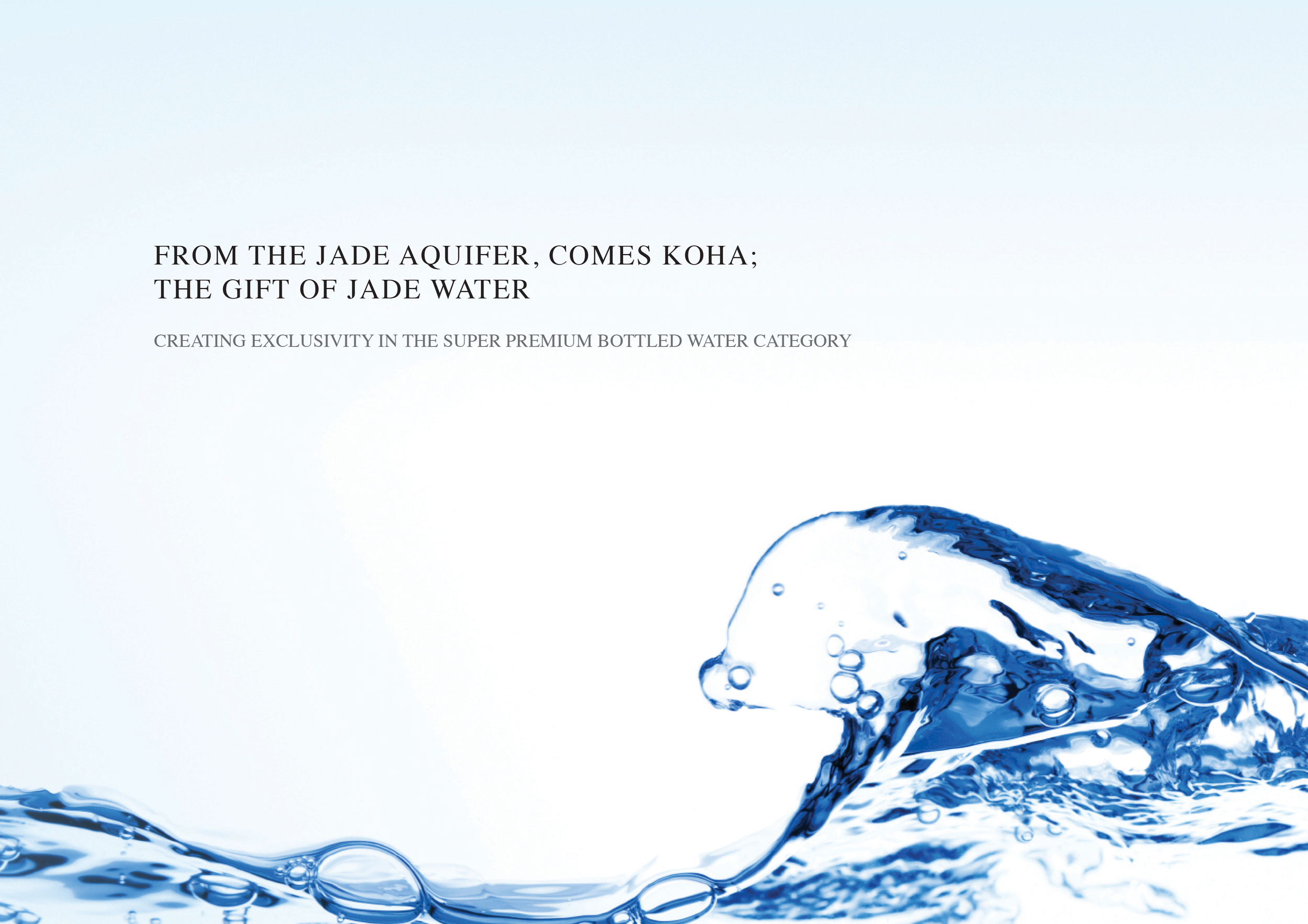
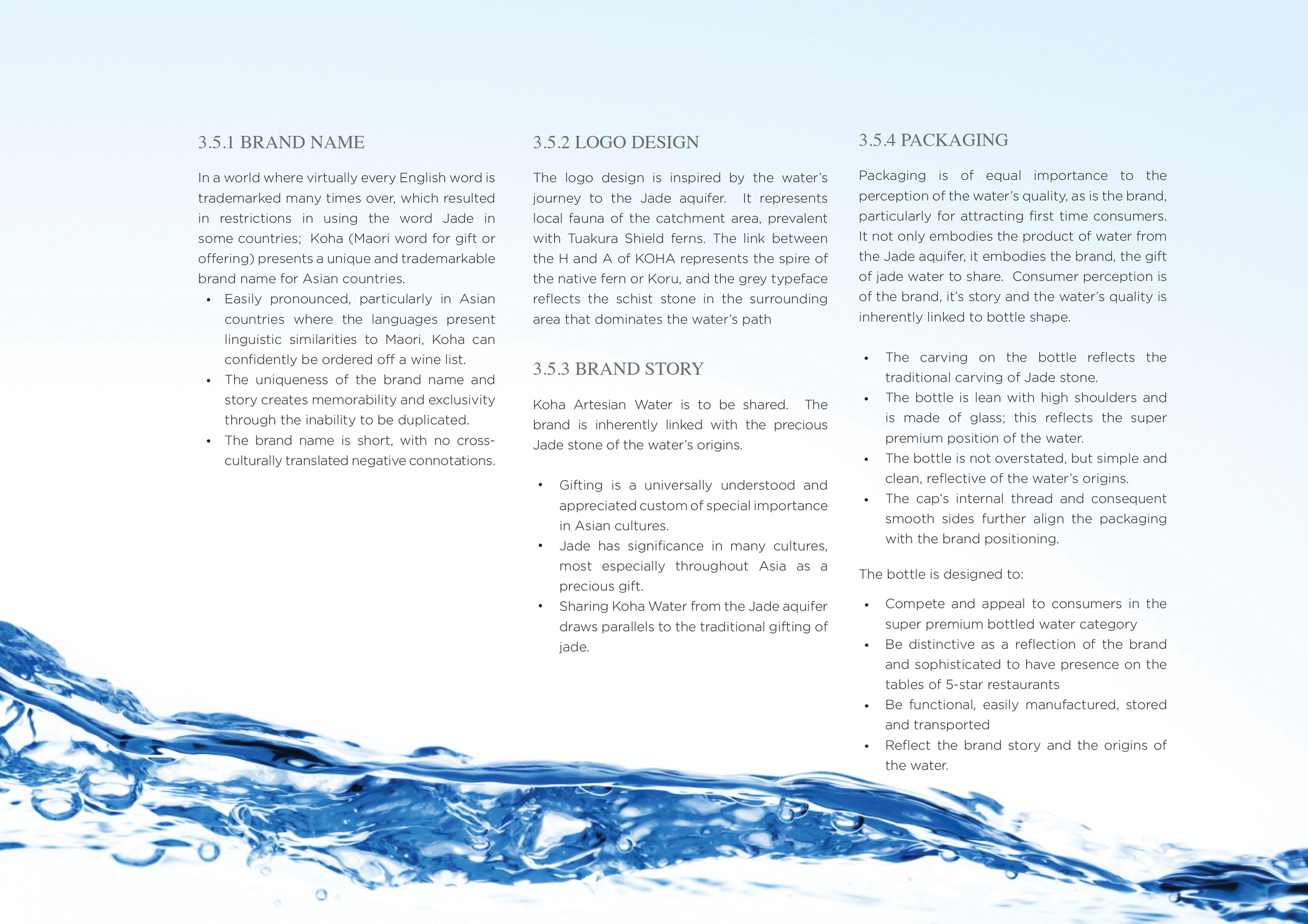
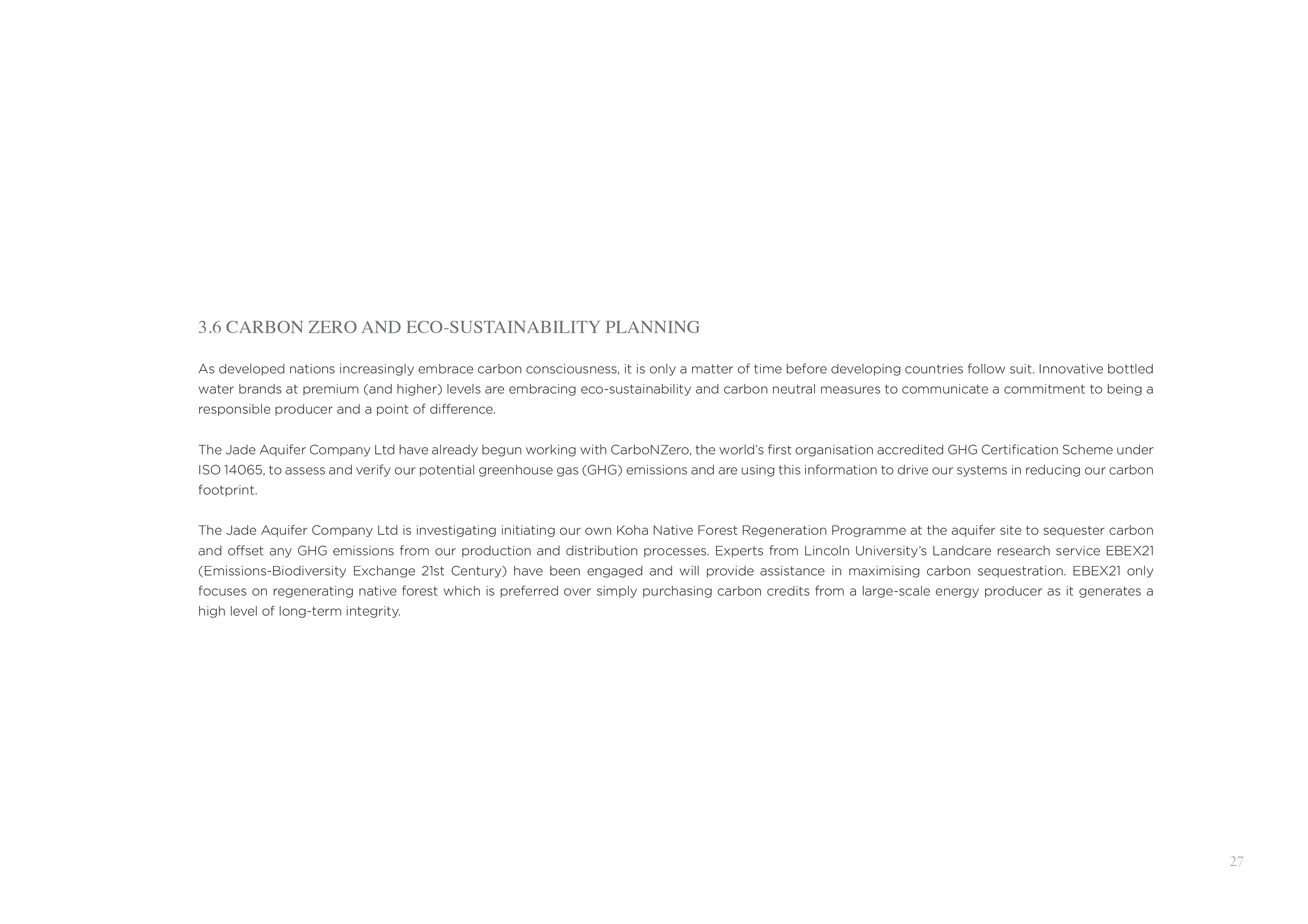
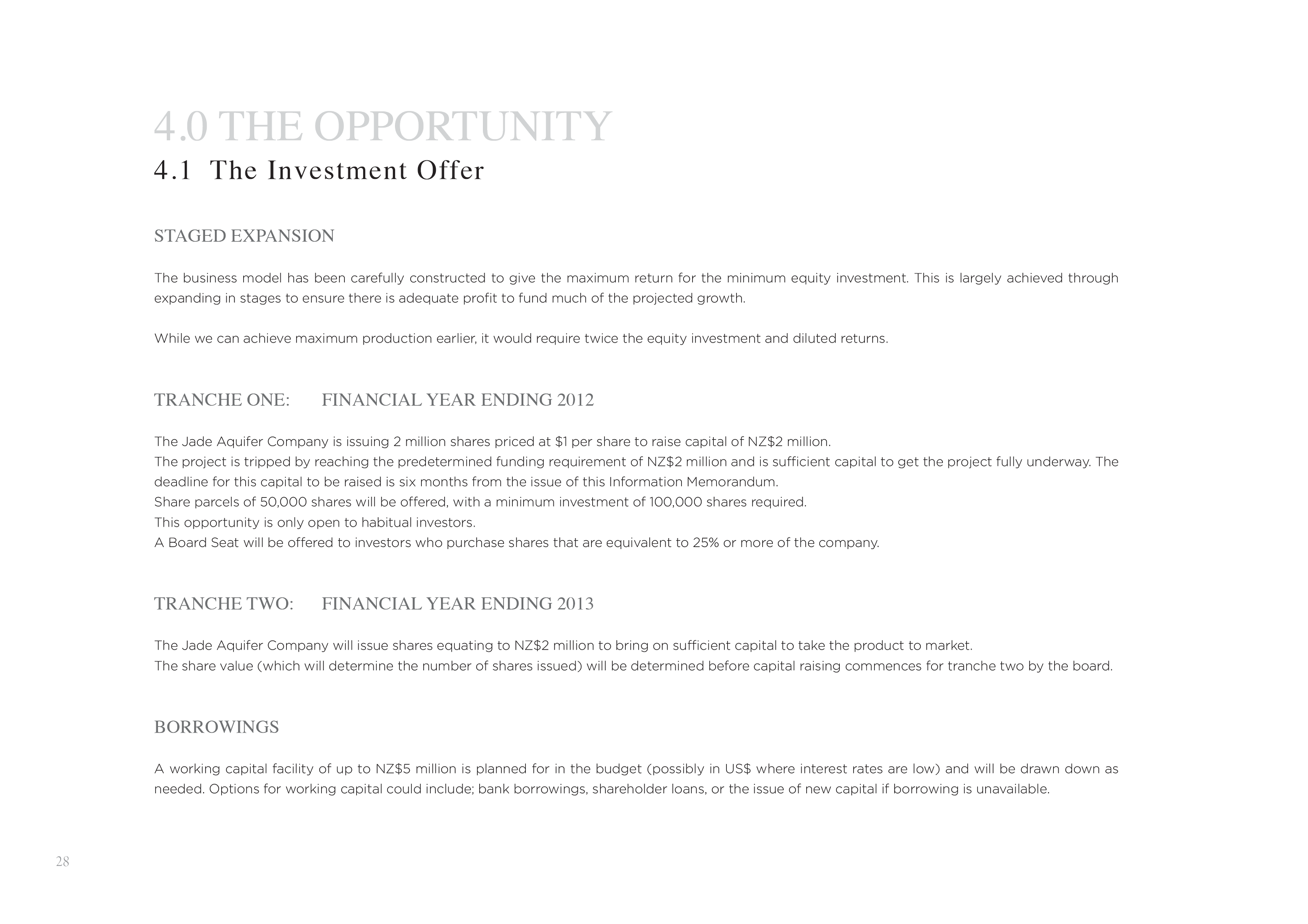
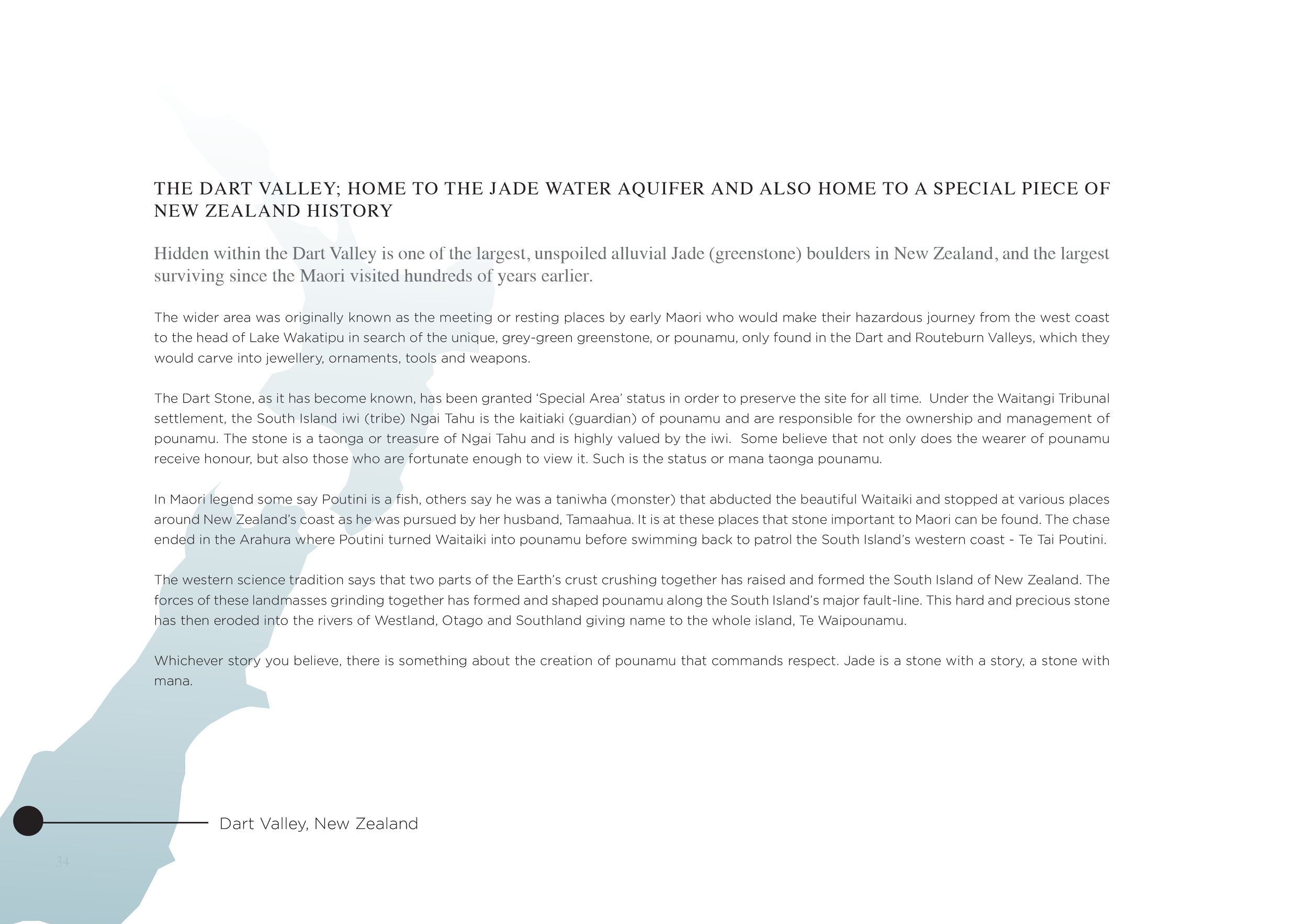
The Jade Aquifer Information Memorandum was developed as a long-form brand story, designed to bring clarity and coherence to a complex opportunity. It brought together place, science, sustainability, scarcity, market positioning, and long-term value into a single narrative that could be understood, remembered, and shared.
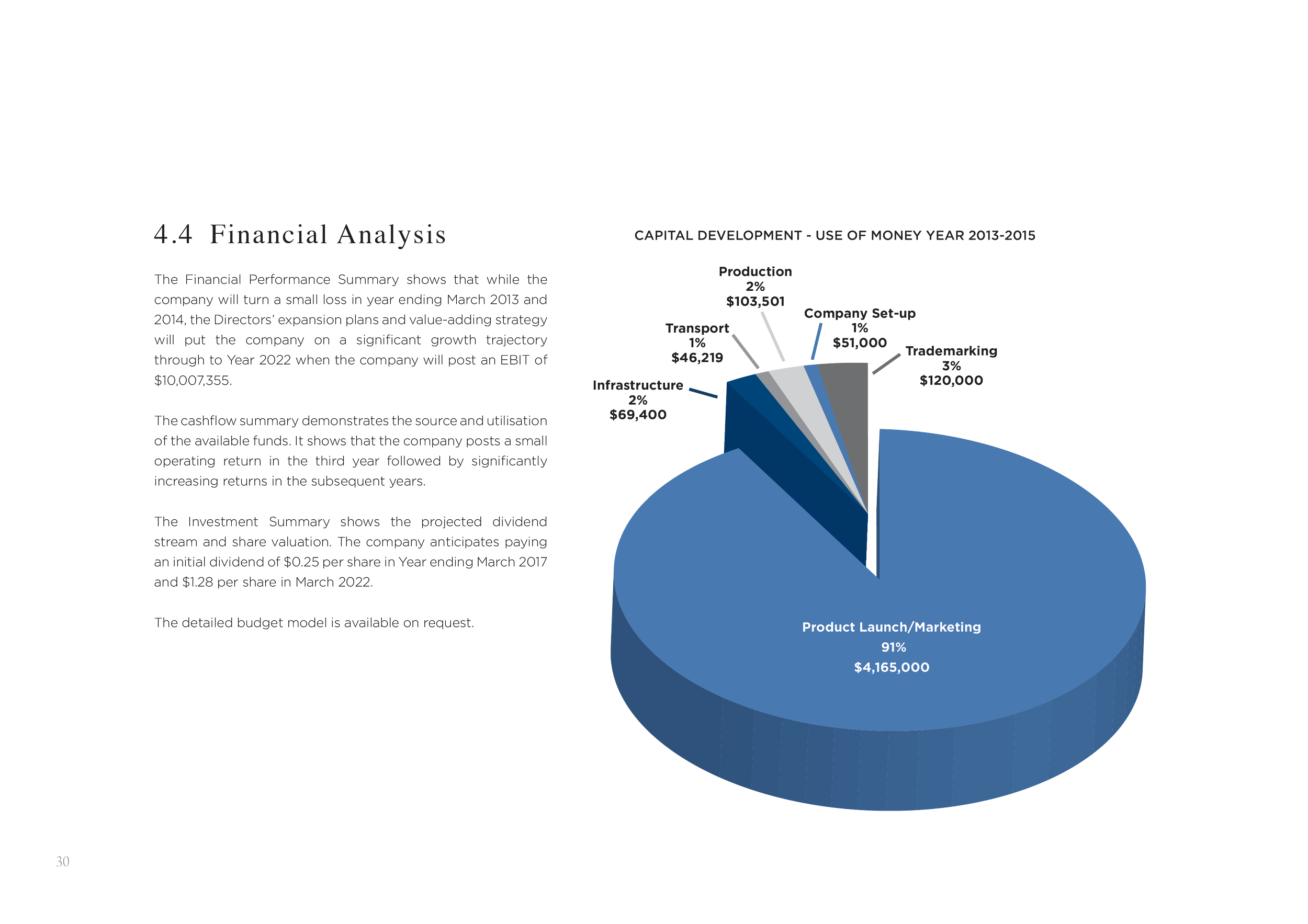
Rather than leading with technical detail or financial modelling, the document focused on shaping meaning first, helping investors and partners understand what the opportunity was, why it mattered, and how it should be valued.
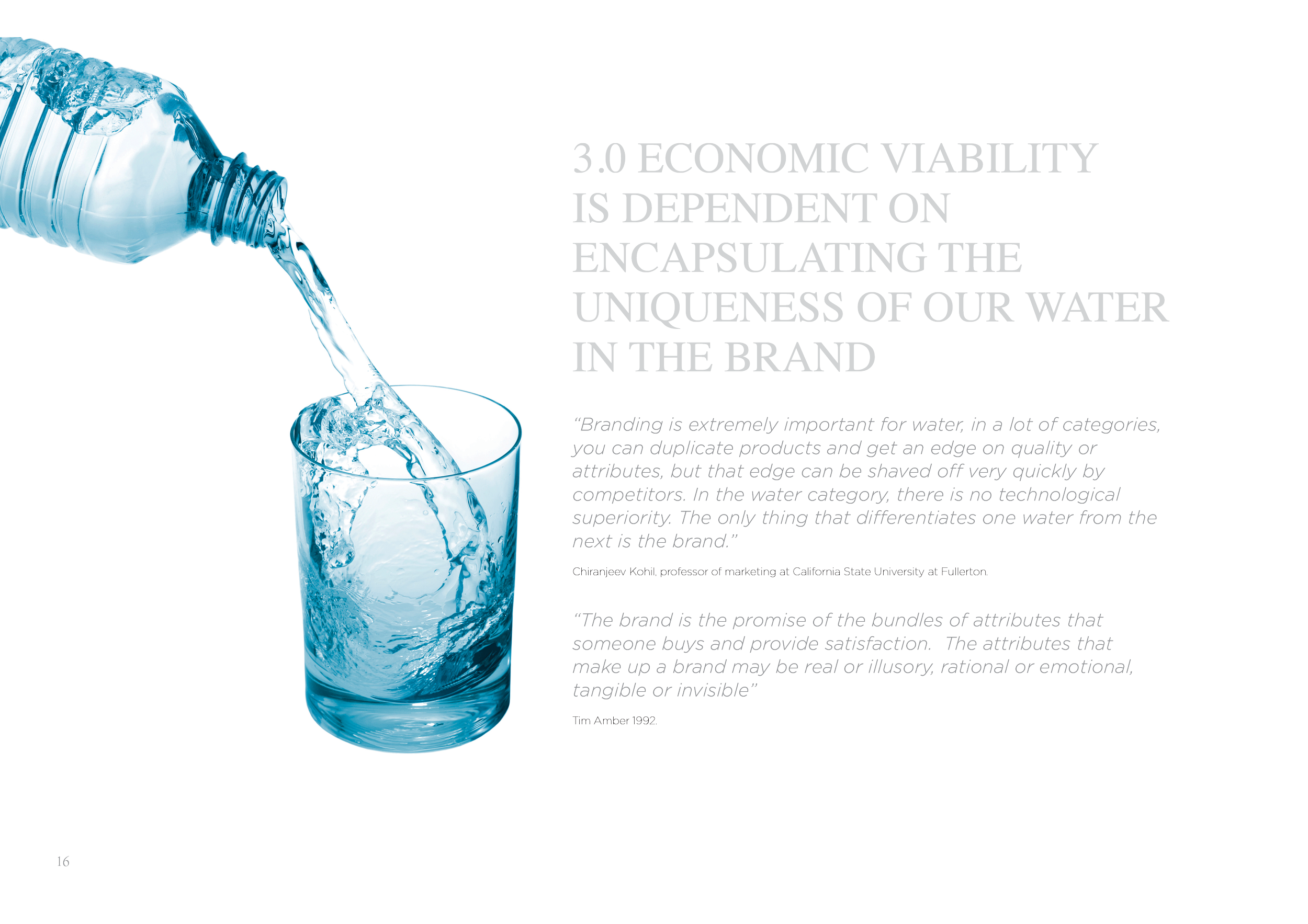
The creative execution played a critical role in this. The document was designed to be visually compelling and carefully paced, using imagery, layout, and restraint to support the story rather than overwhelm it.
This was storytelling designed for capital raising, not promotion








Legacy — Ngarluma Water Desalination Project (2025)
In 2026, the discipline is the same, the conversation can now be direct
This project shows how brand storytelling now unfolds in real time, through conversation.
In this SIM-PAC Live Conversations from the Edge interview, Geoff Matthews speaks with Daniel Lambert AM about the proposed Ngarluma Water Desalination Project — a $7 billion, 150-gigalitre industrial water solution for the Pilbara region of Western Australia.
Rather than being captured in a document or brochure, the brand story here emerges through dialogue. The conversation moves fluidly between scale and detail — from water scarcity and industrial demand, to First Nations engagement, environmental responsibility, funding structures, and long-term economic impact. Strategy, story, and commercial logic are revealed as the discussion unfolds.
This format reflects a shift in how complex projects are now understood. Storytelling is no longer static or linear.
It is conversational, transparent, and public — allowing people to hear how ideas are formed, tested, and explained by those closest to the work.
The interview demonstrates how brand storytelling continues to act as an organising structure — not just for how a project is communicated, but for how it is framed, funded, and taken forward. In this case, the story carries the full weight of the business strategy: a privately funded, renewable-powered desalination model with global relevance for water-stressed industrial regions.
This example shows how BrandCom’s approach to storytelling has evolved with the medium — from information memoranda and print, to live interviews and owned platforms — while remaining grounded in the same core discipline: translating complexity into clarity, and strategy into something people can understand, trust, and act on.